
Preserving the history of the British Enfield No. 4: Maintenance tips for collectors
The British Enfield No. 4 rifle, particularly in its variants like the No. 4 Mk I and the No. 4 Mk II, has a significant place in military history. This rifle was designed to be robust, accurate, and reliable. It served extensively during World War II and into the post-war years, with many examples still in circulation today. For collectors, preserving the integrity and historical value of these rifles is paramount. This article provides insights into maintenance practices, care, and preservation techniques tailored specifically for the Enfield No. 4.
Importance of preservation
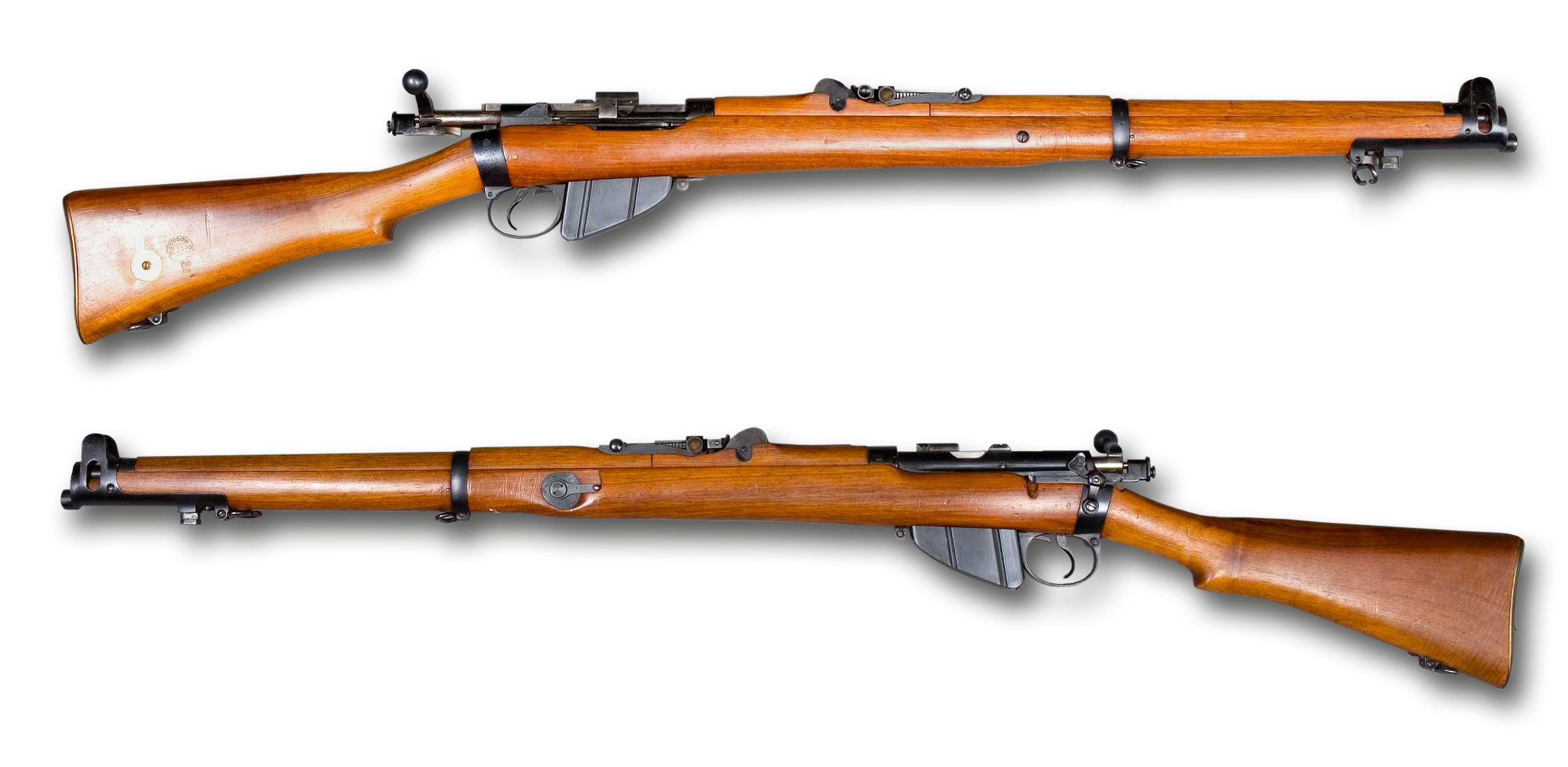

Enfield British Enfield No. 4 Mk I Deals
Prices may change. May contain affiliate links.
Collecting firearms is not just about ownership; it's about stewardship of history. The Enfield No. 4 is a symbol of British military prowess, and maintaining its condition ensures that future generations can appreciate its significance. Preservation extends beyond mere aesthetics; it involves safeguarding the original parts and finish to maintain the rifle's historical authenticity.
Historical context
The No. 4 rifle was introduced in 1939, designed to replace the earlier No. 1 Mk III. It featured several improvements, including a simpler design for manufacturing and better sights. During its production run, numerous variants emerged, each with unique features like differing sight configurations or stock materials. Understanding these nuances is essential for proper maintenance and restoration.
Inspection before maintenance
Before diving into maintenance routines, conduct a thorough inspection of the rifle. This inspection should include:
Visual assessment: Check the overall appearance, looking for rust, pitting, or signs of over-cleaning.
Mechanical function: Ensure the bolt cycles smoothly, the safety functions correctly, and the trigger breaks cleanly.
Markings and serial numbers: Document any factory markings or serial numbers; these are crucial for identifying authenticity.
A careful inspection can reveal potential issues that need addressing before they become more significant problems.

Enfield British Enfield No. 1 Mk III Deals
Prices may change. May contain affiliate links.
Collector's Notes
When inspecting an Enfield No. 4, pay close attention to:
Stock condition: Look for cracks or repairs that might affect authenticity.
Metal finish: Original finishes are often dull or worn; bright and shiny surfaces may indicate over-cleaning.
Matching numbers: Ensure that major components like the receiver, bolt, and barrel have matching serial numbers where applicable.
Cleaning techniques
Cleaning is essential but must be performed judiciously to avoid damaging the rifle's finish or integrity.
Barrel cleaning
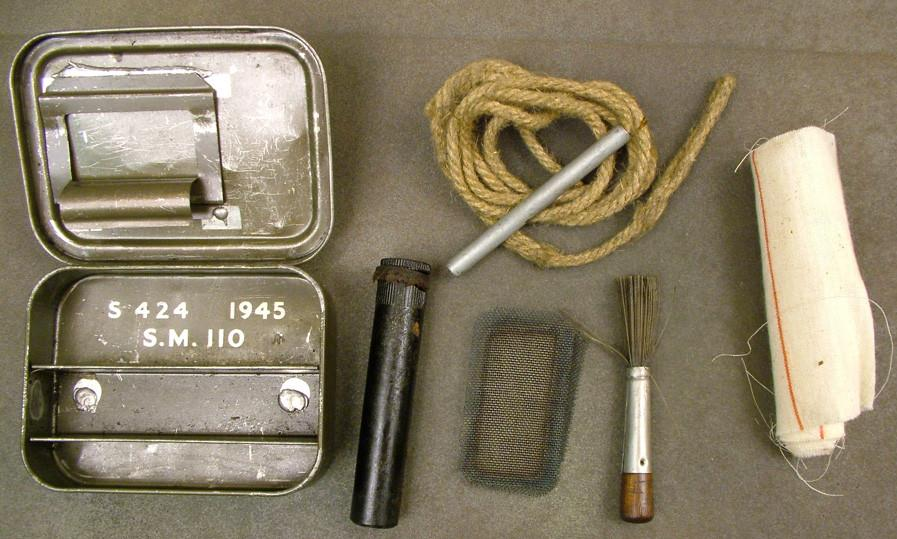
Use the right tools: Opt for a brass cleaning rod to prevent scratching the bore.
Bore solvent: Apply a quality bore solvent to remove copper fouling. Avoid harsh chemicals that can damage bluing or wood finishes.
Patch method: Run patches through the bore until they come out clean. Follow with a lightly oiled patch to protect against corrosion.
External cleaning
Soft cloths: Use cotton or microfiber cloths for wiping down surfaces.
Mild cleaner: For stubborn grime, a mild soap solution can be used, but always rinse thoroughly and dry immediately.
Avoid abrasives: Never use steel wool or scouring pads on metal surfaces.
Stock care
Dust regularly: Use a soft cloth to keep dust from settling into crevices.
Oiling: Apply a small amount of linseed oil to protect wood stocks but avoid excessive application that can lead to a sticky surface.
Repairing dings: Small dings can be steamed out; larger repairs should be handled by professionals to preserve originality.
Storage conditions
Proper storage is vital for preserving both mechanical function and aesthetic appeal.
Humidity control
The ideal storage environment for an Enfield No. 4 is cool and dry:
Humidity levels: Aim for humidity levels between 40% to 60%. Use silica gel packs or dehumidifiers if necessary.
Temperature stability: Avoid extremes; sudden temperature changes can lead to condensation.
Long-term storage tips
Safe environment: Store rifles in a dedicated gun safe to protect against theft and environmental factors.
Rifle sleeves: Consider using protective sleeves made from breathable materials to prevent moisture accumulation.
Regular checks: Inspect stored rifles periodically to catch any potential issues early.
Handling best practices
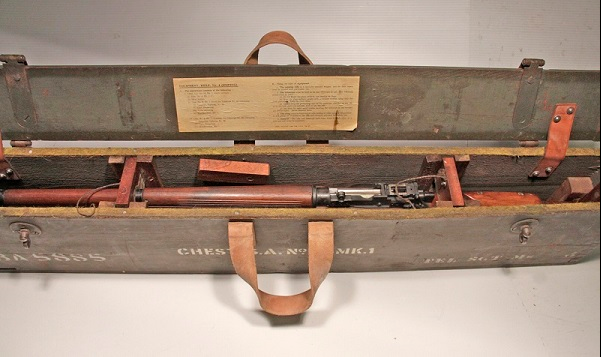
How you handle your Enfield No. 4 can have lasting effects on its condition.
Proper handling techniques
Minimize contact: Avoid handling the rifle unnecessarily; oils from your skin can accelerate degradation of finishes.
Use gloves: If you must handle it frequently, consider wearing cotton gloves to minimize direct contact.
Transport safely: When moving the rifle, use padded cases designed for firearms to prevent scratches or bumps.
Common mistakes
Over-cleaning can strip original finishes and markings.
Ignoring humidity control can lead to rust and wood warping.
Using inappropriate cleaning products can cause irreversible damage.
Documentation of provenance
Maintaining thorough documentation enhances the value and historical context of your Enfield No. 4.
What to document
Purchase records: Keep receipts or invoices as proof of authenticity.
Photographic records: Document markings, features, and condition at various stages of ownership.
Restoration history: If any work has been done on the rifle, document it meticulously.
Importance of paperwork
Provenance adds value; a well-documented rifle will always attract more interest than one without history. Inconsistent stories about ownership or modifications can significantly reduce desirability.
Reference models & variants
Understanding the different models of the Enfield No. 4 will help you identify what you're preserving.
Model comparisons
| Model | Features | Production Years | Typical condition |
|---|---|---|---|
| No. 4 Mk I | Adjustable rear sight, heavier barrel | 1941-1945 | Often found in Very Good; check for matching parts |
| No. 4 Mk II | Simplified design with fewer parts | 1949-1956 | Usually arsenal refurbished; be cautious of mismatched parts |
| No. 4 T | Sniper variant with scope rail | 1942-1945 | Rare; requires special attention due to scope mounts |
| No. 4 Mk I/2 | Transition model with updated features | 1956-1980 | Common but check for refurbishments |
Each model has its own quirks that collectors should be aware of when assessing condition and originality.
Key distinguishing features
Sights: The Mk I has a tangent rear sight while the Mk II features a simplified aperture system.
Barrel length: The Mk I typically has a longer barrel than later models.
Stock variations: Different models may have variations in wood grain and finish type.
Conclusion
Preserving the British Enfield No. 4 is an exercise in careful stewardship and respect for history. By paying close attention to cleaning techniques, storage conditions, handling practices, and documentation, you can maintain not just the rifle itself but also its story within military heritage. Each decision you make as a collector influences how future generations will experience this iconic firearm.
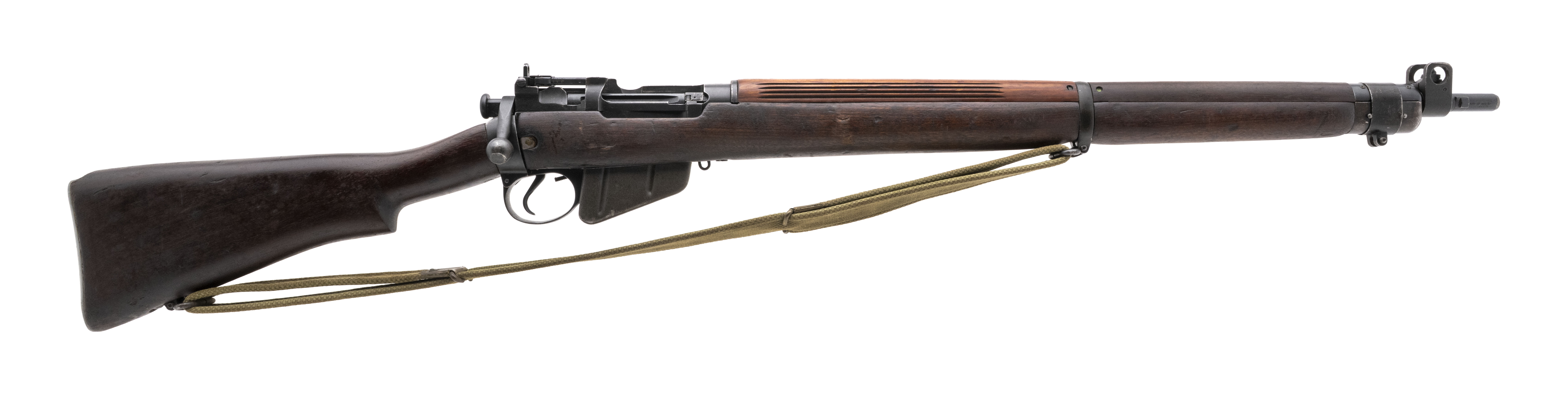
Collectors should always approach their acquisitions with a mindset focused on preservation rather than merely investment or aesthetic appeal. The history encapsulated within each Enfield No. 4 deserves thoughtful care and respect; your efforts ensure that its legacy endures for years to come.