
Choosing the right plate carrier for body armor: features and fit considerations
When it comes to personal protection, a well-chosen plate carrier can make all the difference. Whether you're in law enforcement, military service, or simply a civilian looking for enhanced safety, understanding how to select the right plate carrier is crucial. A good plate carrier should feel like an extension of your body, not an impediment. It influences your mobility, comfort, and overall effectiveness in a high-stress environment.
This guide will help you navigate the essential features and fit considerations for choosing the right plate carrier for body armor. We'll dive into how different designs affect your body dynamics; like weight distribution, ease of movement, and accessibility; so you can make a well-informed choice.
Understanding the purpose of a plate carrier
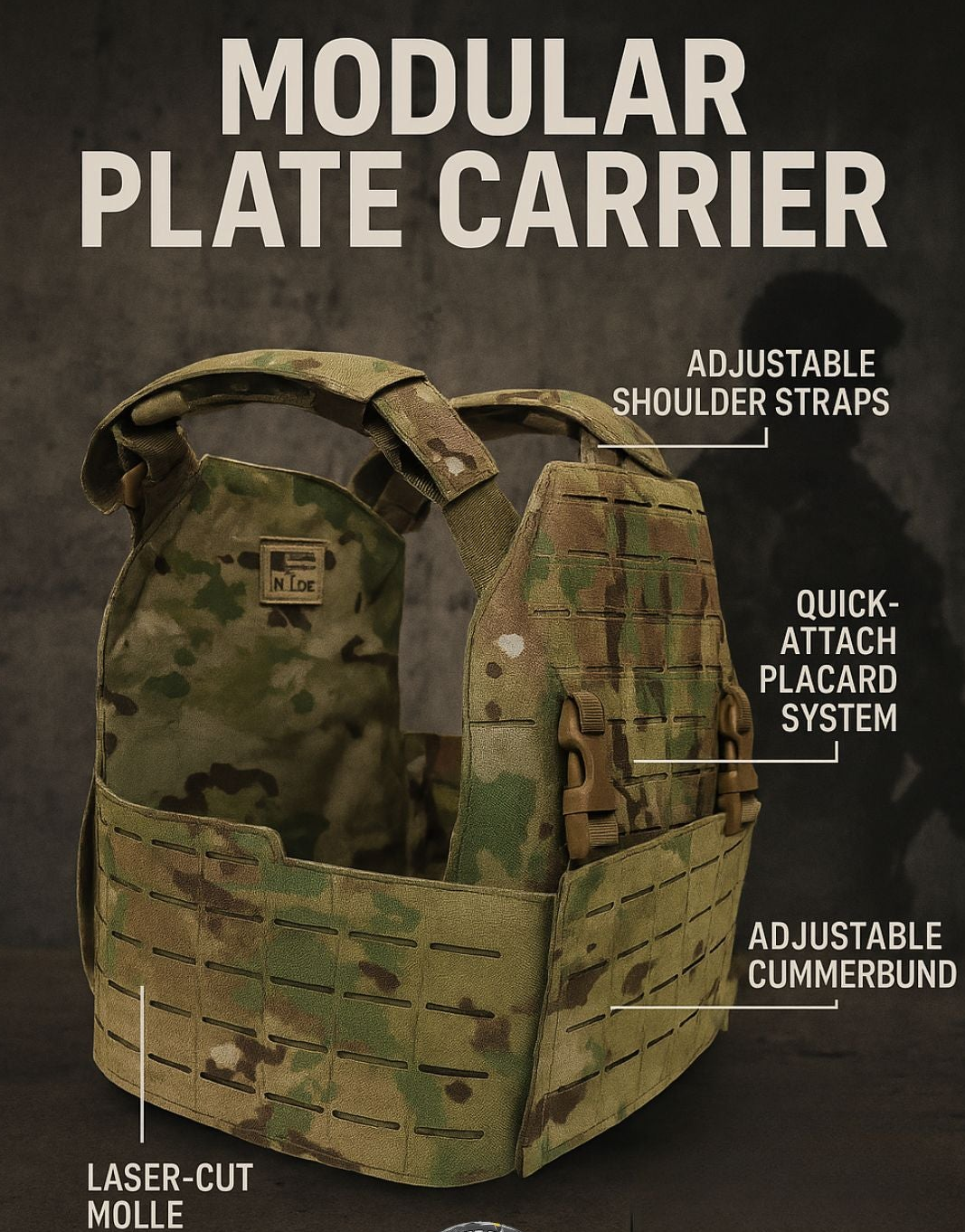
A plate carrier is designed to hold ballistic plates that provide critical protection against various threats. Unlike soft armor, which offers flexibility and comfort, plate carriers are built to accommodate hard plates that can stop rifle rounds. This added protection comes with some trade-offs, mainly in weight and bulk. The goal is to balance protection with mobility, ensuring you can maneuver effectively while staying safe.
Features to consider when choosing a plate carrier
When selecting a plate carrier, there are several key features to consider:
Material: Plate carriers are typically made from durable materials like nylon or polyester. Look for high denier fabric (1000D or higher) for maximum durability against wear and tear.
Weight: The weight of the carrier itself can significantly affect your stamina and agility. Lightweight carriers may sacrifice some durability but enhance mobility.
Adjustability: A good plate carrier should have multiple adjustment points to customize the fit to your body shape. Look for adjustable shoulder straps and cummerbunds that allow for a secure yet comfortable fit.
Plate compatibility: Ensure the carrier can accommodate the specific size and shape of the plates you plan to use, whether they are SAPI (Small Arms Protective Insert) or ESAPI (Enhanced Small Arms Protective Insert) plates.
Pockets and attachment points: The inclusion of modular attachment systems like MOLLE (Modular Lightweight Load-carrying Equipment) allows you to customize your loadout with pouches for magazines, medical kits, and other gear.
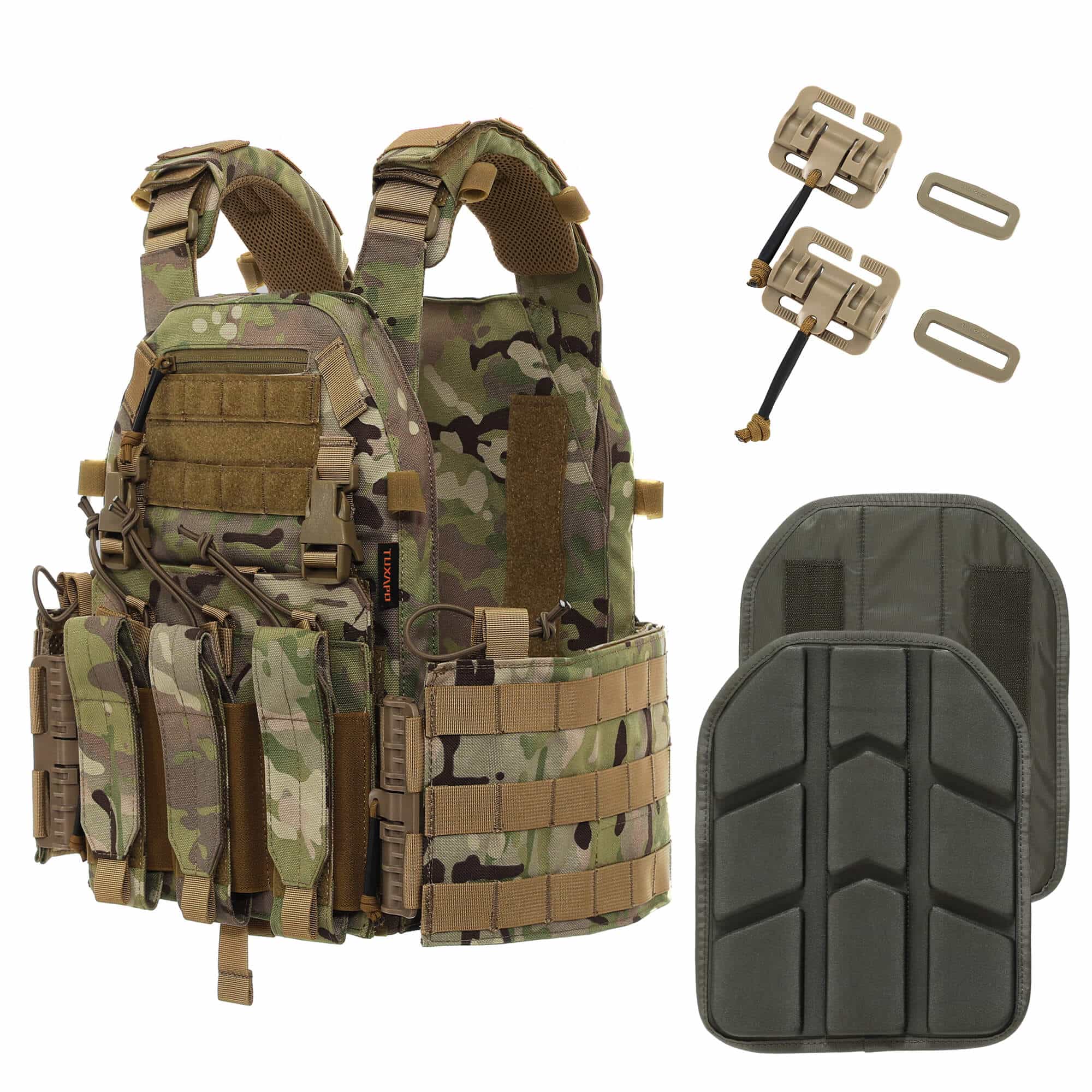
Breathability: Consider how hot it can get under your plate carrier during extended wear. Look for carriers with mesh lining or ventilation options to promote airflow.
Simplicity vs. features: Some carriers come with all sorts of bells and whistles; integrated hydration systems, quick-release mechanisms, etc. Decide what features are essential for your needs versus those that may add unnecessary complexity.
Fit & Feel
A well-fitting plate carrier should feel stable and secure without being restrictive. Here's what you should look for:
Shoulder straps: These should comfortably distribute weight across your shoulders without digging in or causing discomfort over time. Adjust them so they don't slide off or restrict arm movement.
Cummerbund: A properly fitted cummerbund will help stabilize the carrier and prevent it from riding up during movement. It should be snug but not overly tight; you should still be able to take deep breaths.
Plate placement: The plates should sit high enough to protect vital organs but low enough to allow proper shoulder movement without interference. Ideally, the bottom edge of the plate should be around the bottom of your sternum.
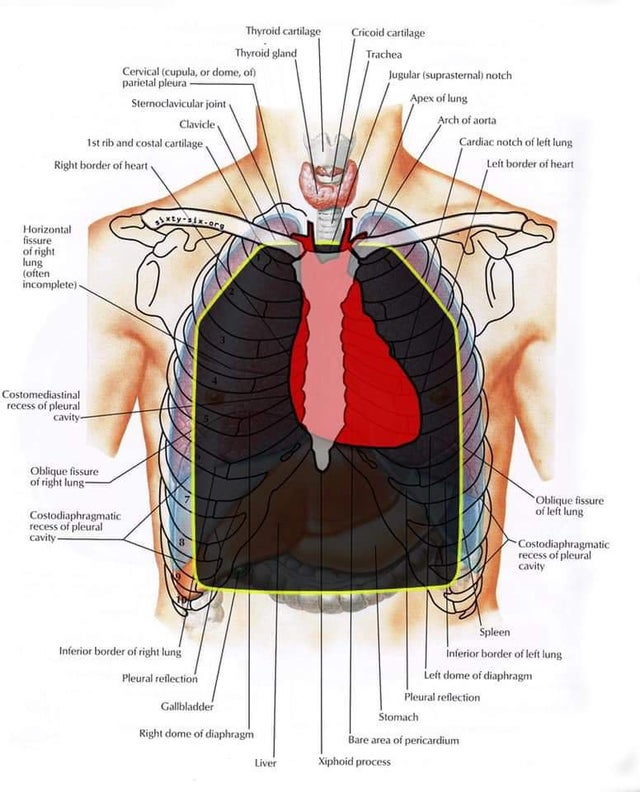
- Overall weight distribution: When fully loaded, the weight should feel balanced across your body. If it leans too far forward or backward, it could affect your posture and mobility.
If you find yourself adjusting constantly or struggling to move freely, it's time to reassess your setup.
Common mistakes when choosing a plate carrier
When selecting a plate carrier, it's easy to make some common mistakes. Here are a few pitfalls to avoid:
Ignoring size guidelines: Always refer to size charts provided by manufacturers to ensure you select the right size based on your body measurements.
Overlooking adjustability: Failing to test out adjustability features can lead to discomfort later on. Make sure you can easily make adjustments as needed.
Choosing aesthetics over function: While appearance might be important, prioritize functionality and fit over how "cool" a carrier looks.
Not considering your intended use: Ensure the carrier aligns with your specific needs; whether that's tactical operations, training exercises, or home defense scenarios.
Neglecting breathability: Don't overlook how hot you might get during extended wear. A lack of ventilation can lead to discomfort or fatigue.
Types of plate carriers
There are several types of plate carriers designed for different applications and user needs:
Simple plate carriers
These are basic carriers designed primarily for holding ballistic plates without additional features. They're lightweight and often more affordable but may lack comfort features or extra storage options. Great for users who prioritize simplicity and low weight.
Modular plate carriers
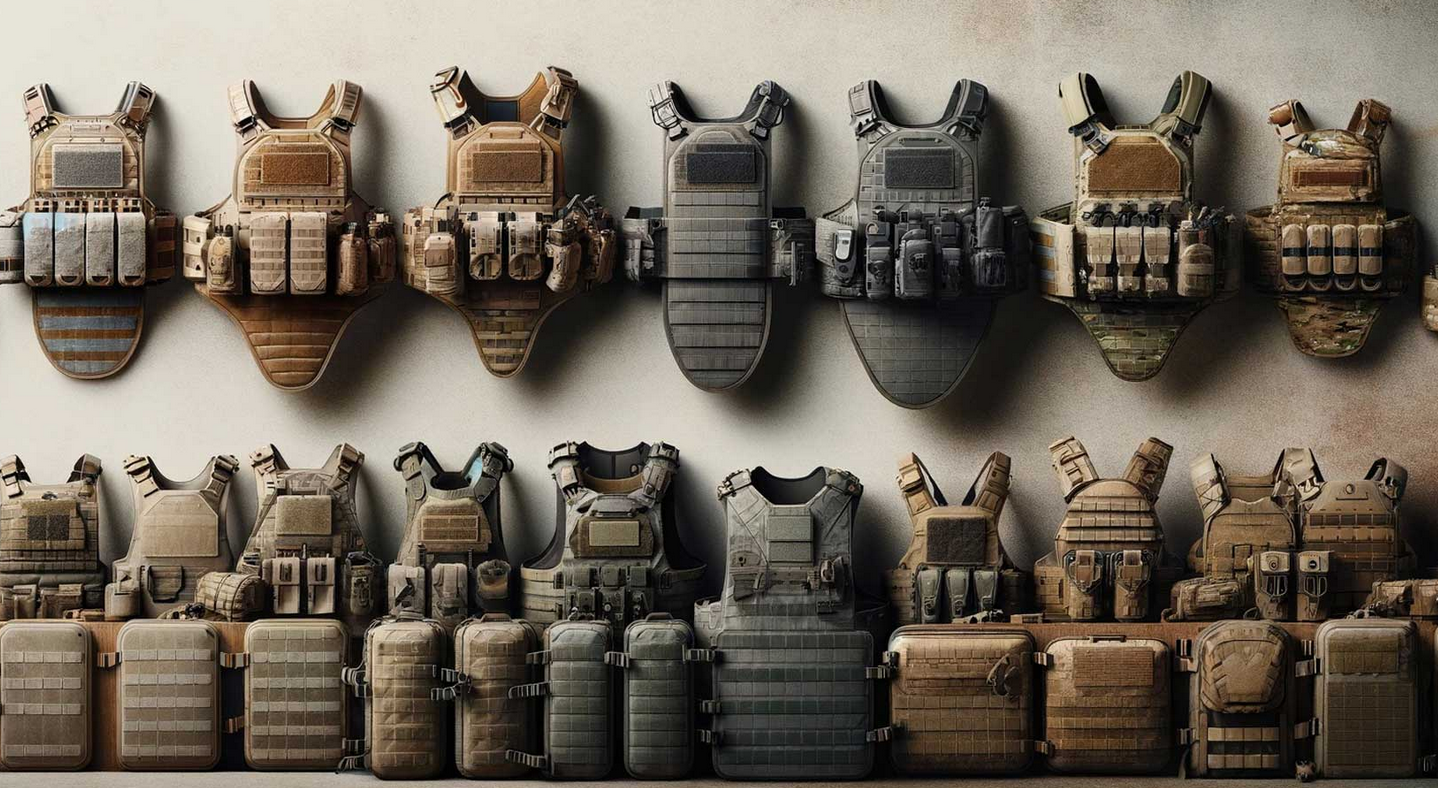
These carriers incorporate MOLLE webbing for customizable storage options. You can attach pouches, holsters, or other gear according to your mission needs. While they might be heavier due to additional components, they offer flexibility in loadout configuration.
Tactical vests
Tactical vests combine elements of both plate carriers and traditional vests. They usually include soft armor panels alongside plate pockets and various storage options. Ideal for users needing comprehensive protection combined with ample storage.
Low-profile carriers
These are designed to be as discreet as possible while still providing protection. They often have a slimmer profile that allows them to be worn under clothing without revealing their presence. Perfect for covert operations or everyday carry scenarios.
Product examples & comparison
Let's take a look at some popular plate carriers currently on the market:
1. Condor MCR6 Tactical Vest
Type: Modular
Features: Adjustable shoulder straps, MOLLE webbing, and internal pockets.
Use-case: Ideal for tactical training or light-duty applications.
2. Crye Precision JPC 2.0
Type: Lightweight
Features: Low-profile design, fully adjustable, with integrated cummerbund.
Use-case: Great for users seeking maximum mobility without sacrificing protection.
3. AR500 Armor Veritas Plate Carrier
Type: Simple
Features: Lightweight construction with adjustable straps and minimalistic design.
Use-case: Best for those wanting basic functionality without extra weight.
4. Shellback Tactical Banshee Plate Carrier
Type: Modular
Features: MOLLE compatible, padded shoulders, and adjustable cummerbund.
Use-case: Suitable for tactical professionals needing a customizable setup.
5. 5.11 Tactical Tactec Plate Carrier
Type: Tactical Vest
Features: Integrated hydration pocket, adjustable fit, and ample MOLLE space.
Use-case: Excellent for users requiring versatility and storage options in one package.
Comparison table
| Model | Type | Weight | Adjustability | Storage Options |
|---|---|---|---|---|
| Condor MCR6 Tactical Vest | Modular | Moderate | High | Extensive |
| Crye Precision JPC 2.0 | Lightweight | Light | High | Minimal |
| AR500 Armor Veritas | Simple | Very Light | Moderate | Minimal |
| Shellback Tactical Banshee | Modular | Moderate | High | Extensive |
| 5.11 Tactical Tactec | Tactical Vest | Moderate | High | Extensive |
Each of these models has its strengths and weaknesses depending on your specific needs; whether that's weight considerations, modularity, or simplicity.
Setting up your plate carrier
Now that you've chosen a plate carrier that meets your needs, let's discuss how to set it up effectively:
Assemble your gear: Start by gathering all necessary components; your ballistic plates, any additional pouches or gear you want to attach, and tools for adjustment if needed.
Insert the plates: Begin by inserting the ballistic plates into their designated pockets in the carrier. Make sure they're oriented correctly based on manufacturer guidelines; usually with the curve facing inward toward your body.
Adjust shoulder straps: Put on the carrier and adjust the shoulder straps so that they feel snug but not tight. You should be able to move your arms freely without feeling restricted.
Fit the cummerbund: Adjust the cummerbund so that it holds the carrier securely against your torso while allowing for full range of motion in your abdomen area.
Attach pouches and gear: If you're using MOLLE webbing, attach any pouches or gear based on how you plan to utilize them during operations; consider accessibility when making decisions about placement.
Test it out: Move around in the carrier; run, squat, kneel; to ensure everything feels right and stays in place during movement.
Fine-tune adjustments: After testing, make any necessary adjustments for comfort or mobility based on how it felt during movement.
Maintenance tips for longevity
Taking care of your plate carrier is essential for extending its lifespan:
Regular cleaning: Depending on usage frequency, clean your carrier regularly according to manufacturer instructions; most can be wiped down with mild soap and water.
Inspect stitching: Check stitching regularly for signs of wear or fraying; repair any areas before they become larger issues.
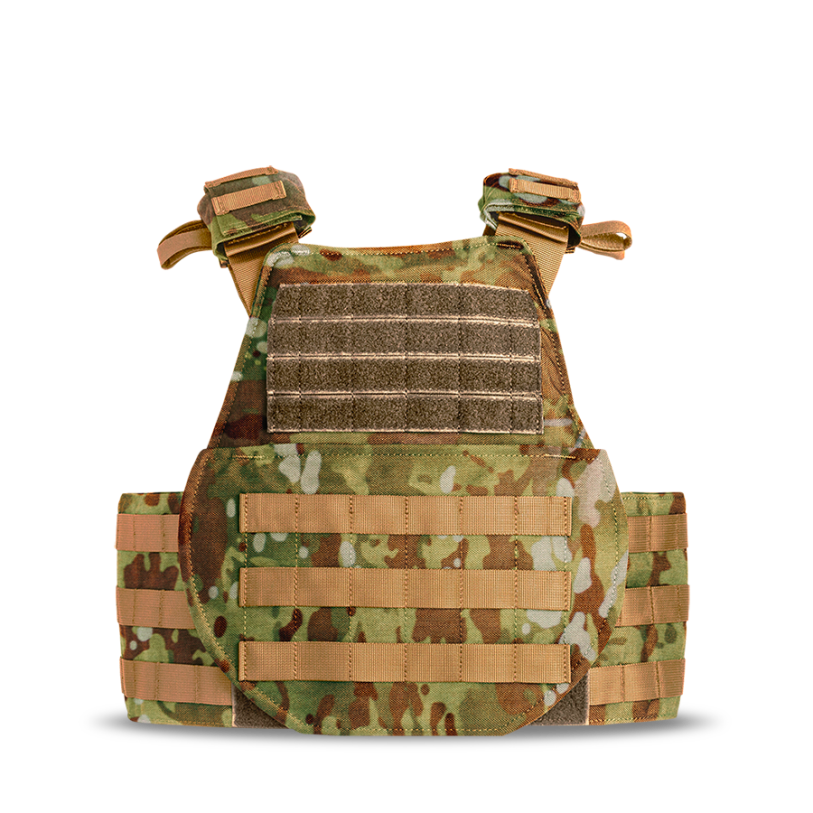
Store properly: When not in use, store your plate carrier in a cool, dry place away from direct sunlight to prevent fading or material degradation.
Replace worn parts: If pouches or straps become damaged beyond repair, replace them promptly rather than attempting makeshift fixes that could compromise safety.
Testing your setup
After setting up and maintaining your plate carrier, it's crucial to run through some tests:
Mobility drills: Conduct drills that require various movements such as running, squatting, or transitioning between positions while wearing the setup.
Weight tolerance tests: Load your carrier with the intended gear and test it out in realistic scenarios; this helps gauge how it performs under stress.
Comfort checks: Pay attention to areas where you might experience pressure points or discomfort after prolonged use; this feedback is vital for making future adjustments.
Field evaluations: If possible, conduct real-world evaluations in controlled environments; this will help identify any unforeseen issues with the setup while engaging in actual tasks.
Conclusion
Selecting the right plate carrier is more than just picking a piece of gear; it's about enhancing your safety while maintaining functionality and comfort during high-stress situations. By understanding features like material quality, adjustability, compatibility with plates, and how it affects fit and feel, you can ensure you make an informed decision tailored to your needs.
Take time to evaluate different models based on their strengths and weaknesses while also considering how you plan to use them; this will help streamline your selection process significantly.
As you gain experience with your chosen setup through practical application and testing drills, don't hesitate to tweak configurations based on what works best for you personally; comfort is key when it comes down to performance under pressure.
Now that you've got all this information at hand; it's time to hit the range or field and put your new knowledge into practice!