
Assessing the impact of reticle color on target acquisition in low light
When it comes to precision shooting, especially in low-light conditions, the choice of reticle color can significantly influence target acquisition and overall performance. This article will focus on how different reticle colors, such as red, green, and black, affect visibility and usability during critical moments. By examining the mechanics of light, human vision, and reticle design, we can better understand which colors might work best for specific scenarios.
Understanding reticle functionality
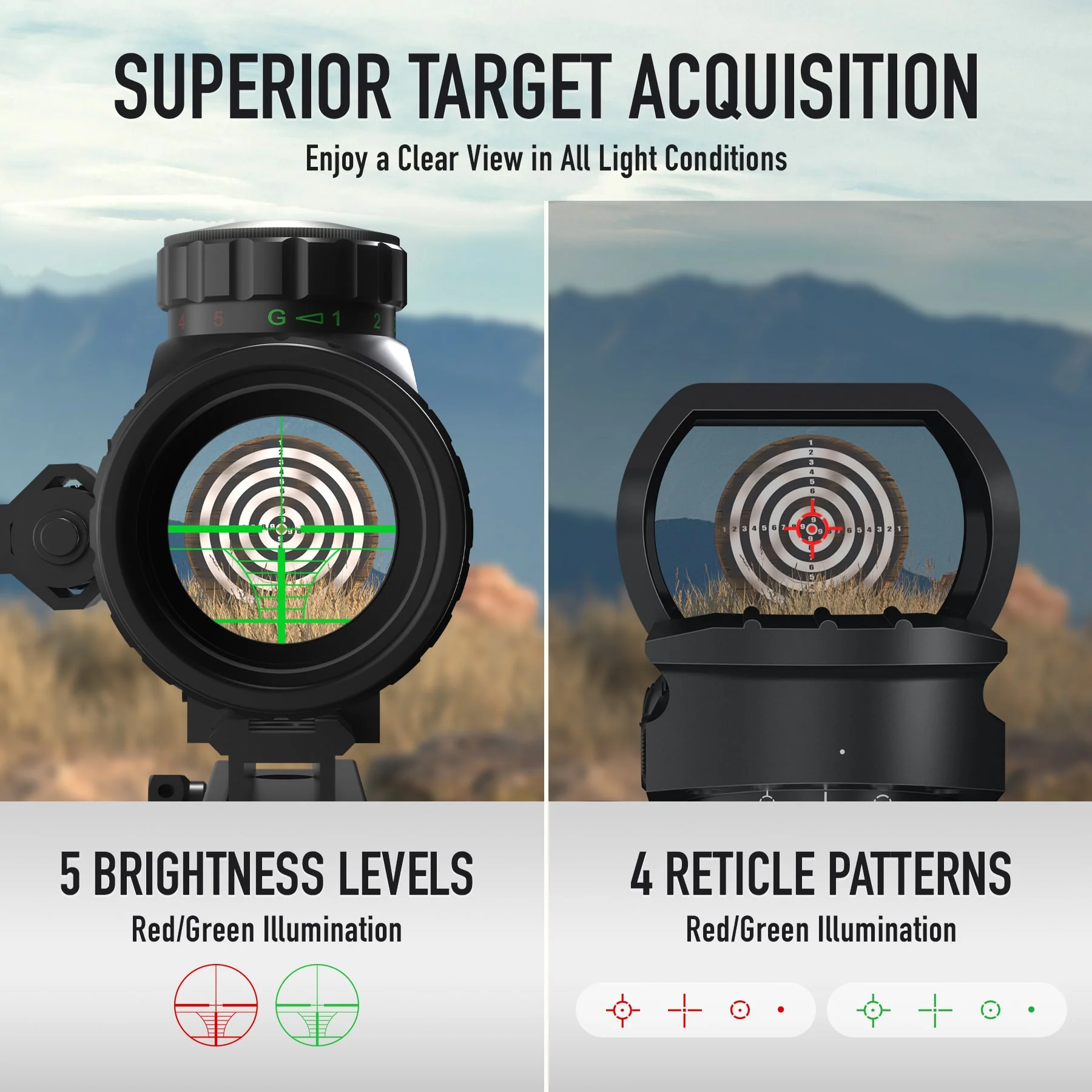
Before diving into reticle color, let's clarify what a reticle does. A reticle is essentially a crosshair or aiming point within an optic that helps a shooter align their point of aim with the target. Reticles come in various designs and colors, each offering unique advantages and drawbacks. In low-light environments, the primary goal is to achieve a clear sight picture against a potentially dim background. Reticle color can play a crucial role in this process, affecting how quickly and accurately you can acquire your target.
The science of light and color
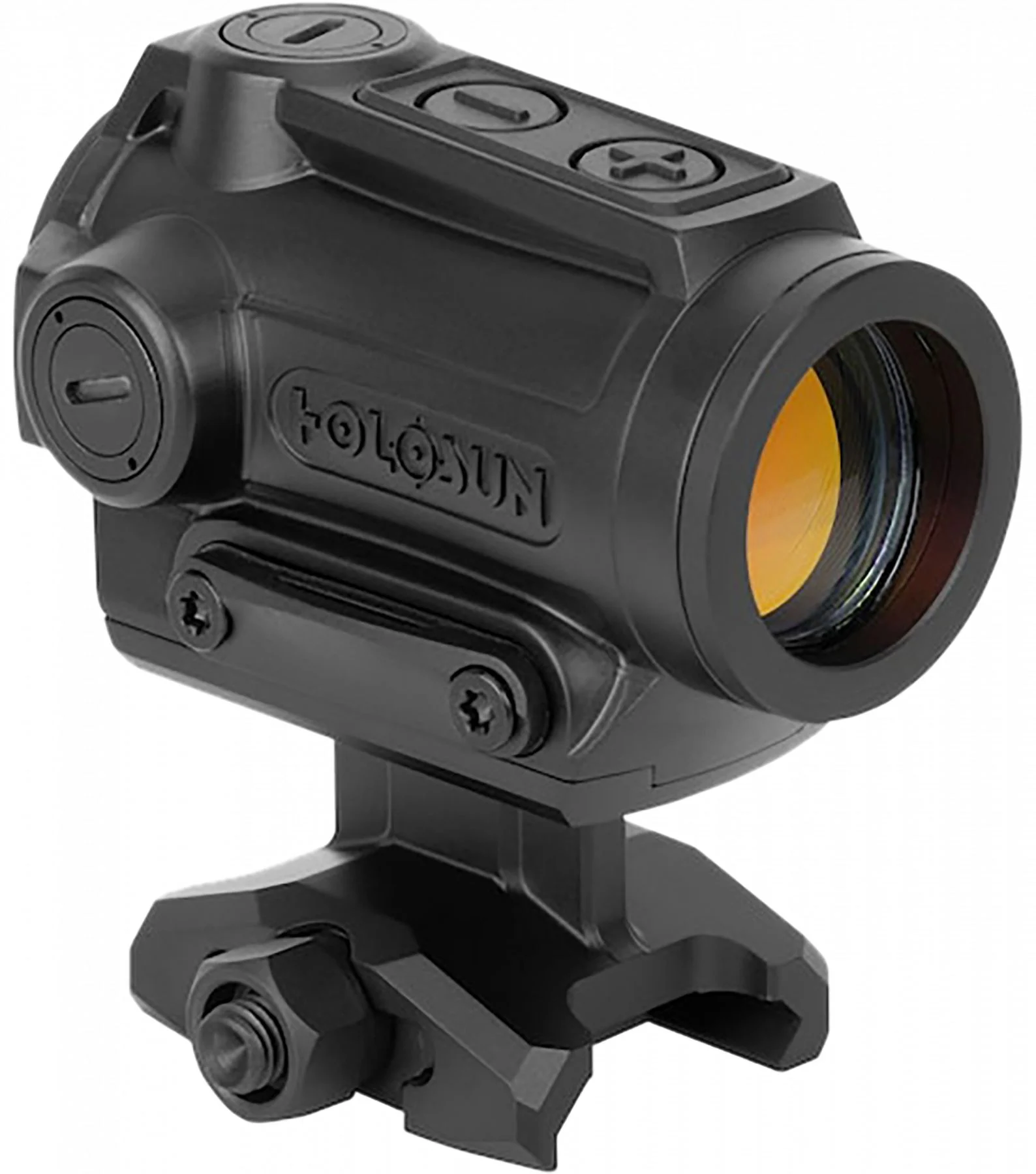
Color perception is fundamentally tied to light. Our eyes contain photoreceptors called rods and cones that respond differently to various wavelengths of light. Rods are more sensitive to light intensity but do not detect color; they excel in low-light conditions. Cones, on the other hand, are responsible for color vision and function best under brighter light. Understanding these aspects can help us evaluate how different reticle colors perform in low-light conditions. For instance, red reticles are often favored because they fall within a wavelength range that appears brighter to our eyes. Conversely, green reticles may provide better contrast in certain environments, depending on the specific lighting conditions.
Reticle color options: red vs. green vs. black
Red reticles
Holosun ARO-GR2 Advanced Rifle Optic 2 MOA Green Dot Reticle Deals
Prices may change. May contain affiliate links.

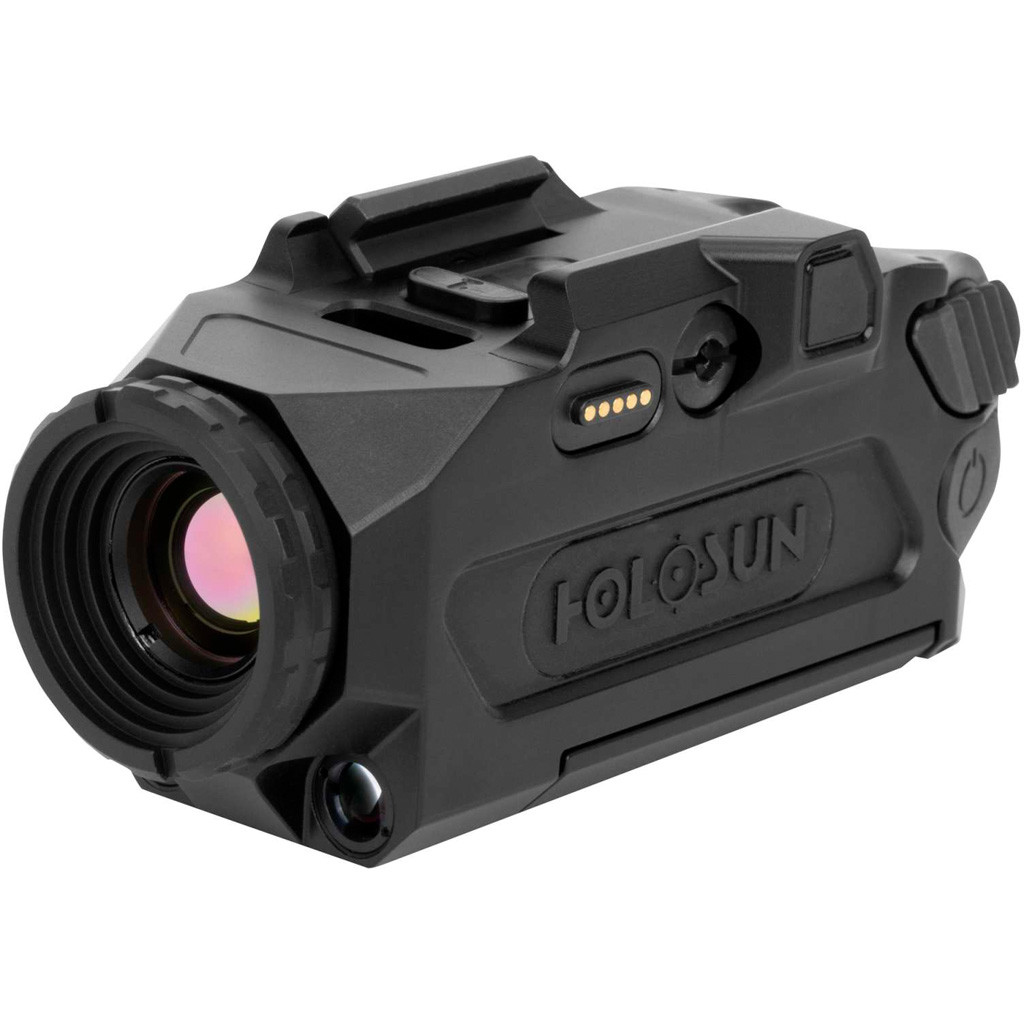
Red reticles are widely popular due to their visibility and ease of use in various lighting conditions. They are particularly advantageous in low-light scenarios for several reasons:
Brightness: Red light tends to stand out against darker backgrounds, making it easier for shooters to acquire targets quickly.
Contrast: In environments with mixed lighting (like dusk or dawn), red reticles can maintain clarity against both bright and dark areas.
Illumination settings: Many optics with red reticles come equipped with adjustable brightness settings, allowing users to fine-tune their visibility based on ambient light.
However, red reticles can also have drawbacks. In bright sunlight, they may become washed out or difficult to see if not properly adjusted. Additionally, some shooters find that red reticles can create glare or reflections on the lens, affecting clarity.
Green reticles
Green reticles have gained popularity in recent years as an alternative to red. They offer distinct advantages:
Color perception: Research suggests that green light may be perceived as brighter by the human eye under certain conditions, particularly when transitioning from darkness to light.
Reduced glare: Green reticles tend to produce less glare compared to red, which can be advantageous when shooting in varying light conditions.
Versatility: Just like red options, many green reticles offer adjustable brightness levels.
The downside to green is that it may not provide as much contrast against certain backgrounds as red does, making it less effective in some environments.
Black reticles
Black reticles remain a staple in optics design. They provide a sharp contrast against lighter backgrounds and are often used in traditional scopes without illumination options. Their key features include:
Simplicity: Black reticles do not require batteries or adjustments, making them reliable in any condition.
Clarity: They provide excellent contrast against lighter targets or backgrounds.
However, black reticles can be challenging to see in low-light scenarios. As ambient light fades, they may blend into the background, causing delays in target acquisition.
Evaluating reticle performance in low-light situations
To assess how different reticle colors perform in low-light conditions, let's consider several factors:
Target distance
The distance to the target significantly impacts how well a reticle performs. For example:
At close ranges (0-50 yards), all reticle colors generally perform well as long as there's some ambient light.
At medium distances (50-200 yards), red and green reticles typically outperform black due to their enhanced visibility.
Beyond 200 yards, black reticles can lose effectiveness unless the target is against a contrasting background.
Background contrast
The environment plays a crucial role in determining which reticle color is most effective:
If shooting against a dark background (e.g., trees at dusk), red or green may stand out more clearly.
Against lighter backgrounds (e.g., open fields during daylight), black reticles can be easier to see.
Light conditions
Understanding the specific light conditions you'll encounter is critical:
Dusk/Dawn: Red and green reticles often shine during these periods due to their brightness against fading light.
Overcast: Diffused light can make black reticles harder to see; red or green can help improve visibility.
Artificial Light: Under indoor lighting or bright artificial sources, all colors may present challenges; however, red is generally preferred for its standout qualities.
Shooter's eyesight
Individual differences in eyesight can heavily influence the effectiveness of a particular reticle color:
Some individuals may find red more comfortable due to its brightness.
Others may prefer green for its contrast and reduced glare.
Situational awareness
In tactical scenarios where speed and awareness are paramount, the choice of reticle color could mean the difference between success and failure. Red and green options allow for quick target acquisition without losing sight of surroundings.
Practical considerations for choosing a reticle color
When selecting an optic with a specific reticle color, consider the following practical tips:
Test before you buy
If possible, try out different optics with various reticle colors under similar lighting conditions as those you expect to encounter. This will give you a real-world sense of what works best for your eyes and shooting style.
Adjustable brightness
Opt for optics that allow you to adjust the brightness of your reticle based on environmental changes. This flexibility can make a significant difference in performance across different shooting scenarios.
Eye relief and mounting
Ensure that your chosen optic has appropriate eye relief for your platform and shooting position. Poor eye relief can negate any benefits provided by an illuminated reticle.
Weight considerations
If you're concerned about weight or balance on your firearm, remember that illuminated optics tend to weigh more than their non-illuminated counterparts due to batteries and additional electronics.
Shop Tips
Always verify that your chosen optic retains zero after mounting and adjusting the brightness.
Check eye relief from your shooting position before finalizing mount height; ensure comfort while aiming.
Keep your lenses clean; dirt or smudges can compromise visibility regardless of reticle color.
Common mistakes when choosing reticle colors
Ignoring personal preference: Don't overlook how different colors resonate with your vision; test them out.
Underestimating environmental factors: Always consider the typical backgrounds and lighting conditions you'll encounter.
Overlooking adjustable features: Failing to utilize adjustable brightness settings can hinder performance.
Conclusion: finding your optimal reticle color
In summary, the impact of reticle color on target acquisition in low-light conditions cannot be overstated. Your choice between red, green, or black should be informed by personal comfort, environmental factors, and specific use cases.
As you prepare for your next range session or hunting trip, keep these insights in mind. Experiment with different optics under varying conditions to discover what truly enhances your shooting experience.
Ultimately, remember that a well-chosen reticle enhances not just accuracy but also confidence under pressure.