Setting up for success: Choosing the right ammunition for mountain goat hunting
Mountain goat hunting presents unique challenges that require careful planning and precision. When targeting these agile creatures in rugged terrain, the choice of ammunition plays a critical role in your success. From distance to bullet performance, selecting the right cartridge can significantly impact your ability to make a clean shot under demanding conditions.
In this article, we'll delve into the specifics of choosing ammunition for mountain goat hunting. We'll focus on factors like effective range, bullet design, recoil management, and how these elements affect your decision-making in the field. The goal is to enhance your understanding of ammunition selection, ensuring that you can make informed decisions during your hunts. Safety and ethics will always be paramount, so let's start by discussing the essentials.
Understanding mountain goat behavior
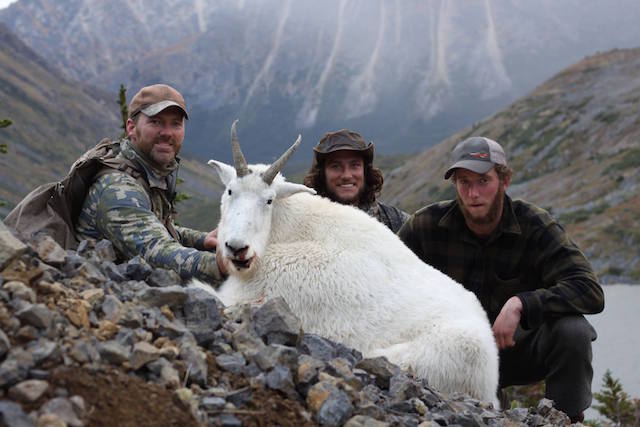
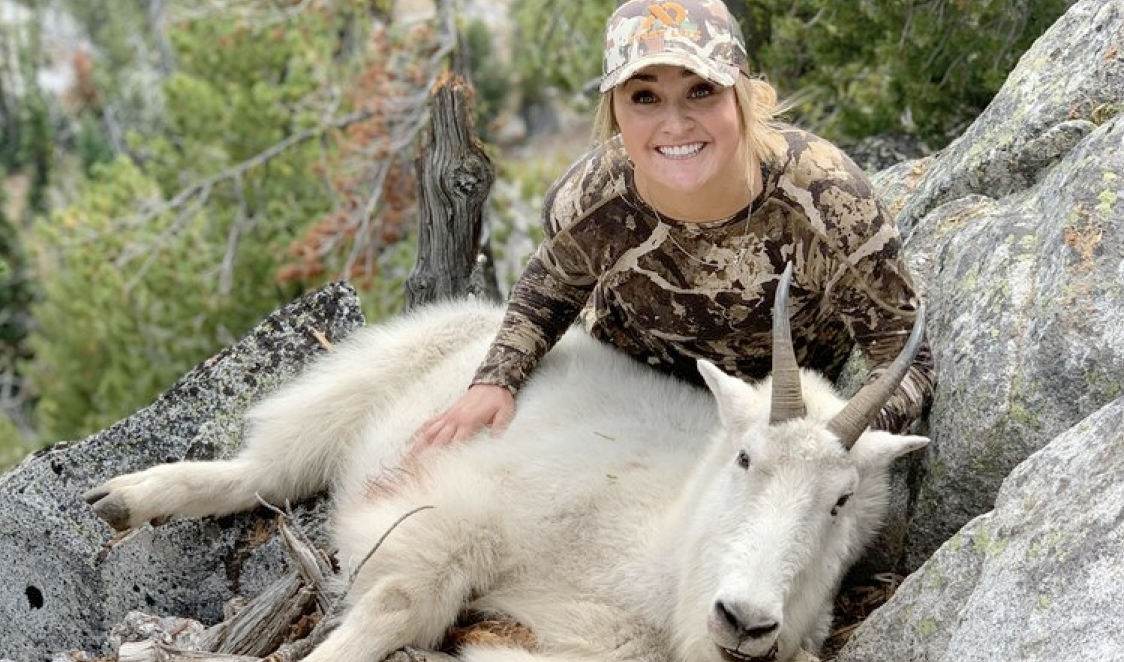
Before selecting ammunition, it's crucial to understand the behavior and habitat of mountain goats. These animals thrive in steep, rocky environments and are often found at high elevations. They tend to be wary and cautious, which means you may need to engage them from a distance.
Mountain goats are typically solitary or found in small groups. Their keen eyesight allows them to detect movement from afar, so maintaining a low profile is essential. Additionally, they are most active during dawn and dusk, making these times ideal for hunting.
Terrain considerations
Hunting in mountainous regions can be physically demanding. The terrain varies from rocky cliffs to dense brush, which affects your shooting position and the angles at which you might encounter a goat. Shots can often be taken at steep angles; downhill or uphill; which can complicate ballistics and trajectory calculations.
Understanding how elevation affects bullet drop and drift is essential. For example, when shooting uphill, the line of sight distance may be shorter than the actual distance due to angle. This cosine effect means that you may need to adjust your aim accordingly.
Effective range and realistic shooting distances
When considering ammunition for mountain goat hunting, it's vital to establish what ranges you expect to encounter these animals. Typically, shots may range from 200 to 400 yards, depending on your location and level of skill. However, many experienced hunters recommend practicing for shots up to 500 yards if conditions allow.
Bullet drop and drift
At longer distances, bullet drop becomes a significant factor. For instance, a .270 Winchester with a standard 130-grain bullet can experience about 12 inches of drop at 400 yards if zeroed at 200 yards. Similarly, a .30-06 Springfield with a 180-grain bullet will drop around 14 inches at the same distance. Knowing your cartridge's trajectory helps you prepare for any shot situation.
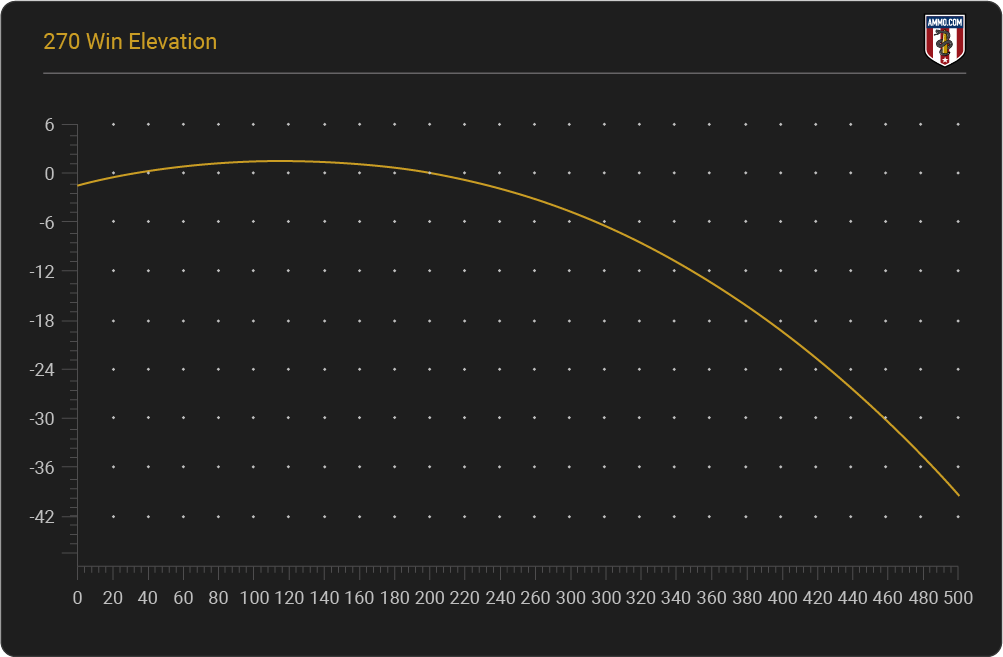
Wind drift is another consideration. At 400 yards, even a light breeze can push a bullet several inches off target. It's crucial to account for wind conditions when taking a shot; especially in mountainous terrain where gusts can vary significantly.
Choosing the right caliber
Selecting the appropriate caliber is one of the most important decisions you'll make regarding ammunition. Mountain goats are robust animals with thick hides and strong bones. Therefore, it's vital to choose a caliber that provides adequate energy and penetration.
Common calibers for mountain goat hunting
.270 Winchester: A popular choice due to its flat trajectory and manageable recoil. It offers good performance with lighter bullets (130-150 grains) that expand well and create sufficient energy on impact.
.30-06 Springfield: This versatile caliber allows for a wide range of bullet weights (150-220 grains). It's known for its stopping power and energy retention over longer distances, making it suitable for various game sizes.
7mm Remington Magnum: This caliber provides flatter trajectories with less wind drift compared to .30-caliber options. It's an excellent choice for those looking for speed and energy retention while maintaining manageable recoil.
.308 Winchester: This caliber is well-regarded for its accuracy and effectiveness on larger game. It performs well in various conditions, making it suitable for mountain hunting.
6.5 Creedmoor: Gaining popularity among hunters, this caliber offers low recoil with high ballistic efficiency. Its lighter bullets (120-140 grains) can maintain velocity over long distances while providing adequate terminal performance.
Recommended bullet types
When it comes to bullet selection, consider expanding bullets designed for controlled penetration and reliable expansion upon impact. Here are some popular options:
Springfield armory .30-06 Springfield Deals
Prices may change. May contain affiliate links.
- Partition Bullets: These have a dual-core design that promotes controlled expansion while retaining weight for deep penetration.
AccuBond Bullets: Known for their bonded construction, AccuBond bullets offer excellent weight retention and consistent expansion, making them effective for mountain goats.
Ballistic Tip Bullets: While these can provide excellent accuracy, they may not penetrate as deeply as partitioned designs. They're best suited for closer ranges where shot placement is critical.
Monolithic Bullets: Made from solid copper or brass, these bullets expand without fragmentation. They are highly effective for ethical hunting practices due to their deep penetration and reliability.
Recoil management
Recoil is an essential factor in choosing ammunition for mountain goat hunting. The steep terrain often requires quick follow-up shots if you miss or need to track an animal after a hit. A cartridge that generates excessive recoil may hinder your ability to recover quickly between shots.
When selecting your ammunition, consider:
Weight of the rifle: Heavier rifles tend to absorb recoil better but may cause fatigue during long hikes.
Bullet weight: Heavier bullets typically produce more recoil, which may affect accuracy on follow-up shots.
Personal comfort: Ensure you practice with your chosen ammunition so that you're comfortable handling it under field conditions.
Practical checklist for selecting ammunition
As you prepare for mountain goat hunting, use the following checklist to guide your ammunition selection process:
Choose a caliber suited for mountain goat hunting (e.g., .270 Win, .30-06 Springfield).
Opt for controlled expansion bullets designed for penetration.
Test your chosen ammunition at varying distances (200–500 yards).
Practice shooting at different angles to simulate field conditions.
Consider your rifle's weight and how it affects recoil.
Make sure you have enough rounds for practice and potential follow-ups.
Winchester .308 Winchester Deals
Prices may change. May contain affiliate links.
Training Corner
To validate your ammunition choice and improve accuracy in the field, set up a training session that simulates real-world conditions:
Set up targets at various distances (200, 300, 400 yards).
Use elevation changes by shooting from both high and low positions (e.g., prone uphill, seated downhill).
Incorporate wind simulation by practicing shots on windy days or using fans to mimic wind effects.
Measure group sizes at each distance to assess consistency and accuracy.
Record data on drop and drift adjustments needed based on conditions.
Evaluate follow-up shot times by timing how quickly you can reacquire the target after the first shot.
By regularly practicing these techniques, you'll enhance your shooting skills and build confidence in your ammunition selection.
Common mistakes hunters make
As you prepare for your mountain goat hunt, be aware of these common mistakes related to ammunition selection:
Ignoring trajectory: Failing to understand bullet drop at various distances can lead to missed shots.
Overlooking recoil: Choosing a cartridge with excessive recoil can hinder quick follow-up shots.
Neglecting bullet performance: Not testing how different bullets perform can result in poor terminal effects on game.
Underestimating wind effects: Failing to account for wind drift can result in significant misses.
Not practicing enough: Skipping practice sessions leads to uncertainty when it matters most in the field.
Conclusion
Choosing the right ammunition for mountain goat hunting involves understanding both the animal and the unique challenges posed by mountainous terrain. By selecting an appropriate caliber and bullet type, considering recoil management, and practicing effectively, you'll enhance your chances of success while ensuring ethical hunting practices are upheld.
With thorough preparation and informed decisions regarding your ammunition choices, you'll be ready to take on the challenges of mountain goat hunting successfully. Stay safe out there!