How to choose the right caliber for coyote hunting at night
Coyote hunting at night presents a unique set of challenges and opportunities. This nocturnal pursuit requires precision, stealth, and an understanding of the right equipment to ensure success. When it comes to choosing the right caliber, you must consider several factors, including distance, terrain, and the specific characteristics of the .223 Remington, .22-250 Remington, and .243 Winchester. Each of these cartridges offers distinct advantages that can influence your effectiveness in the field.
In this article, we'll explore the nuances of selecting the right caliber for coyote hunting at night. We'll focus on how each caliber performs under various conditions and what decisions you should make when preparing for a night hunt. We'll also emphasize safety and ethical considerations throughout.
Remington .223 Remington Deals
Prices may change. May contain affiliate links.
Understanding coyote behavior at night
Before diving into calibers, it's essential to understand coyote behavior during nighttime hunts. Coyotes are naturally more active at dusk and dawn, but they often continue their activities well into the night. They rely heavily on their senses: hearing, sight, and smell; to navigate their environment. This heightened awareness means that hunters need to be particularly careful when approaching potential hunting grounds.
During nighttime hunts, coyotes can be more cautious than during daylight hours. They may respond differently to calls and sounds, requiring hunters to adapt their strategies accordingly. Additionally, low-light conditions can affect how you perceive distance and target identification. This is where caliber choice plays a crucial role in ensuring ethical shots.
Key factors in caliber selection
When selecting a caliber for nighttime coyote hunting, keep the following factors in mind:
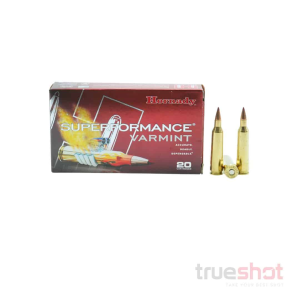
Remington .22-250 Remington Deals
Prices may change. May contain affiliate links.
Distance: Nighttime shots can vary significantly in range depending on terrain and visibility. Consider how far you can comfortably identify a coyote's vital zone.
Ballistics: Different calibers behave differently under various conditions. Understanding bullet drop, drift, and energy transfer will help you make informed decisions at the moment of truth.
Noise: The sound of your shot can scare off other coyotes in the area or alert them to your presence. Selecting a caliber that minimizes noise, possibly with the use of suppressors, can enhance your stealth.
Recoil management: Night hunting often involves multiple shots or quick follow-ups. Choose a caliber that allows you to manage recoil effectively so you can stay on target.
Availability of ammunition: Ensure you have access to reliable ammunition for your chosen caliber. This can vary based on local supply and demand.
Popular calibers for coyote hunting at night
.223 Remington
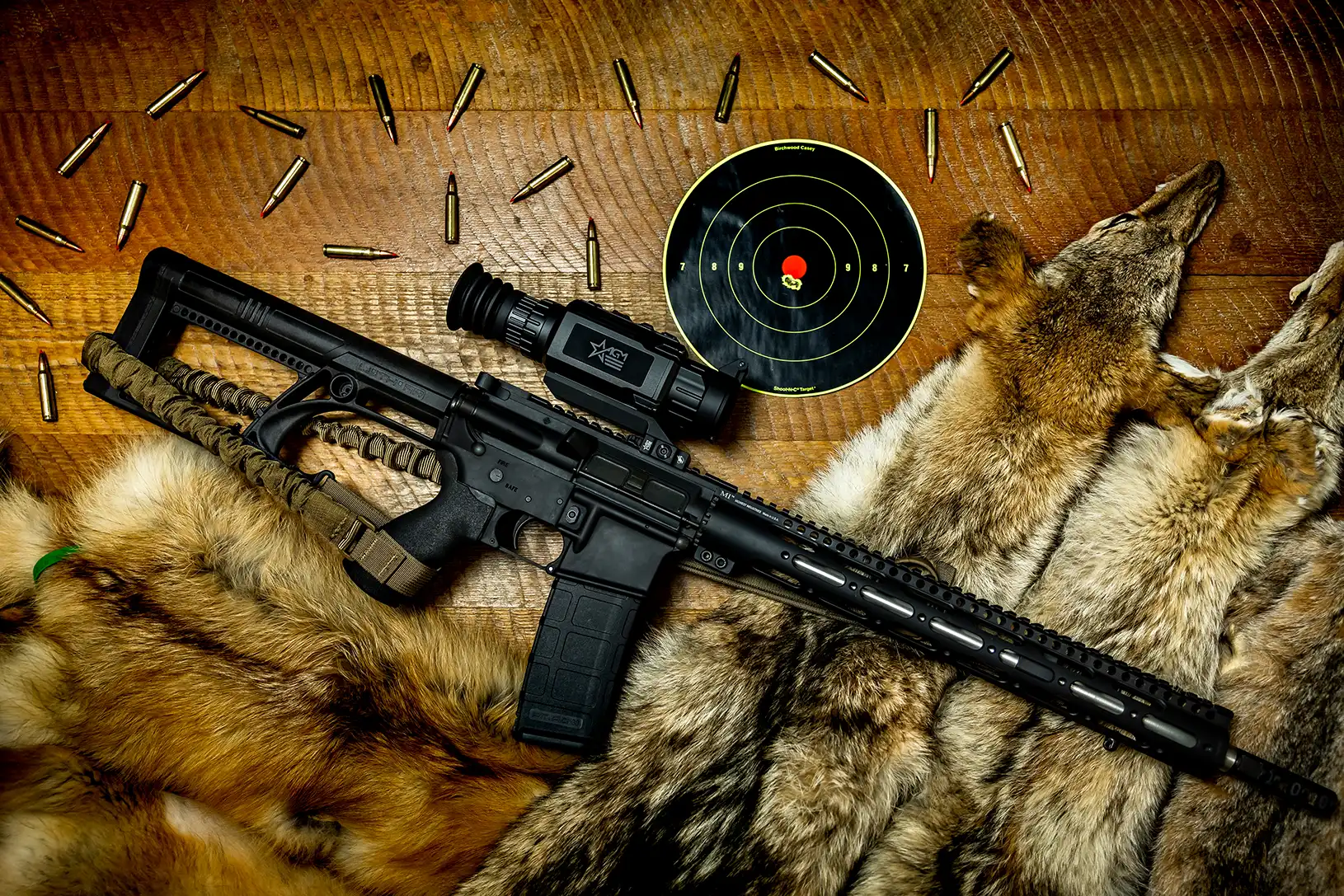
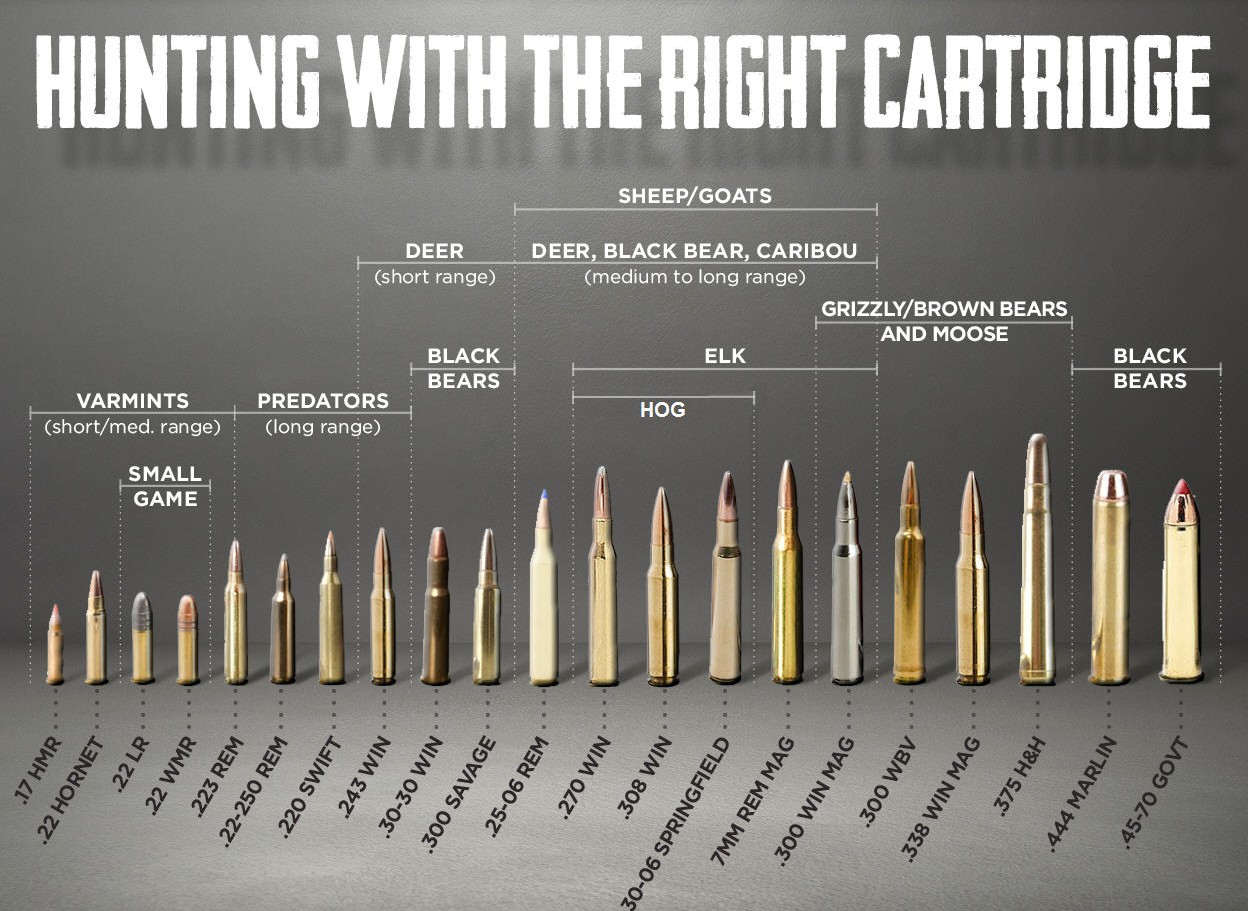
The .223 Remington is one of the most popular choices for coyote hunting, especially at night. Its advantages include:
Light recoil: This makes it suitable for extended shooting sessions without causing fatigue.
Flat trajectory: The .223 maintains a relatively flat trajectory over moderate distances, making it easier to hit targets quickly.
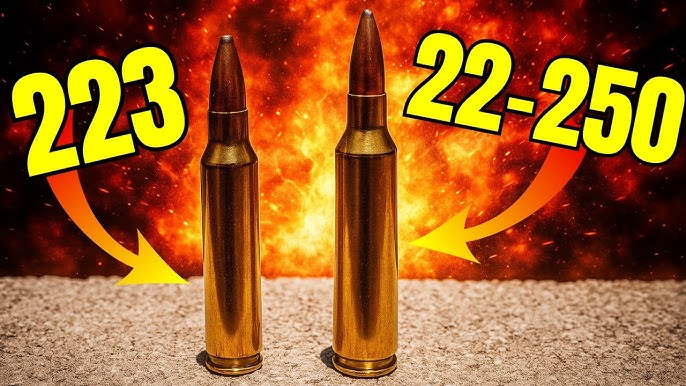
A close-up of a .22-250 Remington bullet, highlighting its construction and characteristics that make it effective for long-range coyote hunting. Variety of ammunition: The availability of various bullet types allows for flexibility in choosing projectiles tailored to your specific needs.
At ranges up to 300 yards, the .223 performs well with minimal drop and drift. However, it's essential to note that its effectiveness diminishes beyond this range due to reduced energy transfer and terminal performance.
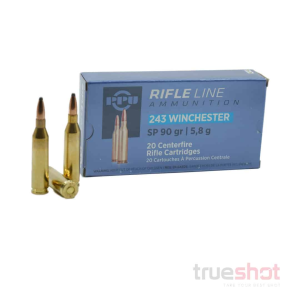
.22-250 Remington
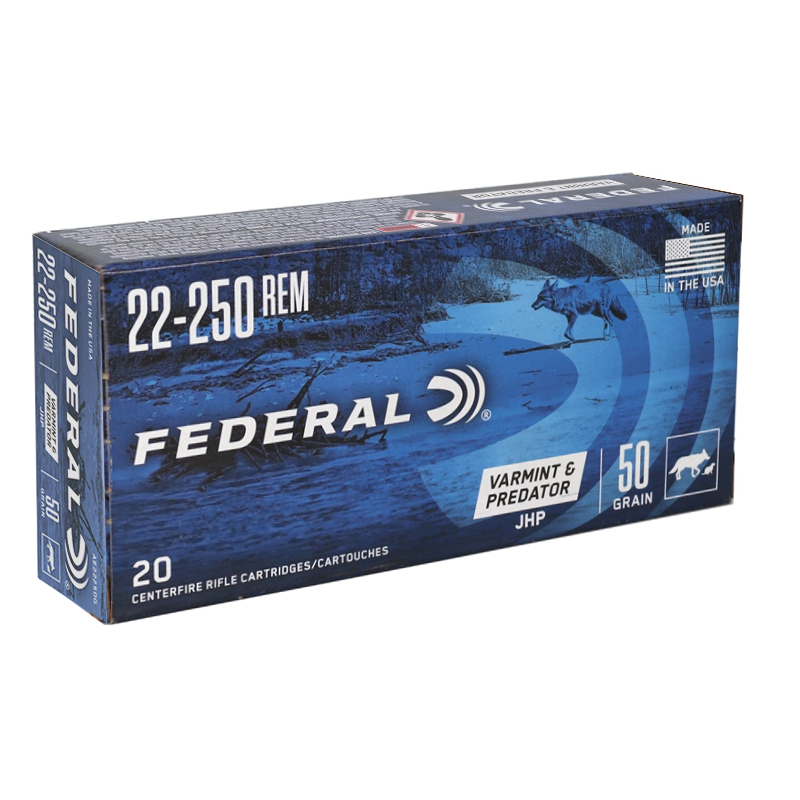
The .22-250 Remington offers some advantages over the .223, particularly for hunters looking for increased velocity and flatter trajectories:
Higher velocity: This translates to reduced bullet drop and drift compared to the .223 at longer distances.
Effective range: The .22-250 is effective up to 400 yards or more, making it suitable for open terrain where shots can be taken from a distance.
The downside is that the .22-250 typically produces more recoil than the .223, which may affect follow-up shots in rapid succession. For hunters who prioritize long-range accuracy and have experience managing recoil, the .22-250 is an excellent option.
.243 Winchester
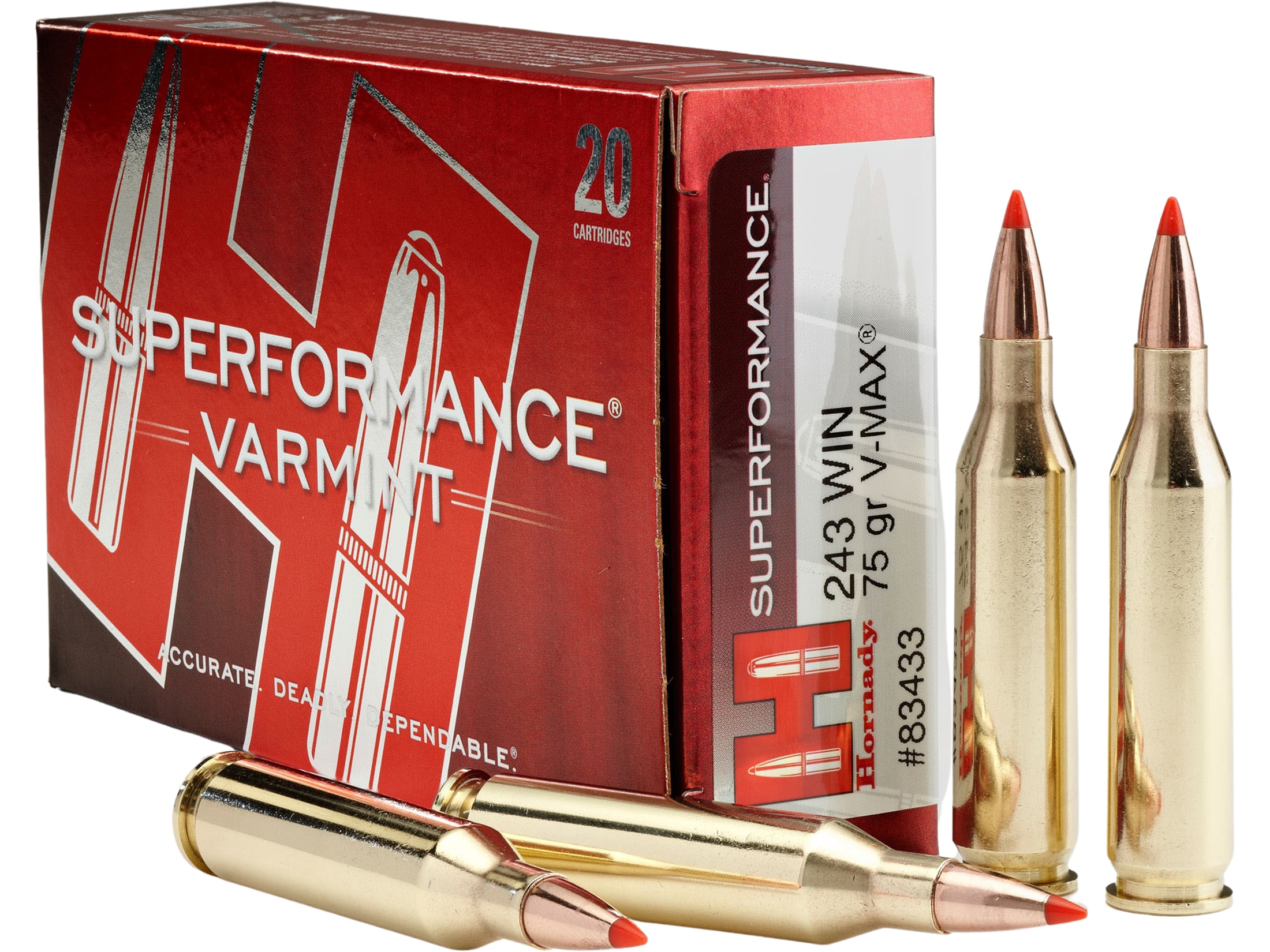
For those looking for a larger caliber with greater terminal performance, the .243 Winchester is a strong contender:
Energy transfer: The .243 delivers more energy upon impact compared to both the .223 and .22-250. This ensures clean kills on coyotes without excessive pelt damage.
Versatile ammunition options: The .243 can fire heavier bullets, offering hunters flexibility in selecting projectiles based on conditions.
While effective out to 500 yards or more, its increased recoil may be a drawback for some shooters. However, if you anticipate needing additional stopping power, especially in areas with larger predators, the .243 Winchester should be considered.
Understanding ballistics in the field
When choosing a caliber, understanding how ballistics impact your shooting decisions is crucial. Let's break down some critical aspects of ballistics relevant to coyote hunting at night.
Bullet drop and drift
At night, visibility can be limited, making it vital to know how much your bullet will drop over distance. For example:
A typical .223 Remington zeroed at 100 yards will experience about 7 inches of drop at 300 yards.
The .22-250 Remington will show about 5 inches of drop at the same distance when using high-velocity loads.
The .243 Winchester may drop around 8 inches at 300 yards but offers better energy retention due to its heavier bullet weight.
Understanding these figures allows you to adjust your aim appropriately based on distance and conditions. Using a ballistic app or dope card can help you make accurate adjustments quickly when you're in the field.
Energy transfer
Energy transfer is another critical aspect of ballistics that affects your choice of caliber. When hitting a coyote, the bullet's energy is crucial for achieving a clean kill.
The .223 typically delivers between 1,200 and 1,500 foot-pounds of energy at 300 yards.
The .22-250 can reach upwards of 1,600 foot-pounds at similar ranges.
The .243 Winchester has an impressive energy range from 1,600 to over 2,000 foot-pounds depending on the load.
Knowing this information helps you gauge whether your chosen caliber will deliver enough energy to achieve ethical kills consistently.
Wind considerations
Wind plays a significant role in shooting accuracy at night. Coyotes often frequent open areas where wind can affect bullet trajectories substantially.
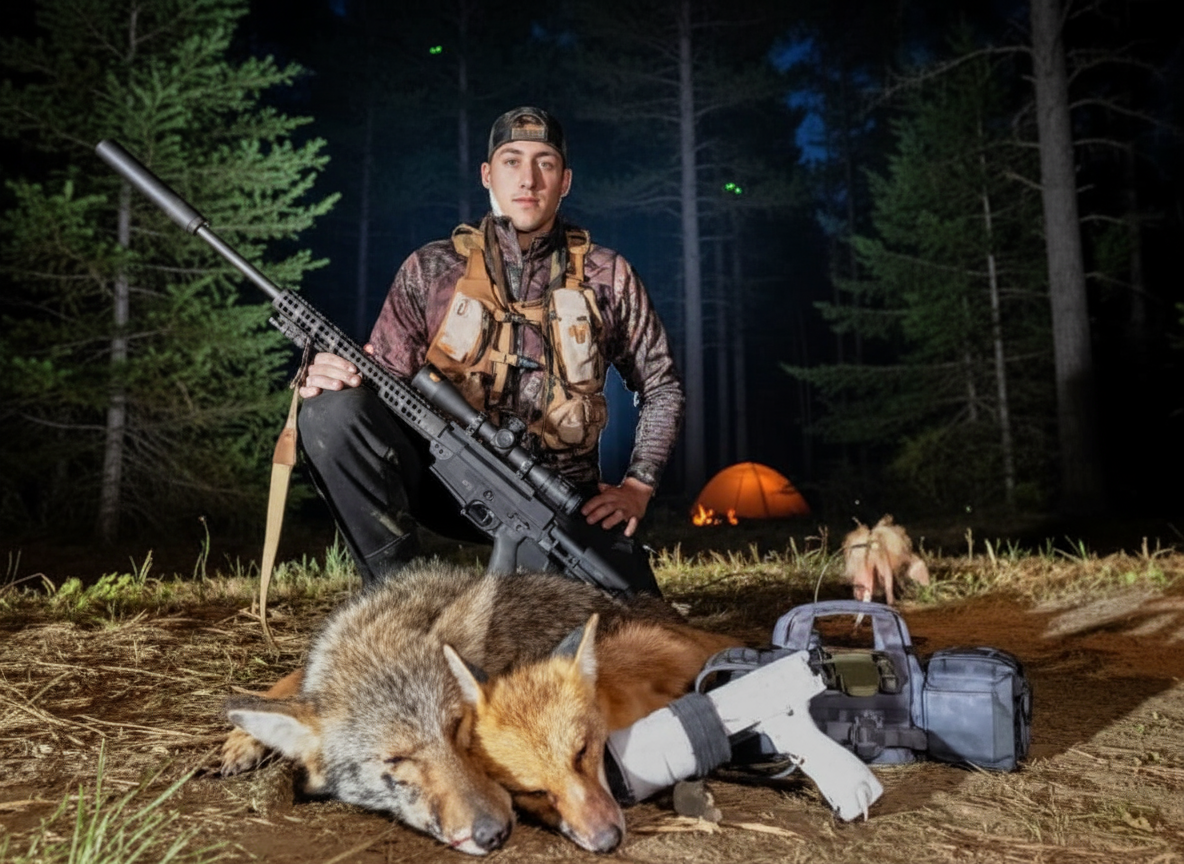
With moderate winds (10 mph), expect about 3–5 inches of drift for the .223 at 300 yards.
The .22-250 may drift slightly less due to its higher velocity but still requires accounting for wind effects.
The .243 could drift similarly but may require further compensation due to its heavier bullet weight.
Understanding how wind interacts with each caliber helps you make real-time adjustments when taking shots at coyotes.
Gear selection for nighttime coyote hunting
In addition to selecting a caliber, gear plays an integral role in your success when hunting coyotes at night. Here are some key components you should consider:
Optics
Good optics are essential for spotting coyotes in low-light conditions. Look for features such as:
Magnification: A variable power scope (e.g., 3–9x or 4–12x) allows flexibility in identifying targets at varying distances.
Objective lens size: Larger objective lenses (e.g., 40mm or greater) allow more light transmission for better visibility in dim lighting.
Reticle type: Illuminated reticles can aid in target acquisition during dark conditions.
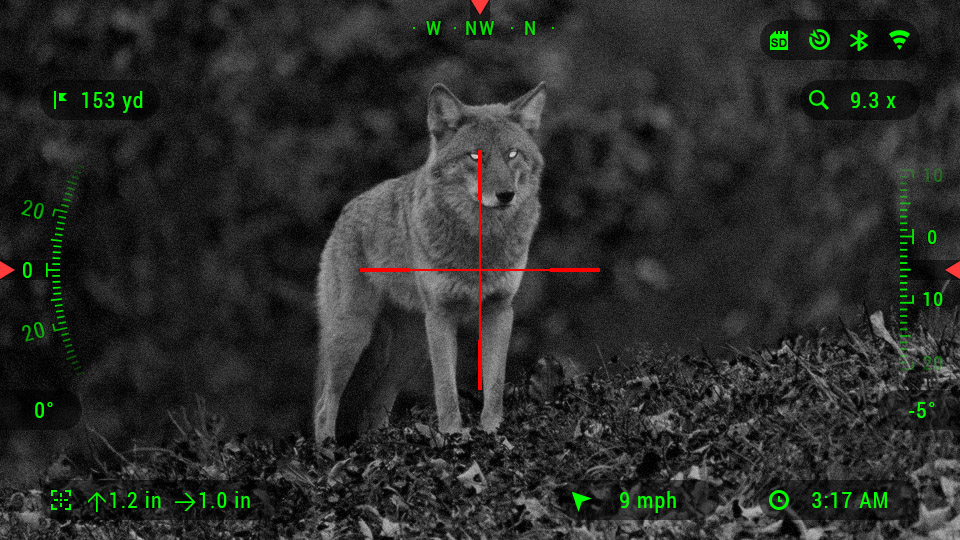
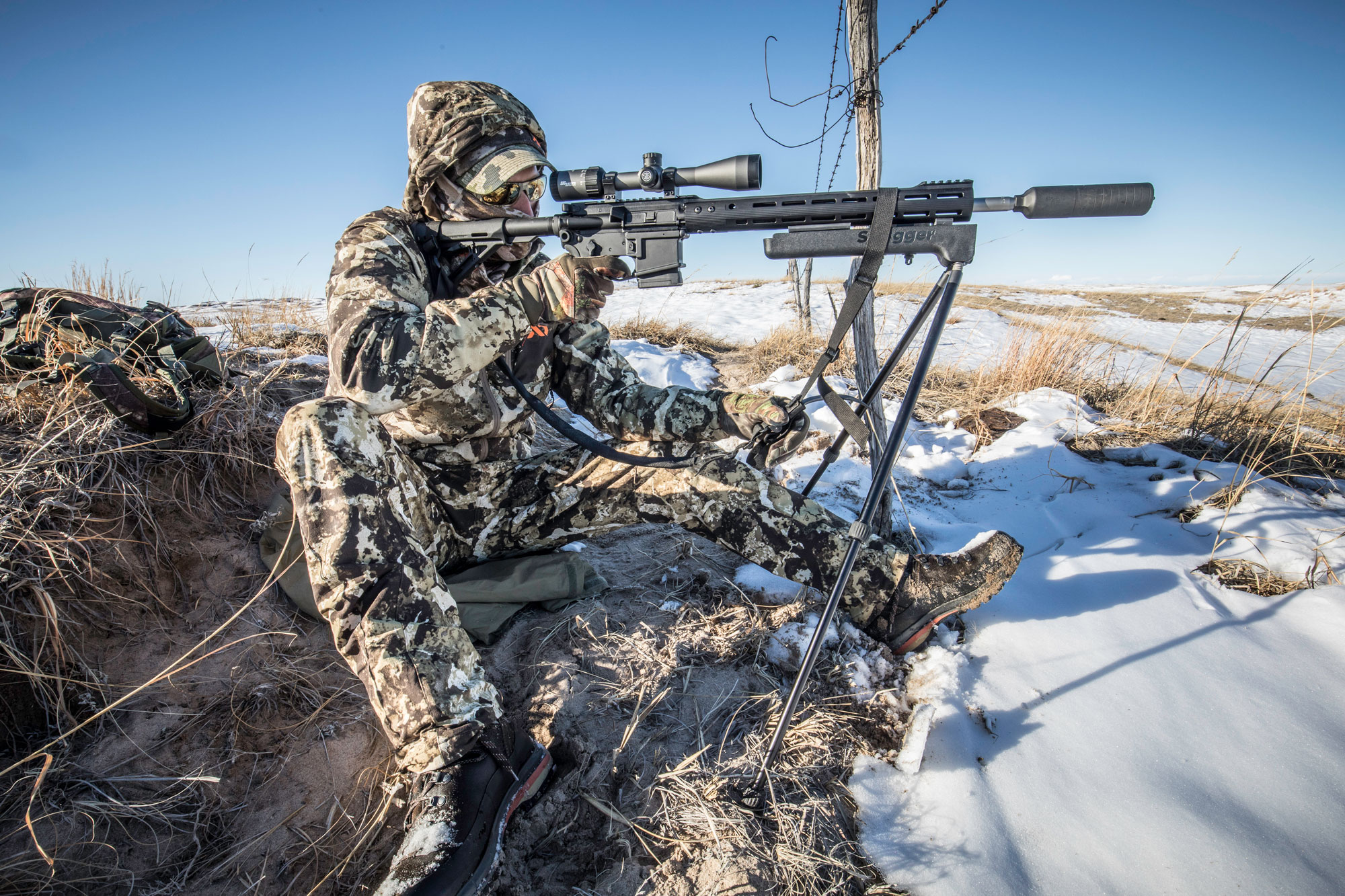
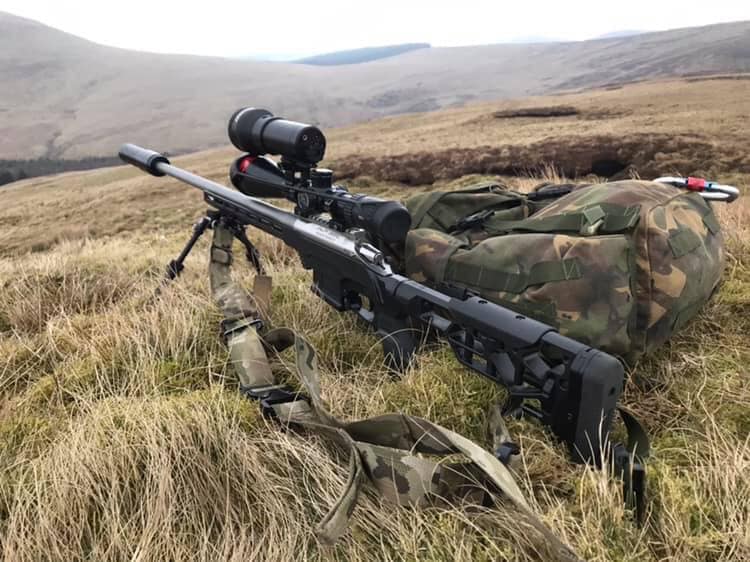
A rifle fitted with a night vision scope, essential for coyote hunting at night, allowing hunters to identify targets in dark environments.
Suppressors
Using suppressors not only reduces noise but also minimizes recoil. This can greatly enhance your ability to take follow-up shots if necessary. Make sure you check local regulations regarding suppressor usage while hunting.
Lights
A quality flashlight or weapon-mounted light is crucial for identifying targets and navigating through darkness. Consider lights with adjustable brightness settings and long battery life for extended hunts.
Calls and decoys
Using electronic calls can attract coyotes effectively during nighttime hunts. Pairing calls with decoys can help draw coyotes closer within range while keeping them focused on the sound rather than your position.
Training corner
To ensure you're fully prepared for your nighttime coyote hunt, here's a simple training drill that focuses on shot placement and follow-up shots:
Set up targets: Use paper targets or steel plates representing coyotes at various distances (100–400 yards).
Practice shooting positions: Alternate between standing, kneeling, and prone positions to simulate different scenarios you may encounter during a hunt.
Time your shots: Use a timer to practice shooting quickly but accurately at each target within a set time limit (e.g., 10 seconds per shot).
Adjust for wind: On windy days, practice compensating for wind by adjusting your aim based on previous experiences or ballistic data.
Follow-up drills: After hitting a target, practice transitioning quickly to another target within range to simulate follow-up shots if needed.
By incorporating these drills into your training regimen, you'll improve your skills and confidence when faced with real-world scenarios during nighttime hunts.
Common mistakes
Even experienced hunters can make mistakes when selecting a caliber for nighttime coyote hunting. Here are some common pitfalls to avoid:
Underestimating distance: Failing to accurately gauge distance can lead to missed shots or poor placement.
Ignoring wind effects: Not accounting for wind drift can result in significant misses when targeting coyotes at longer ranges.
Overlooking energy transfer: Choosing a caliber without considering its terminal performance may lead to unsuccessful kills or wounded animals.
Neglecting training: Failing to practice before a hunt can hinder your ability to make quick decisions under pressure.
Choosing based solely on popularity: Selecting a caliber because it's popular without considering personal preferences or specific needs may not yield optimal results.
Conclusion
Choosing the right caliber for nighttime coyote hunting involves careful consideration of various factors, including distance, ballistics, and personal comfort with recoil management. The .223 Remington, .22-250 Remington, and .243 Winchester each offer distinct advantages that cater to different hunting styles and preferences.
Understanding coyote behavior at night is just as important as selecting the right equipment. By taking the time to prepare properly, whether through training drills or gear selection, you'll increase your chances of success while maintaining ethical standards in your hunting practices.
As you prepare for your next nighttime coyote hunt, remember that safety comes first. Always identify your target before pulling the trigger and adhere strictly to local regulations regarding hunting practices.