Understanding the role of heavy revolvers in personal defense scenarios
When considering personal defense options, heavy revolvers often come up as a solid choice for those seeking reliability, power, and ease of use. In this exploration, we'll focus on the role of heavy revolvers in self-defense situations, addressing their characteristics, practical use, and how they fit into your personal defense strategy.
Heavy revolvers, typically chambered in calibers like .44 Magnum or .45 Colt, offer unique advantages and challenges. Their robust construction can handle powerful cartridges, making them formidable in defensive scenarios. However, the weight and recoil of these firearms also present considerations that shooters need to be aware of. This article will delve into the specifics of heavy revolvers, examining their ergonomics, effectiveness, and how to integrate them into your defense plan effectively.
Characteristics of heavy revolvers
Design and build quality
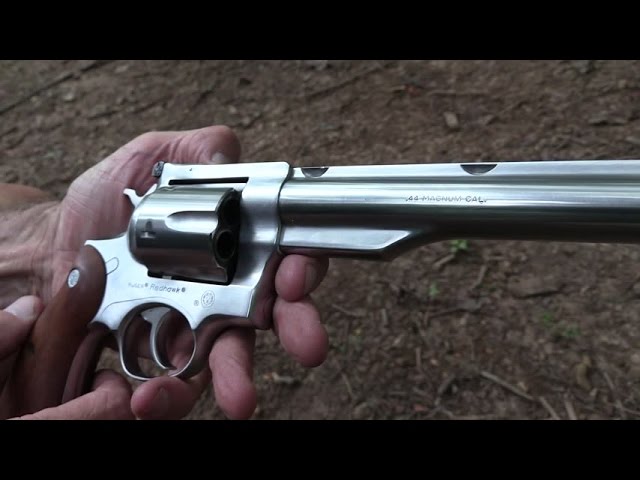
Heavy revolvers are constructed with durability in mind. The frames are often made from steel or aluminum alloy, allowing them to withstand the stresses of high-pressure cartridges. This robustness contributes to their longevity and reliability.
A common design feature is a larger cylinder that accommodates longer cartridges. This design allows for greater powder capacity, resulting in increased muzzle energy. The heft of these revolvers also aids in managing recoil, providing a more stable shooting platform.
Caliber options
Heavy revolvers are generally available in larger calibers that deliver significant stopping power. Here are a few popular choices:
- .44 Magnum: Known for its power and effectiveness in stopping threats, this caliber is a favorite among heavy revolver enthusiasts. Its significant recoil requires practice but offers impressive terminal ballistics.
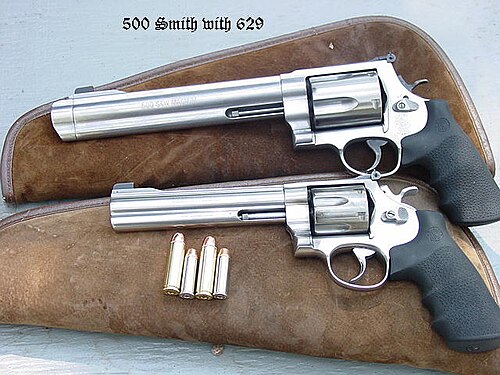
- .45 Colt: A classic choice that balances power and shootability, the .45 Colt is versatile and can be loaded with a variety of bullet types for different applications.
- .357 Magnum: While not as heavy as the others, many consider it a "heavy" option due to its effective stopping power and manageable recoil when fired from a heavier frame.
Weight and balance
The weight of heavy revolvers contributes to their stability during firing. A typical heavy revolver can weigh anywhere from 40 ounces to over 60 ounces unloaded. This added weight helps absorb recoil and aids in follow-up shots. However, it's important to consider how this weight affects carry methods. While some may prefer the weight for stability, others may find it cumbersome for extended carry periods. Finding a balance between comfort and control is key when choosing a heavy revolver for personal defense.
Ergonomics and handling
Grip fit and control layout
Grip size and shape play a crucial role in how well you can manage a heavy revolver. Many models come with rubber or wood grips designed to absorb recoil while providing a secure hold.
Grip circumference: Ensuring that the grip fits comfortably in your hand is essential for managing recoil effectively. A grip that's too large may lead to poor control during rapid fire.
Trigger placement: The placement and weight of the trigger can affect your ability to maintain accuracy under stress. Heavy revolvers often feature single-action or double-action triggers; understanding their operation will help you choose what works best for you.
Recoil management
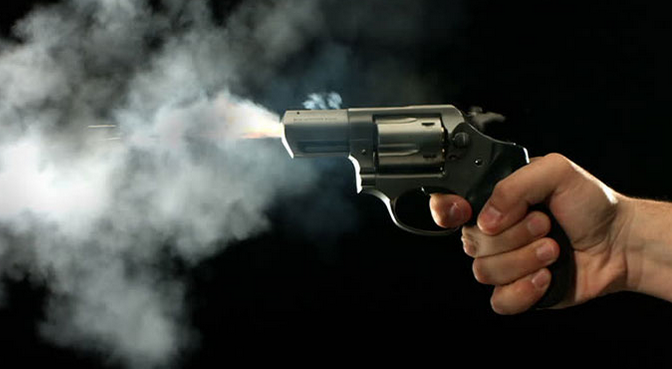
Firing heavy revolvers produces noticeable recoil, especially with powerful cartridges. Here's how to manage it effectively:
Stance: Adopting a solid shooting stance; feet shoulder-width apart, knees slightly bent; can help absorb recoil better.
Grip technique: Maintain a firm grip with both hands. Your dominant hand should hold the revolver firmly while your support hand stabilizes it from below.
Follow-through: Keep your sights aligned even after the shot breaks. This practice helps in managing recoil and preparing for follow-up shots.
Practical use in self-defense scenarios
Situational awareness and decision-making
Before reaching for your revolver, situational awareness is paramount. Understanding your environment and potential threats allows you to react appropriately. Training scenarios can help reinforce these skills.
In a personal defense context, heavy revolvers can serve multiple roles:
Home defense: A heavy revolver can provide an effective means of protection at home due to its stopping power and ease of use.
Open carry: While not the most discreet option for concealed carry, some may choose to openly carry a heavy revolver for deterrence purposes.
Vehicle defense: Keeping a heavy revolver in your vehicle provides peace of mind during travel, but ensure it's stored securely and legally.
Practical drills
To effectively utilize a heavy revolver in self-defense situations, regular training is necessary. Here's a drill you can practice:
Target transition drill
Setup: Place two targets at varying distances (e.g., 7 yards and 15 yards).
Procedure:
Start at a low-ready position.
On command, draw and fire one shot at the first target.
Transition quickly to the second target and fire one shot.
- Focus on maintaining control through the recoil.
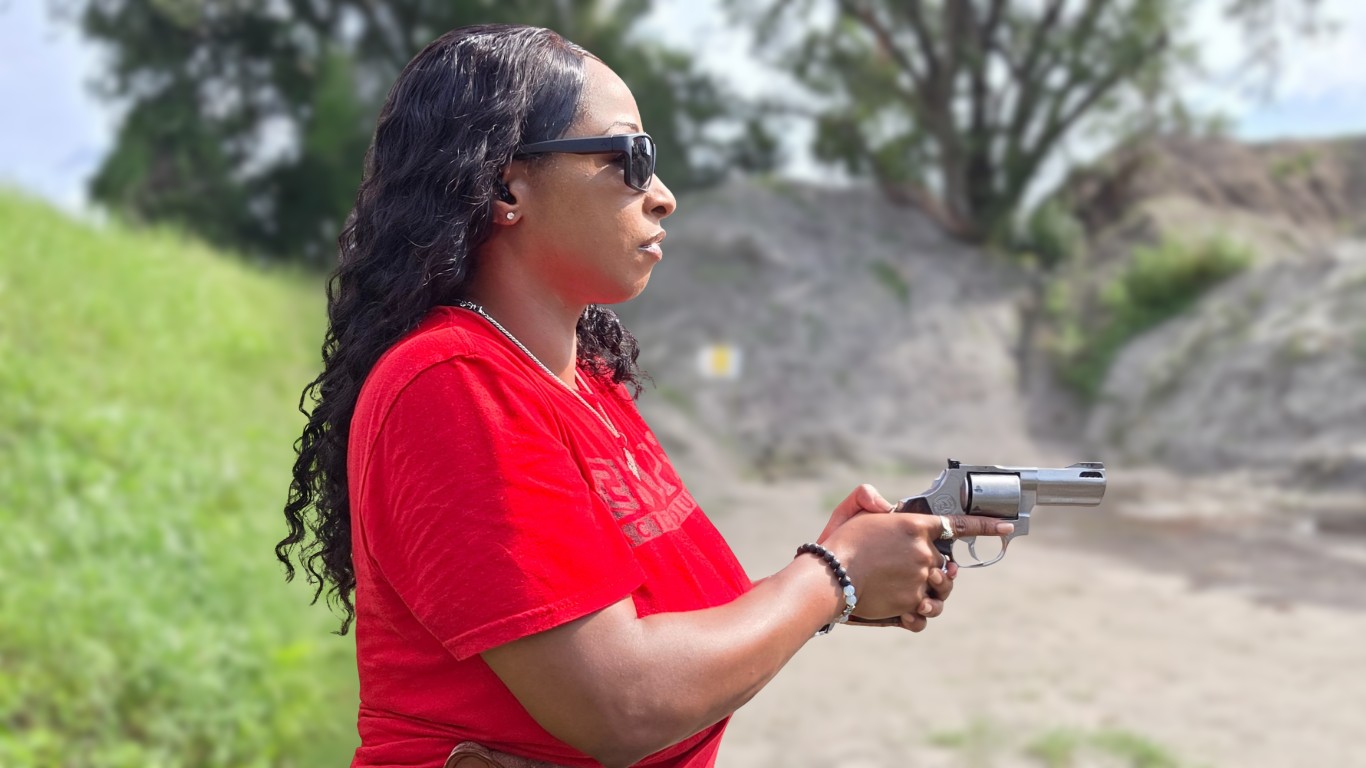
- Assessment: Track your time for each run and note your accuracy on both targets.
Reliability considerations
Heavy revolvers are known for their reliability, particularly because they utilize fewer moving parts than semi-automatic pistols. Regular maintenance is essential to ensure this reliability:
Cleaning: After each range session or carry period, clean your revolver to remove fouling from the cylinder and barrel.
Inspection: Regularly check for wear on components like the extractor and ejector rod to ensure smooth operation.
Concealment options for heavy revolvers
While heavy revolvers can be more challenging to conceal than other firearms, several strategies can help:
Holster selection
Choosing the right holster is critical for both comfort and accessibility. Here are some options:
Shoulder holsters: These allow for comfortable carry under jackets or coats but may require more practice to draw effectively.
Outside-the-waistband (OWB) holsters: They provide easy access but require appropriate cover garments to conceal effectively.
Inside-the-waistband (IWB) holsters: While challenging due to weight, some IWB designs accommodate heavier firearms securely.
Clothing considerations
Opt for clothing that provides adequate coverage without being overly loose or baggy, which can lead to printing (the outline of the gun showing through clothing). A well-fitted shirt or jacket can make a substantial difference in concealment.
Training recommendations
Regular training is essential for building proficiency with your heavy revolver:
Dry-fire practice
Dry-fire practice allows you to work on grip, trigger control, and sight alignment without the expense of ammunition. Here's how to do it safely:
Ensure your firearm is unloaded and pointed in a safe direction.
Practice drawing from your holster and aligning your sights on an imaginary target.
Focus on your trigger press; smoothness is key here.
Live-fire sessions
Incorporate live-fire sessions into your routine to build confidence and familiarity with recoil management. Aim for structured drills that include:
Controlled pairs: Fire two shots at a single target quickly while maintaining accuracy.
Multiple targets: Work on transitioning between multiple targets at varying distances.
Malfunction drills: Practice clearing potential issues like misfires or failure-to-eject scenarios.
Conclusion: integrating heavy revolvers into personal defense
Heavy revolvers offer distinct advantages in personal defense scenarios due to their stopping power and reliability. Understanding their characteristics; like weight, caliber options, and ergonomics; will help you make informed decisions about their role in your defense strategy. Focus on regular training that incorporates both dry-fire and live-fire exercises to build proficiency with your chosen firearm. Remember that situational awareness is just as vital as skill with the gun itself.
Your next steps should involve consistent practice using drills designed specifically for heavy revolvers and assessing how they fit into your lifestyle; whether it's at home, while traveling, or during open carry situations.
By integrating these practices into your routine, you'll be well-prepared to use your heavy revolver confidently when it matters most.