Choosing the Right Bipod for Precision Rifle Shooting: Key Features to Consider
Choosing the right bipod for precision rifle shooting: key features to consider
When it comes to precision rifle shooting, having a solid platform can make a world of difference in your accuracy and consistency. A bipod is one of those essential accessories that can stabilize your rifle, help you manage recoil, and improve your overall shooting experience. But with so many options on the market, how do you choose the right one for your needs? Let's break down the key features you should consider when selecting a bipod.
Understanding bipod basics
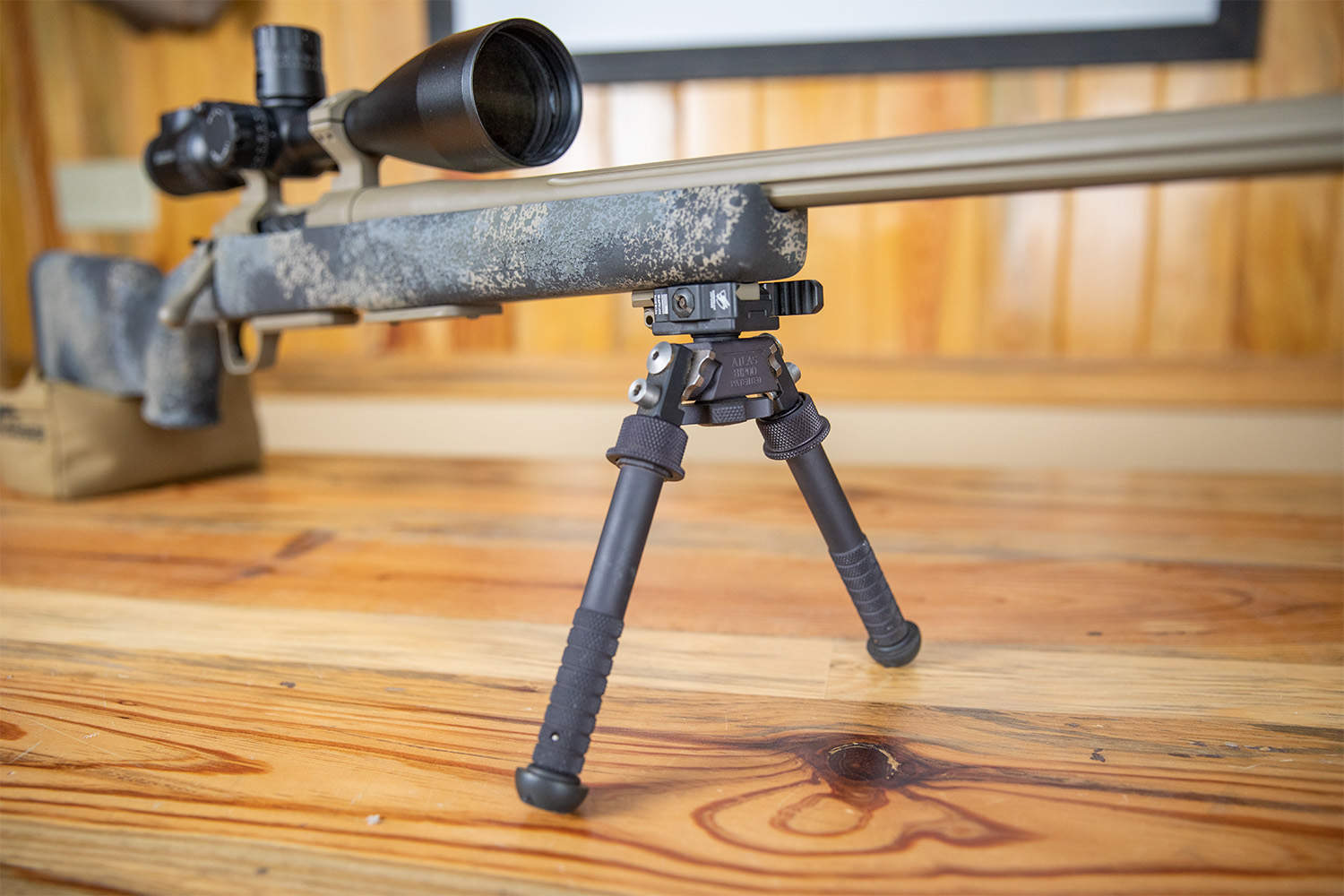
Before diving into specific features, let's clarify what a bipod does and how it affects your shooting. A bipod attaches to the front of your rifle and provides a stable rest for shooting from prone or other low positions. It changes your body dynamics by supporting the rifle's weight, allowing you to maintain a steady aim and reducing muscle fatigue during long shooting sessions.
A well-chosen bipod can improve your cheek weld, which is how your cheek rests against the stock. It can also help you manage the eye box; the space where you can see the full view through your optic without obstruction. The right bipod will contribute to a more comfortable shooting position and help you stay focused on your target.
Key features to consider
1. Height adjustment
One of the most crucial aspects of any bipod is its height adjustment range. Depending on your shooting position and terrain, you may need a bipod that can extend from a low height to accommodate different situations.
Fixed vs. adjustable height: Fixed-height bipods offer simplicity but limit flexibility. Adjustable bipods allow you to set the height based on your specific needs, which is especially useful in uneven terrain or when transitioning between different shooting positions.
Range of motion: Look for bipods that can extend or collapse quickly and easily. Some models feature multiple notches for height adjustment, while others use a twist-lock mechanism for smoother transitions.
2. Stability and weight
The stability of a bipod directly impacts your accuracy. A heavier bipod generally provides better stability but can also add weight to your setup, which might not be ideal for all shooters.
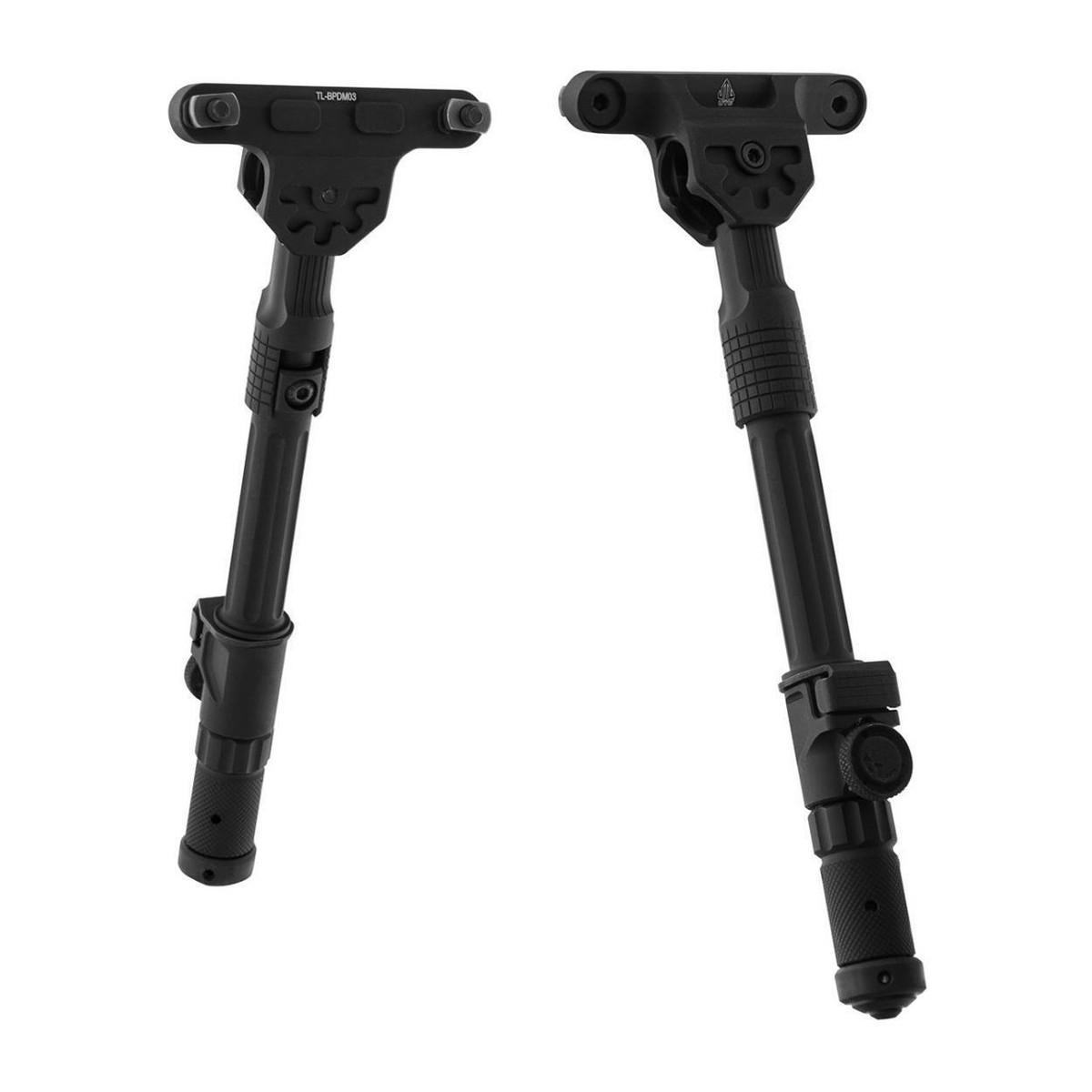
Material matters: Aluminum and carbon fiber are popular materials for bipods. Aluminum tends to be more robust but heavier, while carbon fiber is lightweight and still offers decent stability. Consider what matters most for your shooting style; do you prioritize weight savings, or is stability your main concern?
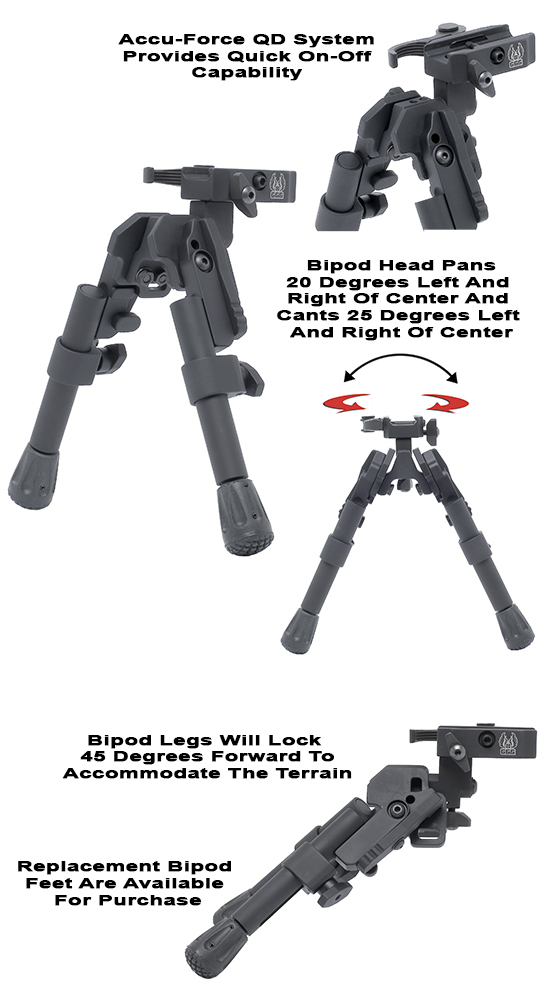
- Footing options: The feet of the bipod play a significant role in stability as well. Rubber feet provide grip on hard surfaces, while spiked feet excel in soft ground. Some models even offer interchangeable feet to adapt to various environments.
3. Pan and tilt capabilities
Being able to pan (move side to side) and tilt (move up and down) adds versatility to your shooting setup. This feature allows you to follow moving targets without having to reposition your entire rifle.
Degrees of movement: Look for bipods that provide a good range of motion in both directions. A model with at least 15 degrees of tilt and pan is generally considered adequate for most applications.
Locking mechanisms: Check how easily you can lock the pan and tilt features in place. You don't want them adjusting unintentionally while you're trying to line up a shot.
Common mistakes when choosing a bipod
Ignoring height requirements: Not considering the typical shooting positions you'll use can lead to a poor fit. Always assess your needs based on where you shoot most often.
Overlooking weight: While a heavier bipod can provide stability, too much weight can become cumbersome during extended use. Find a balance that works for you.
Neglecting attachment methods: Ensure that the bipod is compatible with your rifle's mounting system. Bipods typically attach via a Picatinny rail or a swivel stud; compatibility is essential for stability.
Failing to test before buying: If possible, try out different models in person. Feeling how they adjust, their weight, and how they sit on your rifle can help you make an informed choice.
Fit & feel
When selecting a bipod, pay attention to how it feels when mounted on your rifle. Ideally, it should provide a natural stance without forcing you into an awkward position. Your cheek weld should be consistent, enabling quick target acquisition. The controls for height adjustment, pan, and tilt should be intuitive, allowing for smooth transitions during shooting.
A well-fitted bipod will support your rifle's weight evenly, distributing pressure across your hands and shoulders. You'll notice less fatigue over time, allowing you to focus on maintaining your aim instead of adjusting your position constantly.
Product examples and comparisons
Let's take a look at some popular bipods currently available on the market, focusing on their key features and how they stack up against each other.
Harris S-BRM Bipod
Type: Adjustable height
Material: Aluminum
Height range: 6 to 9 inches
Weight: Approximately 13 oz
Pan/tilt: No
Pros: Durable construction; simple design; reliable stability.
Cons: Limited height adjustment; lacks pan/tilt features.
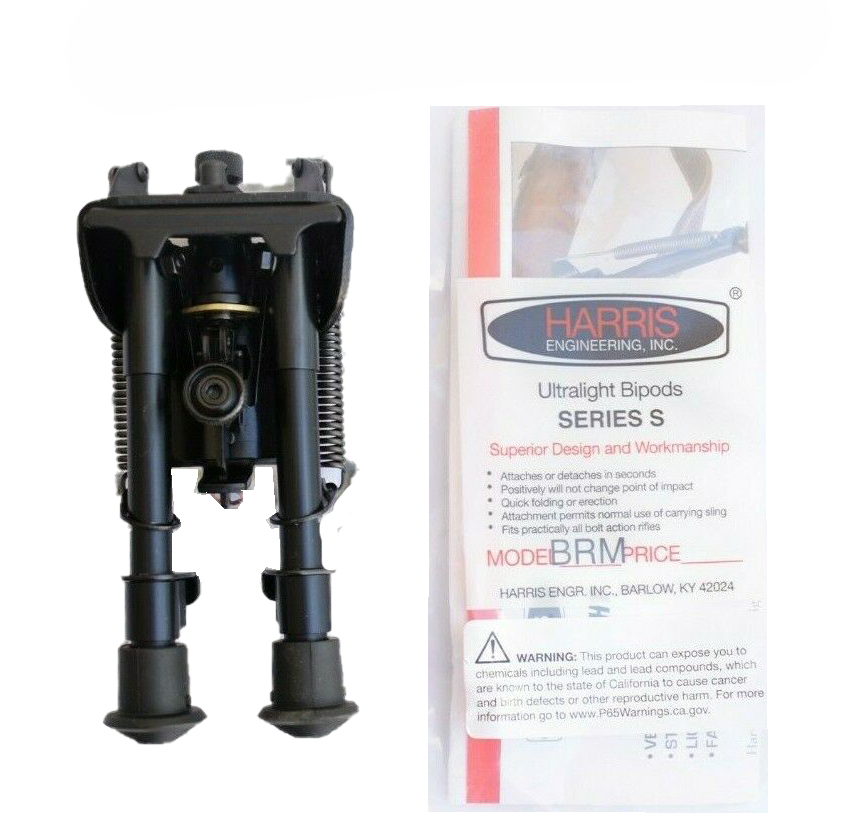
The Harris S-BRM Bipod is a classic choice among precision shooters due to its robust design and straightforward functionality. While it doesn't offer pan or tilt, its adjustable height makes it versatile enough for most prone shooting scenarios.
Atlas BT10 Bipod
Type: Adjustable height
Material: Aluminum
Height range: 5.5 to 9.5 inches
Weight: Approximately 14 oz
Pan/tilt: Yes (15 degrees)
Pros: Excellent stability; pan and tilt capabilities; quick adjustments.
Cons: Slightly heavier than some competitors; higher price point.
The Atlas BT10 Bipod stands out with its impressive range of motion and solid build quality. It's perfect for competitive shooters who need quick adjustments and flexibility while tracking moving targets.
Caldwell XLA Bipod
Type: Adjustable height
Material: Aluminum
Height range: 6 to 9 inches
Weight: Approximately 12 oz
Pan/tilt: No
Pros: Lightweight; budget-friendly; easy setup.
Cons: Lacks advanced features like pan/tilt; lower durability compared to pricier models.
The Caldwell XLA Bipod is an excellent entry-level option that offers good performance without breaking the bank. While it doesn't have the advanced features of higher-end models, it provides reliable stability for casual shooters.
Additional features worth considering
Quick detach systems
Some bipods come with quick detach (QD) systems that allow for fast mounting and dismounting from your rifle. This feature is particularly useful if you need to switch between different setups quickly or if you're using multiple rifles.
Accessories and add-ons
Consider whether the bipod has available accessories that enhance its functionality. Some models offer attachments like cantilever mounts or additional feet options for varied terrain.
Price vs. value
Bipods vary widely in price, so it's essential to weigh cost against the features offered. While higher-end models may seem expensive upfront, their durability and versatility could save you money in the long run by reducing wear on your equipment.
Conclusion
Choosing the right bipod for precision rifle shooting involves evaluating various factors such as height adjustment, stability, pan/tilt capabilities, and material choices. Remember that comfort plays a crucial role in how well you perform at the range or during competitions.
Take the time to assess what you need from your bipod based on your shooting style and environment. Don't hesitate to try different models before making a purchase; feeling how they work with your rifle can make all the difference.
Armed with this knowledge, you're ready to make an informed decision about which bipod will best support your precision shooting efforts. Happy shooting!