
Essential gear prep for a successful spring turkey hunt
Spring turkey hunting offers a unique blend of challenge and excitement. As the sun rises over the landscape, the unmistakable gobble of a tom turkey fills the air, signaling the start of the season. However, successful hunting goes beyond simply buying a tag and heading to your favorite spot. It requires careful preparation and consideration of your gear. This article will focus on the essential gear prep for a successful spring turkey hunt, emphasizing what you need to ensure a rewarding experience.
Understanding the spring turkey hunt
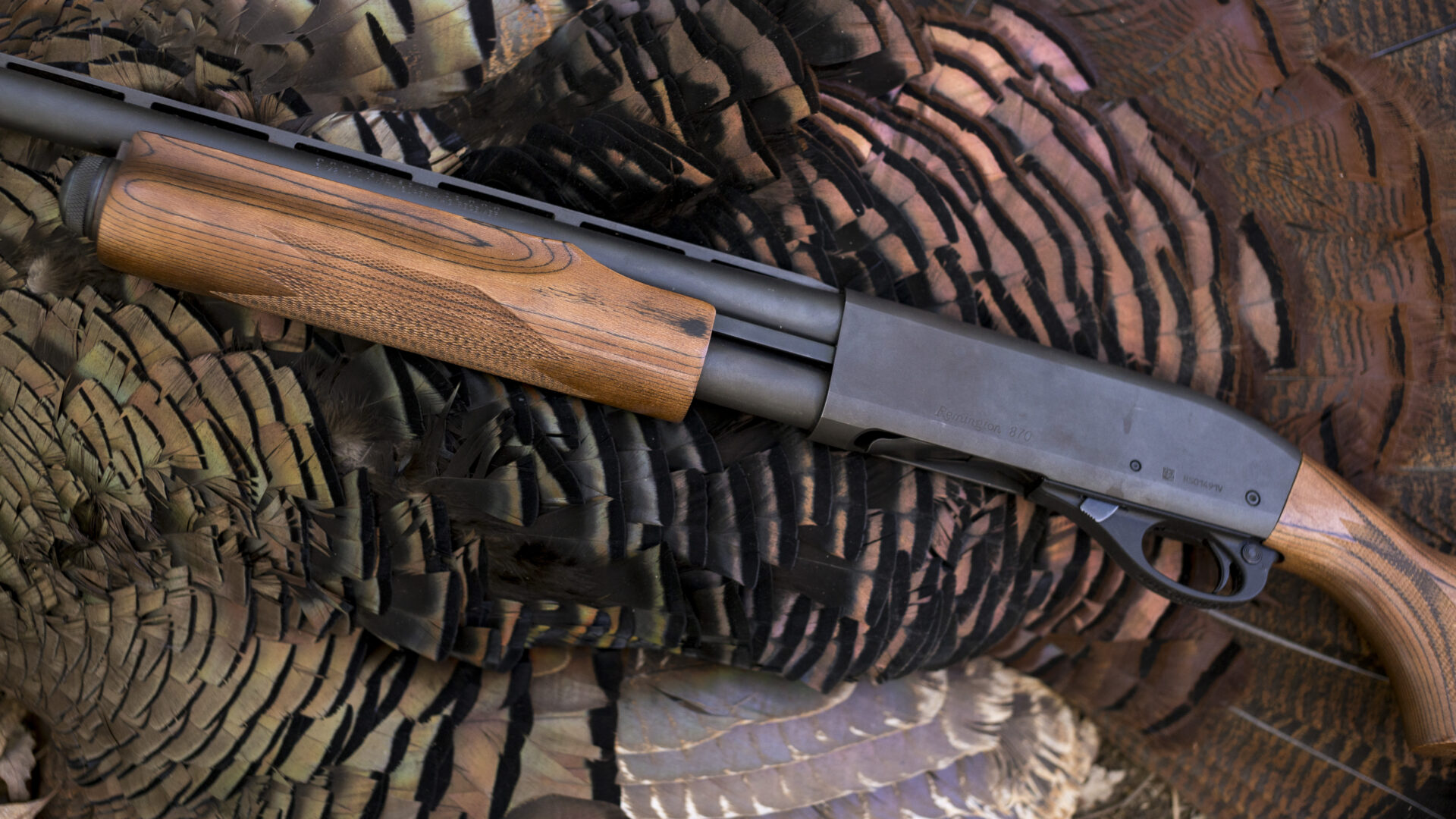
Before diving into gear specifics, it's important to understand the context of spring turkey hunting. Turkeys are often vocal during this time, making it easier to locate them. However, they also have keen eyesight and are easily spooked. The combination of these factors means that preparation is crucial. You want to be stealthy, comfortable, and ready for various scenarios that could present themselves in the field.
Key decisions to make
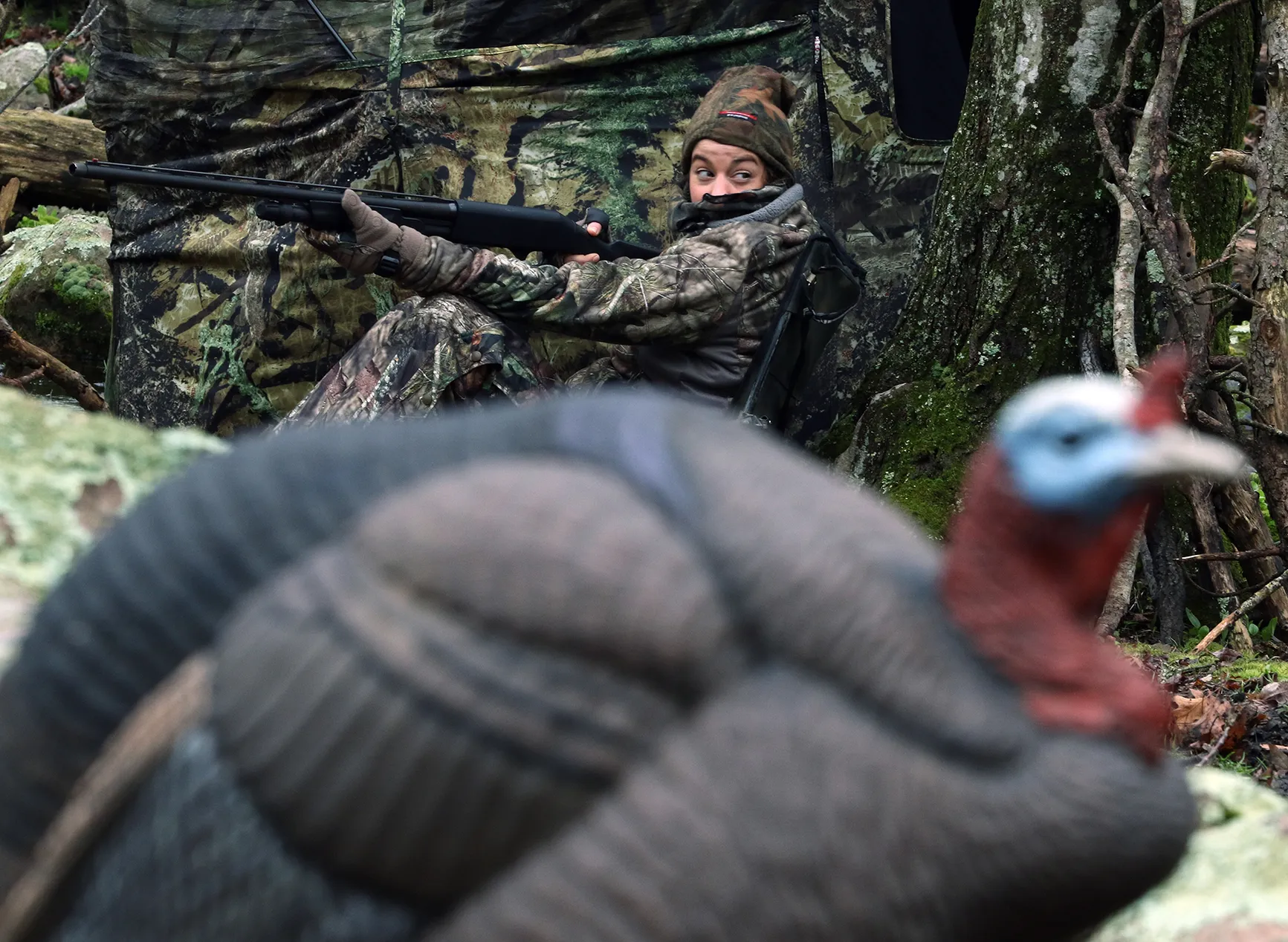
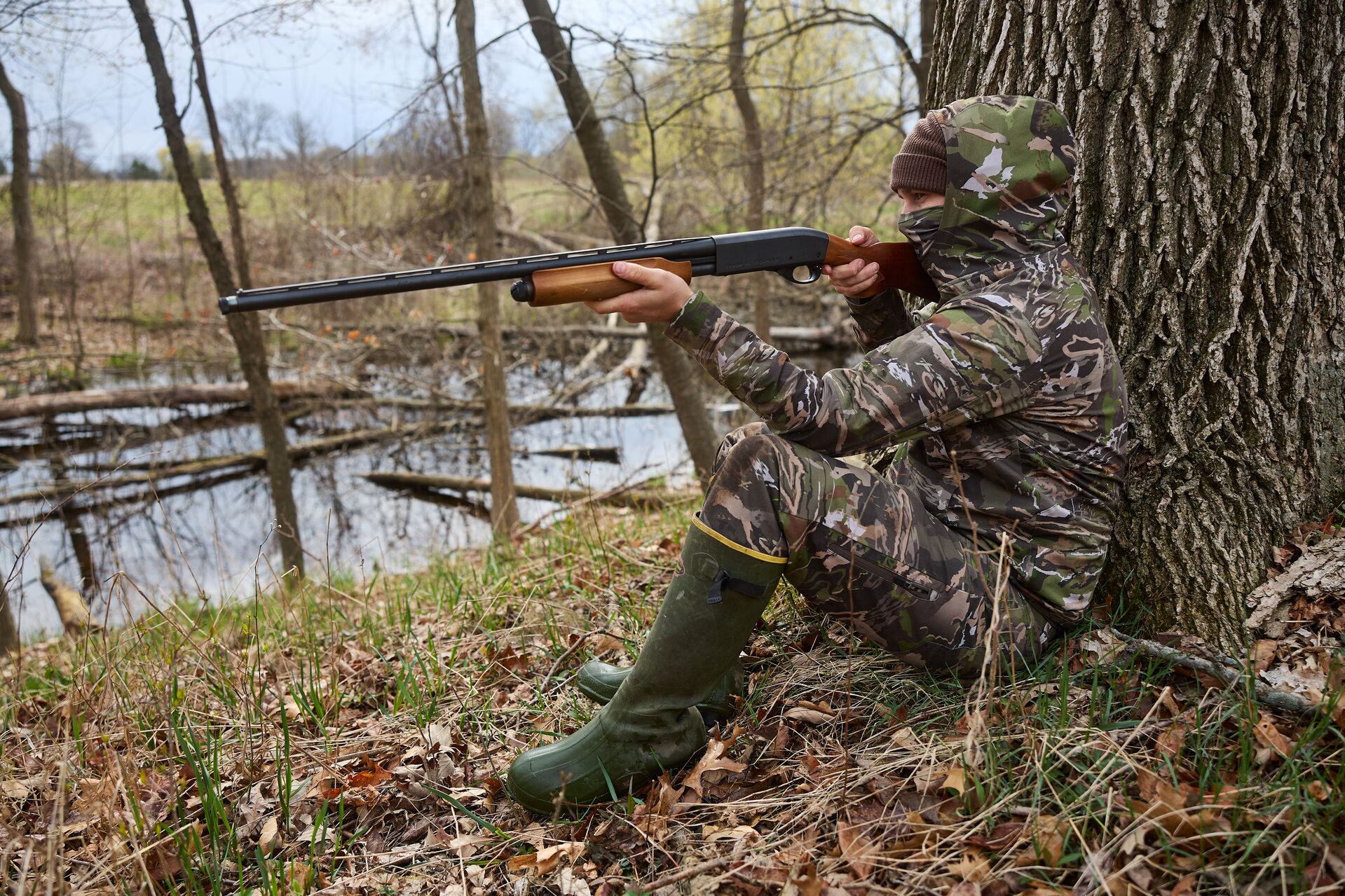
When gearing up for a spring turkey hunt, consider these key decisions:
Timing: Early morning is typically when turkeys are most active. Planning your outing around this can maximize your chances.
Location: Understanding where turkeys roost and feed will help you select your hunting spot effectively.
Calling techniques: Familiarizing yourself with different calls and when to use them can be the difference between success and frustration.
Your gear choices will directly impact your ability to navigate these factors effectively.
Essential gear checklist
Here's a streamlined checklist to guide your gear preparation:
Firearm or bow: Ensure your shotgun or bow is suited for turkey hunting.
Ammunition or arrows: Choose appropriate loads or broadheads for turkeys.
Camouflage clothing: Wear layers that blend into the environment.
Turkey calls: Invest in a variety of calls, such as box calls or mouth calls.
Decoys: Consider bringing decoys to attract turkeys into shooting range.
Safety gear: Don't forget your blaze orange vest for visibility when moving.
Field tools: A good knife, game bags, and other tools for processing.
Training Corner
To ensure you're comfortable with your gear and techniques, set aside time at the range before your hunt. Here's a simple drill:
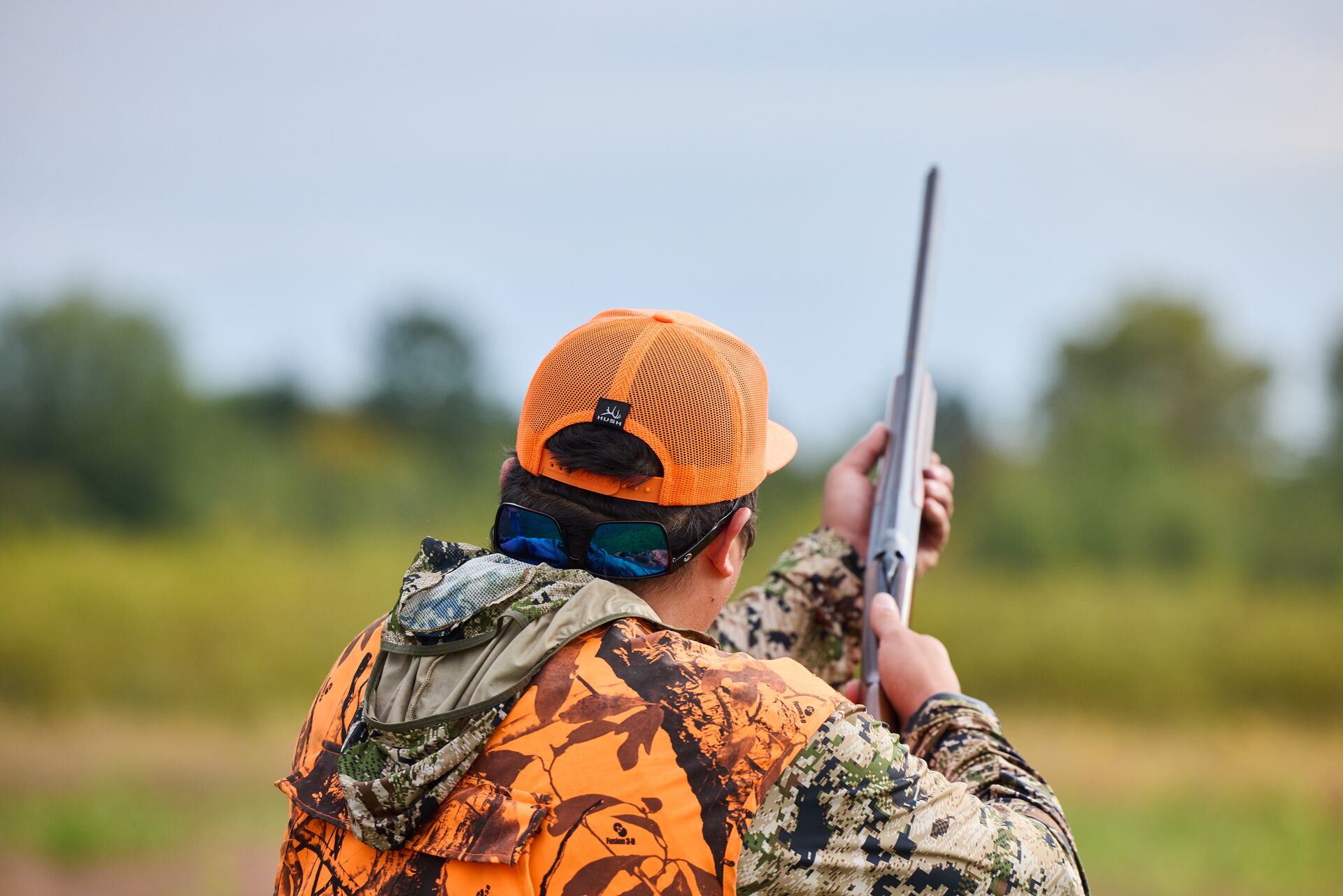
Shooting practice: Set up targets at various distances (10, 20, and 30 yards). Practice both standing and seated positions, simulating how you might shoot in the field.
Calling practice: Spend time practicing with your turkey calls. Get familiar with the different sounds and when to employ them.
Decoy setup: Practice setting up your decoys in various configurations to understand how they attract turkeys.
This preparation will help you feel more confident and ready when you're in the field.
Firearm or bow selection
Choosing the right firearm or bow for turkey hunting is critical. Most hunters opt for shotguns due to their versatility and effectiveness at close range. If you prefer archery, ensure your setup is optimized for accuracy.
Shotgun considerations
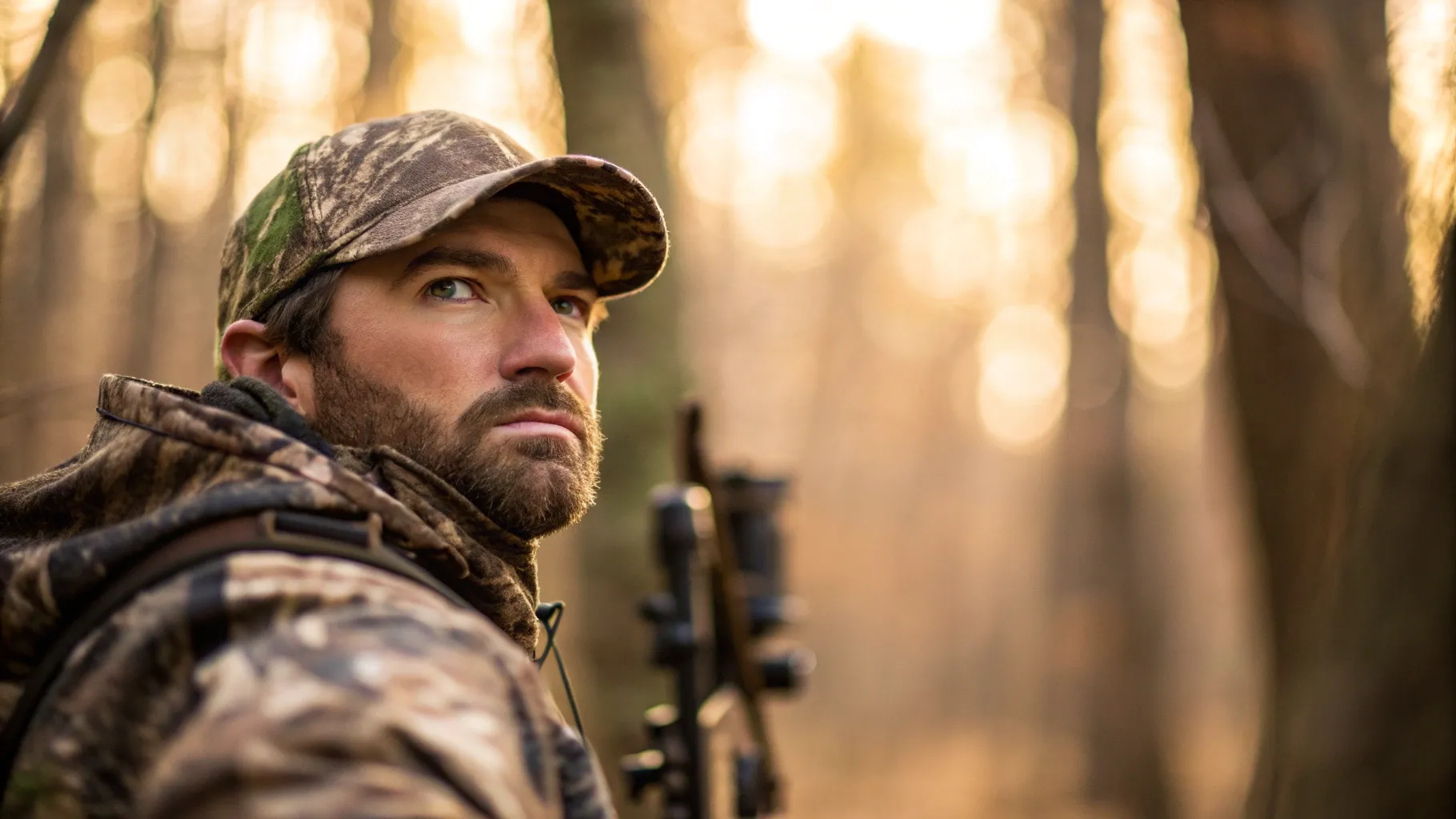
For shotguns, consider:
Gauge: The 12-gauge is widely popular, but 20-gauge shotguns can be effective with lighter recoil.
Choke tube: A full choke or turkey choke will provide tighter shot patterns necessary for consistent hits on turkeys.
Ammunition: Look for loads specifically designed for turkeys, such as those with No. 4, 5, or 6 shot.
Bow considerations
If you choose a bow:
Draw weight: Ensure it's appropriate for your strength and capable of delivering enough energy to penetrate a turkey's tough exterior.
Broadheads: Fixed-blade broadheads are often recommended for their reliability and performance.
Camouflage clothing
Staying concealed from sharp-eyed turkeys is essential. Invest in quality camouflage clothing that breaks up your outline against natural surroundings.
Layering system
A layering system is essential for comfort during unpredictable spring weather:
Base layer: Choose moisture-wicking materials to keep you dry.
Mid layer: Insulating layers like fleece add warmth without bulk.
Outer layer: A waterproof jacket protects against rain while providing additional camouflage.
Make sure your clothing is quiet; rustling fabrics can easily alert turkeys to your presence.
Turkey calls
Having a variety of turkey calls can significantly enhance your chances of success. Different calls serve different purposes throughout the hunt.
Types of calls
Box calls: These are user-friendly and produce realistic sounds. They're particularly effective for beginners.
Pot calls: These involve striking a surface with a striker to produce sounds. They offer versatility in tone and volume.
Mouth calls: These require practice but allow hands-free calling, which can be advantageous when holding your weapon.
Practice makes perfect
Spend time practicing with each type of call before heading out. Understand the sounds associated with different turkey behaviors, like yelps, clucks, and purrs, and when to use them during your hunt.
Decoys
Using decoys can increase your chances of drawing in turkeys within shooting range. They can help create a more convincing scene that entices toms to approach.
Choosing decoys
When selecting decoys, consider:
Realism: Opt for lifelike models that mimic actual turkey behavior.
Types: A combination of hen and jake (young male) decoys can be effective in attracting toms.
Portability: Ensure your decoys are lightweight and easy to transport.
Setup strategy
Plan your decoy placement carefully based on the terrain and expected turkey movement patterns. Experiment with different setups during practice sessions to see what works best.
Safety gear
Safety should always be a priority while hunting. While camouflage is crucial for blending in with the environment, visibility is equally important when moving through the woods.
Blaze orange
Wearing blaze orange while moving or at times when you're not actively calling or waiting can prevent accidents with other hunters. Many states require wearing blaze orange during certain hunting seasons, so check local regulations.
Field tools
Having the right tools in your pack can make processing game easier after a successful hunt.
Essential tools
Knife: A sharp knife is essential for field dressing turkeys quickly and efficiently.
Game bags: These help keep meat clean and protected from the elements during transport.
First aid kit: Always carry a basic first aid kit for emergencies.
Common mistakes
Even experienced hunters can fall prey to common pitfalls that hinder success during spring turkey hunts. Here are some common mistakes to avoid:
Failing to scout ahead of time: Knowing where turkeys roost and feed can dramatically improve your chances.
Overcalling or undercalling: Finding the right balance in calling can be challenging; practice will help refine this skill.
Ignoring wind direction: Turkeys have an acute sense of smell; always consider wind direction when setting up.
Not being patient enough: Sometimes it takes time for turkeys to respond; patience is key.
Carrying too much gear: Streamline your pack to only include essentials to maintain mobility.
Preparing mentally
Mental preparation is just as vital as physical preparation. Anticipating challenges and scenarios can help you stay calm and collected in the field.
Visualization techniques
Before your hunt, visualize yourself encountering various situations, whether it's spotting a turkey or executing a shot. This mental rehearsal can build confidence.
Setting realistic expectations
Understand that not every hunt will end in success. Setting realistic expectations will help you appreciate the experience itself rather than solely focusing on filling tags.
Conclusion
Preparing gear effectively for a spring turkey hunt can greatly enhance your chances of success while ensuring safety and comfort in the field. By carefully considering firearm options, clothing choices, calling techniques, and gear essentials, you set yourself up for an enjoyable experience.
Remember that successful hunting combines knowledge, skill, and preparation with respect for wildlife and ethical practices. With careful planning and execution, you'll be ready to take on the challenges of spring turkey hunting confidently.