
Scenario-based training: engaging home defense drills for realism
Home defense is a critical focus for many responsible gun owners. It's not just about having the right tools; it's about being prepared to use them effectively in high-stress situations. This article will cover scenario-based training drills that enhance your readiness for potential home defense encounters. We will focus on practical, realistic scenarios that can be integrated into your training regimen, whether at an indoor range, outdoor bay, or even during dry-fire sessions at home.
Understanding the importance of scenario-based training
Scenario-based training simulates real-life situations where you may need to respond quickly and effectively. This type of training emphasizes decision-making, situational awareness, and the ability to act under pressure. The goal is to prepare you for the unpredictability of a home invasion or other emergency situations.
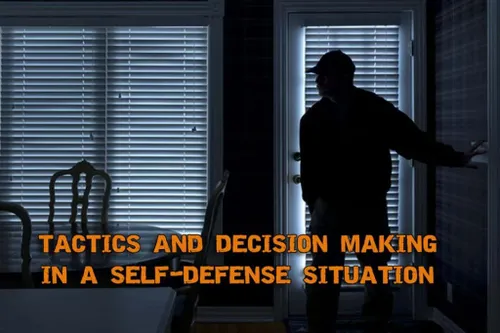
Realism in training leads to improved retention of skills and better performance under stress. You want to train as you would fight. While static target practice has its place, engaging in dynamic drills that mimic potential threats will enhance your ability to respond effectively.
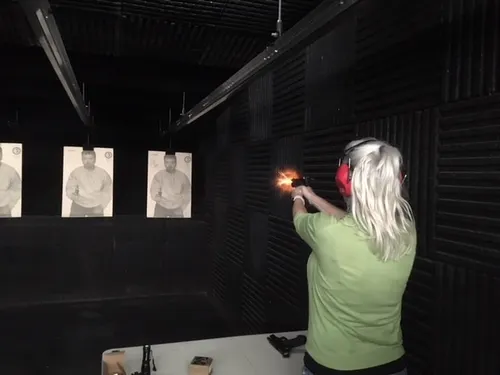
Success in these drills looks like making accurate hits on target while navigating obstacles, all within a set time frame. Your focus should be on speed, accuracy, and decision-making.
Drill 1: Room clearing basics
Overview
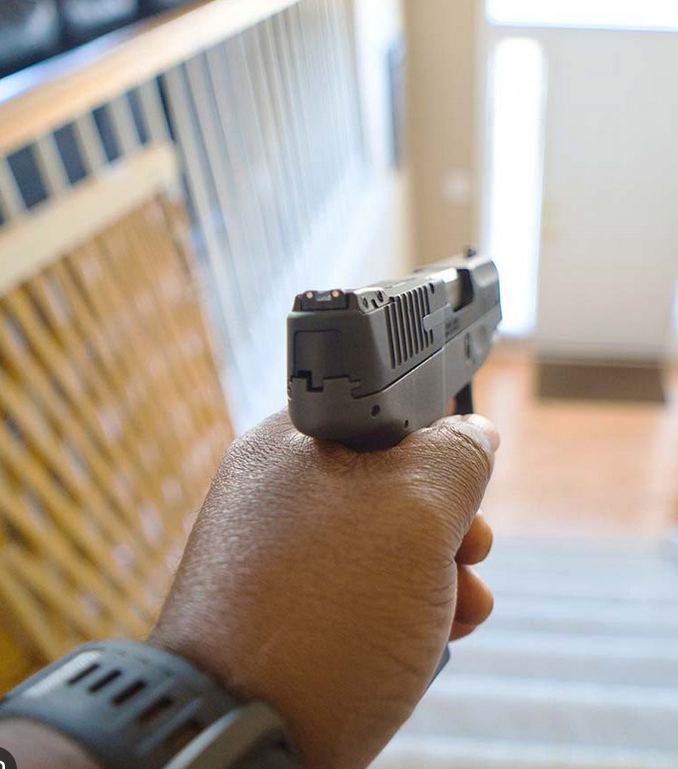
Room clearing is a fundamental skill for any home defense scenario. This drill will help you practice moving through spaces, identifying threats, and making decisions about when and how to engage.
Setup
Distance: 0-10 yards (adjust based on available space)
Target: Use an IPSC silhouette or similar target representing a potential threat.
Rounds: 5-10 rounds per run
Par time: 15 seconds for a full clearance
Execution
Start position: Begin outside the room with your firearm holstered.
Entry: Move into the room quietly, using proper footwork. Stay low if necessary.
Scanning: As you enter, scan for threats. Identify the target area.
Engagement: If you see a threat, quickly engage the target with controlled shots.
Exit: After engaging, exit the room and prepare for a second run.
Common mistakes
Poor footwork: Ensure you are moving smoothly and quietly. Practice gliding rather than stomping.
Failure to scan: Always scan the entire room before engaging. Look for additional threats.
Rushing shots: Focus on accuracy first. Speed will come with practice.
From the Bench
To improve your scanning technique, practice dry-firing while moving around your home. Use furniture as obstacles and visualize potential threats in each room.
Drill 2: Engaging multiple targets
Overview
In a home defense scenario, there may be multiple threats to address simultaneously. This drill focuses on transitioning between targets quickly and accurately.
Setup
Distance: 7-15 yards
Targets: Set up two or three silhouettes at varying angles.
Rounds: 6 rounds total (2 per target)
Par time: 10 seconds for all targets
Execution
Start position: Stand facing away from the targets with your firearm holstered.
Draw and engage: On the signal, draw your firearm and engage the first target with two shots.
Transition: Move to the next target, ensuring you maintain good sight alignment and trigger control.
Repeat: Continue to transition through all targets until you've engaged each one.
Common mistakes
Slow transitions: Work on your grip and stance to facilitate faster transitions between targets.
Over-reliance on sights: Trust your instincts and practice shooting with both eyes open for better situational awareness.
Inconsistent follow-through: Ensure you are maintaining your grip and stance after each shot for more controlled follow-up shots.
Drill 3: Low-light engagements
Overview
Many home invasions occur after dark, making low-light shooting skills essential. This drill will help you practice engaging targets in low-light conditions.
Setup
Distance: 5-10 yards
Target: An IPSC silhouette or similar target
Rounds: 5 rounds
Par time: 20 seconds (include time to activate light)
Execution
Start position: Begin in a ready position with a flashlight in your support hand.
Activate light: Illuminate the target area before drawing your firearm.
Engage the target: After identifying the threat, draw and engage with controlled shots.
Assess: After firing, scan your environment again before holstering.
Common mistakes
Poor light management: Practice using a flashlight technique that allows you to illuminate while maintaining control of your firearm.
Failure to assess after shooting: Always check your surroundings post-engagement before deciding your next move.
Rushing shots without proper identification: Ensure you have positively identified your target before firing.
From the Bench
When practicing low-light drills, use a partner to simulate scenarios where they may move or change positions. This adds realism and variability to your training.
Drill 4: Decision-making under stress
Overview
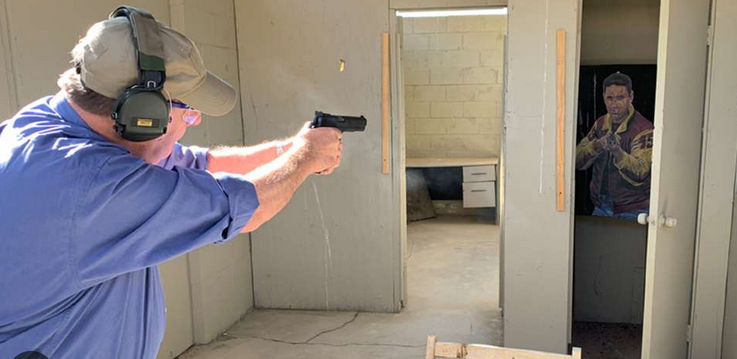
The ability to make quick decisions under stress is vital in a home defense situation. This drill incorporates decision-making elements with physical movement.
Setup
Distance: 5-15 yards
Target: Use two different colored targets (e.g., red for threat, green for non-threat).
Rounds: 6 rounds total (3 per target)
Par time: 12 seconds
Execution
Start position: Stand behind a barricade or cover at the designated distance.
Engagement rules: On the signal, one target will be designated as a threat (e.g., red) and another as non-threat (e.g., green).
Decide and engage: Quickly identify which target is the threat and engage it with three shots while avoiding the non-threat.
Common mistakes
Indecision under pressure: Practice quick mental processing by running this drill repeatedly until identifying threats becomes second nature.
Inaccurate shooting due to haste: Focus on maintaining accuracy despite the time pressure.
Failing to communicate with partners (if applicable): If practicing with others, establish clear communication about roles and expectations before starting.
Drill 5: Active shooter response
Overview
This drill prepares you for an active shooter scenario that could extend beyond your home but might require immediate action within your residence.

Setup
Distance: Variable based on available space; typically 10-25 yards
Target: Use multiple targets representing threats at various angles.
Rounds: 10 rounds total
Par time: 30 seconds
Execution
Start position: Be prepared at a designated location with firearm holstered.
Engage targets based on threat level: On the signal, engage targets while assessing their positioning and behavior.
Prioritize engagement based on perceived threat: For instance, if one target is moving toward you while another is stationary, prioritize accordingly.
Common mistakes
Not assessing movement patterns of targets: Always observe how targets behave before deciding whom to engage first.
Failure to maintain cover: Use available cover effectively while engaging targets.
Inconsistent shot placement: Focus on aiming for center mass while ensuring you have identified each threat correctly.
Drill checklist
Here’s a quick checklist for setting up these scenario-based drills:
Room clearing basics:
Distance: 0–10 yards
Target: IPSC silhouette
Rounds: 5–10
Par time: 15 seconds
Engaging multiple targets:
Distance: 7–15 yards
Targets: Two or three silhouettes
Rounds: 6 total
Par time: 10 seconds
Low-light engagements:
Distance: 5–10 yards
Target: IPSC silhouette
Rounds: 5
Par time: 20 seconds
Decision-making under stress:
Distance: 5–15 yards
Targets: Two different colored targets
Rounds: 6 total
Par time: 12 seconds
Active shooter response:
Distance: Variable (10–25 yards)
Targets: Multiple threats at various angles
Rounds: 10 total
Par time: 30 seconds
Conclusion
Scenario-based training is crucial for developing effective home defense skills. Each drill emphasizes different aspects of situational awareness, decision-making, and accuracy under pressure. Regular practice of these drills will prepare you for real-life situations where every second counts.
Start small and increase complexity as you become more comfortable with each drill. Track your progress by logging times, hit counts, and any adjustments made during practice sessions. By focusing on realistic scenarios, you'll enhance your readiness and confidence when it matters most.