Techniques for effective wind reading in long-range shooting
Long-range shooting presents unique challenges, and one of the most critical factors affecting accuracy is wind. Understanding how to read the wind can be the difference between a hit and a miss, particularly at distances beyond 600 yards. This article delves into effective techniques for wind reading specifically tailored for PRS-style stages and unknown distance events, focusing on distances from 600 to 1,000 yards.
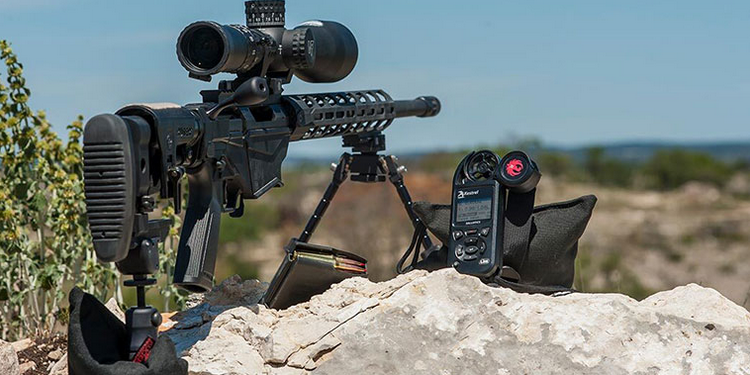
As you prepare for your next match or training session, keep in mind that wind is rarely constant. It can shift in speed and direction, often changing as it travels from the muzzle to the target. This variability makes it essential to develop a systematic approach to reading wind conditions.
Understanding wind dynamics
Before diving into techniques, let's clarify some basic concepts related to wind reading:
Full-value wind: This refers to wind coming directly from the side, which has the most significant impact on bullet trajectory.
Half-value wind: Wind that comes at an angle (typically 45 degrees) is considered half value and has a lesser effect on drift.
Wind speed: Measured in miles per hour (mph) or meters per second (m/s), knowing the wind speed helps estimate drift.
Value adjustments: When calculating corrections, understanding how much wind affects your specific load is crucial.
For example, if you're shooting a .308 with a 175-grain bullet traveling at approximately 2,700 feet per second (fps) at a distance of 800 yards, a full-value wind of 10 mph will push your bullet about 1.2 mils to the right. This calculation assumes standard conditions and may vary based on environmental factors like temperature and humidity.
Building your wind model
To effectively read the wind, you must build a wind model based on observable conditions. Here's how:
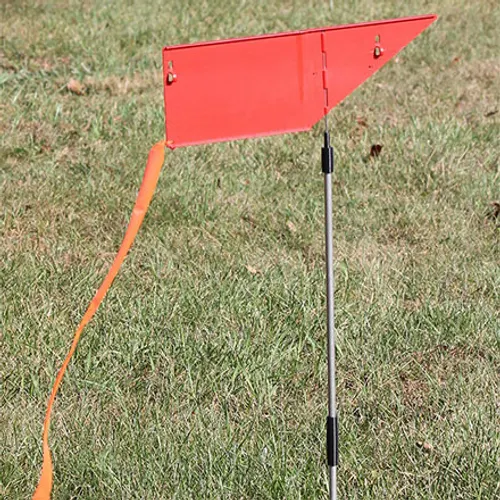
Use flags and vegetation: Pay attention to any flags or natural indicators like grass or trees. These can provide visual cues about wind direction and speed. Flags can show shifts in wind direction, while grass can indicate the wind's strength.
Observe mirage: Mirage occurs when heat waves distort your view through the scope. It can reveal wind direction and speed. A steady mirage indicates consistent wind, while varying mirage suggests changing conditions.
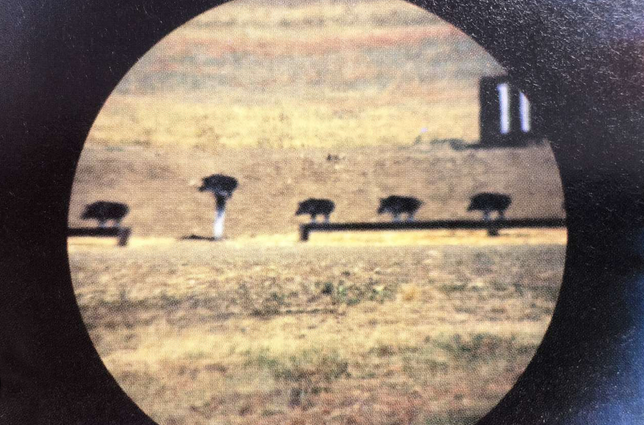
Check multiple points: Wind can vary dramatically over short distances. Observe conditions at various points along your shooting line and at your target.
Estimate distance and speed: Once you have a visual understanding of the wind, estimate its speed. A general rule of thumb is that if flags are fully extended, it could be around 10 mph; if they're fluttering lightly, it might be closer to 5 mph.
Worked example: Calculating wind holds
Let's walk through an example using a .308 Winchester with a 175-grain bullet traveling at 2,700 fps. You're shooting at a target 800 yards away with a full-value wind of 10 mph.
Determine your lateral drift: At 800 yards, a full-value wind of 10 mph typically results in about 1.2 mils of drift.
Adjust for half-value winds: If the wind is at a 45-degree angle (half value), you would take half of that adjustment, resulting in about 0.6 mils.
Final correction: If your target is on the right side of your point of aim, you would dial in or hold 1.2 mils right for full value or 0.6 mils right for half value.
The importance of time management
In competitive settings, time management is as critical as reading the wind accurately. You must balance observing conditions with executing shots within time limits.
Prioritize your observations: Identify key indicators first, flags and mirage, before moving to more subtle cues.
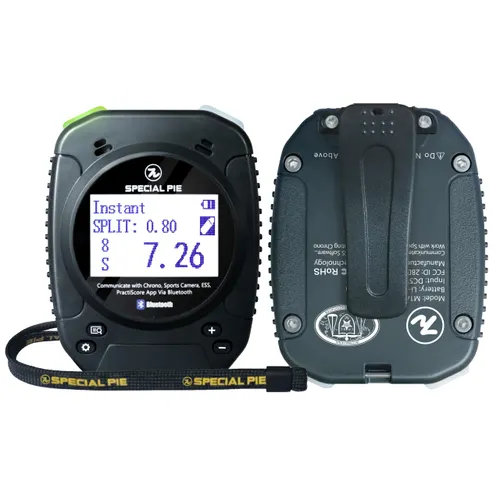
Set a timer: If you're practicing, use a timer to simulate match conditions. Allocate specific time blocks for reading conditions and shooting.
Practice under pressure: Engage in drills that mimic match scenarios where you must read the wind quickly and accurately while managing time constraints.
Stage strategy
When preparing for stages in long-range matches, incorporate these strategies to enhance your wind reading skills:
Stage Strategy
Before starting, take a moment to scan the environment for wind indicators.
Establish a baseline wind reading by observing conditions for several minutes.
Plan your shots based on observed conditions but remain flexible; adjust as needed based on immediate feedback from previous shots.
Use your dope card to include estimated holds for different wind speeds; this will streamline decision-making during high-pressure moments.
Dope-card mini checklist
When building or updating your dope card for long-range shooting, keep these points in mind:
Include ranges from 600 to 1,000 yards.
Note expected wind brackets (e.g., calm, light, moderate, strong).
Specify units (mils or MOA) for elevation and wind adjustments.
Document density altitude (DA) and temperature effects on bullet performance.
Include confirmation shots or zero checks for each stage.
Common mistakes
Even experienced shooters can fall prey to common pitfalls when it comes to wind reading:
Ignoring environmental changes: Failing to account for shifts in terrain or changes in atmospheric conditions can lead to inaccurate readings.
Over-reliance on one indicator: Focusing solely on flags or mirage without considering other factors can skew your understanding of the conditions.
Neglecting practice under varying conditions: Regularly practicing in different weather scenarios will enhance adaptability during matches.
Misjudging holdovers: Incorrectly estimating drift can lead to missed shots; always double-check calculations before taking critical shots.
Adjusting for environmental factors
Environmental factors play a significant role in how bullets travel through the air. Understanding how to adjust for these variables will enhance your accuracy:
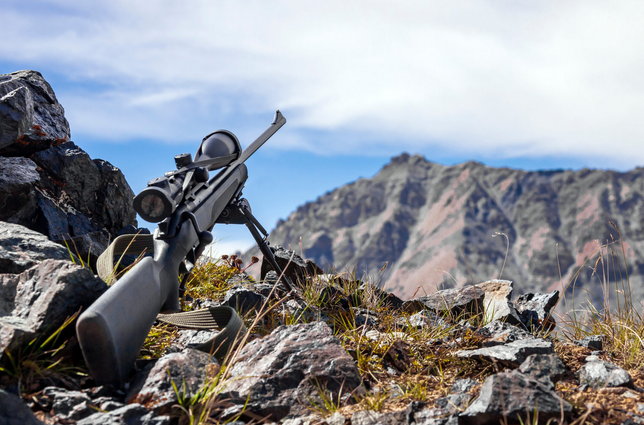
Temperature and humidity: Higher temperatures and humidity can reduce air density, affecting bullet performance. For instance, at higher DA (density altitude), bullets may travel faster due to less air resistance.
Altitude considerations: Shooting at higher elevations generally results in less atmospheric drag on projectiles, meaning you may need to adjust your dope accordingly.
Wind layering: Wind can change speed and direction at different heights. Be mindful that what you observe at ground level may differ from what's occurring at target height.
Building experience through practice
The best way to improve your wind reading skills is through consistent practice:
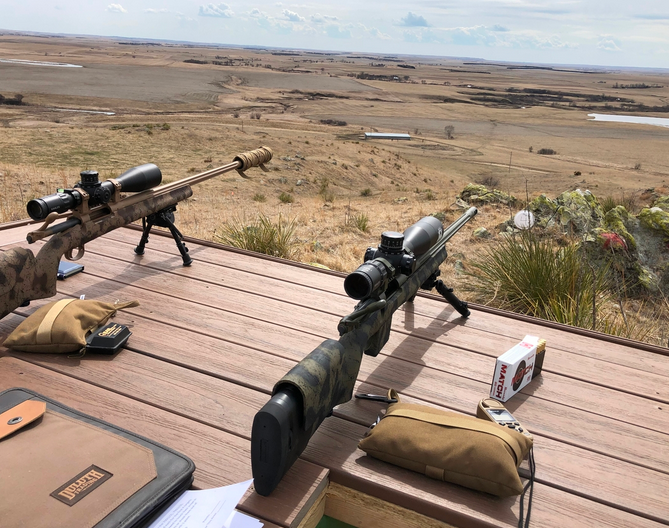
Conduct focused drills: Set up scenarios where you practice reading the wind under various conditions without the pressure of competition.
Analyze impacts: After each shot, review where the bullet impacted relative to your expected point of aim. This feedback loop helps refine your calculations for future shots.
Engage with other shooters: Collaborating with peers allows you to compare observations and strategies. Sharing insights can lead to new techniques and improved understanding.
Conclusion
Effective wind reading is an essential skill for long-range shooters aiming for success in PRS-style competitions and unknown distance events. By systematically observing environmental cues, practicing under pressure, and refining your dope cards, you can significantly enhance your accuracy.
As you prepare for your next match, remember that consistent practice and disciplined note-taking are vital components of success in long-range shooting. The ability to read the wind accurately will not only improve your performance but also increase your confidence on the line.