
Field Techniques for Tracking Whitetail Deer in Dense Forests
Tracking whitetail deer in dense forests presents unique challenges that require a blend of patience, observation, and skill. The thick cover often obscures visibility, making it harder to spot deer and their signs. However, understanding their behavior, knowing how to read the terrain, and employing effective tracking techniques can significantly improve your chances of success.
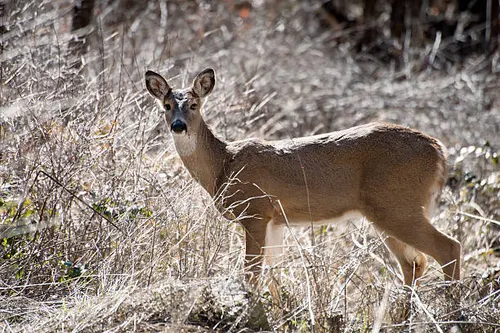
In this article, we'll focus on tracking whitetail deer in dense forests, particularly during the early morning and late evening hours when they are most active. You'll learn how to recognize deer sign, interpret their movements, and make informed decisions about where to find them. We'll also explore practical gear choices that enhance your tracking efforts while emphasizing safety and ethical hunting practices.
Understanding whitetail behavior in dense forests
Whitetail deer are naturally adaptive creatures. In dense forests, they tend to rely on their keen senses and knowledge of the terrain to navigate and evade predators. They prefer areas with ample cover for bedding while remaining close to feeding grounds. Understanding these patterns is crucial for successful tracking.
Bedding areas
In dense forests, whitetail typically choose bedding areas that provide both cover and access to food sources. Look for:
Thick brush or fallen logs: These areas provide concealment from predators and human activity.
South-facing slopes: In colder months, these slopes receive more sunlight, creating warm spots for deer to rest.
Near water sources: Deer often bed close to streams or ponds where they can hydrate.
Identifying these bedding areas allows you to plan your approach effectively. If you can pinpoint where deer are likely to sleep, you can increase your chances of encountering them as they move towards feeding areas.
Feeding habits
Whitetail deer are crepuscular feeders, meaning they are most active during dawn and dusk. In dense forests, their diets consist of:
Leaves and twigs: Deer will browse on young shoots and leaves from various plants.
Acorns and nuts: During fall, acorns become a primary food source.
Fruits: When available, berries and apples attract deer.
Understanding what a deer is likely to eat in a particular area can guide your tracking efforts. Look for signs of feeding, such as nibbled leaves or broken twigs, which indicate recent activity.
Essential gear for tracking in dense forests
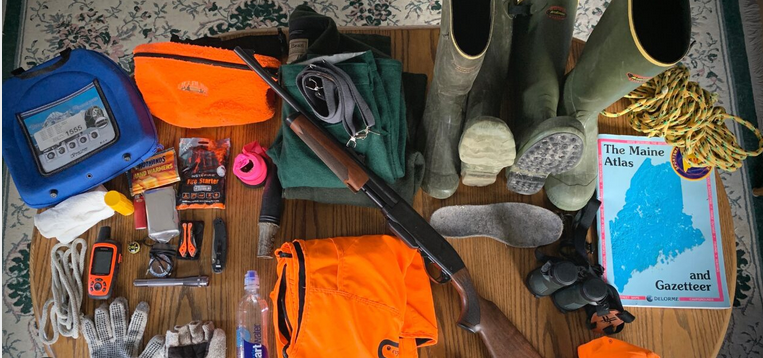
When tracking whitetail in dense forests, having the right gear can make a significant difference. Here's a checklist of essential items:
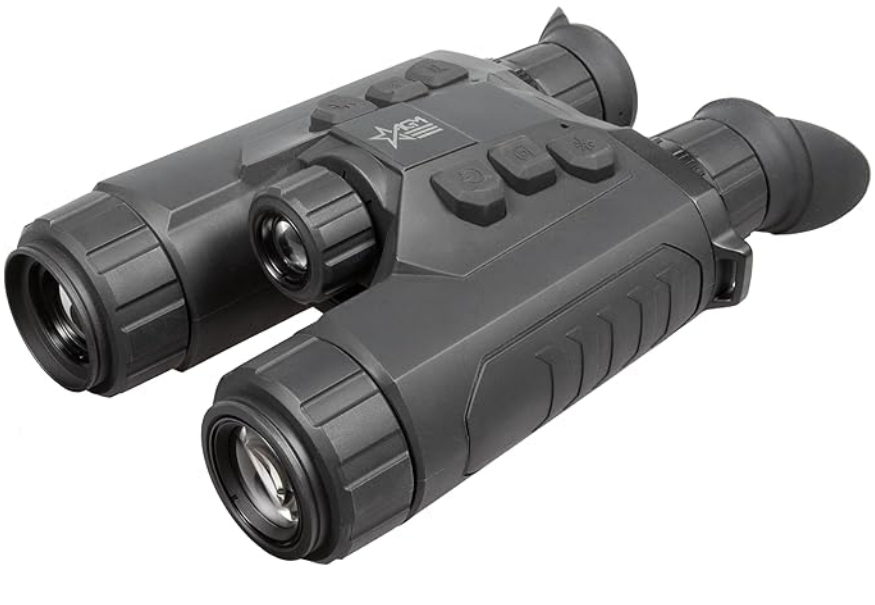
Quality binoculars: A good pair of binoculars allows you to scan the area without disturbing the wildlife.
GPS or compass: These tools help you navigate through thick cover while keeping your position marked.
Tracking notebook: Documenting your observations helps refine your technique over time.
Lightweight clothing: Dress in layers to adapt to changing temperatures and ensure mobility.
Comfortable boots: A sturdy pair of boots provides support and traction on uneven terrain.
These items enhance your ability to track effectively while ensuring comfort and safety throughout your outing.
Reading sign: tracks, scat, and rubs
To track whitetail successfully, you must learn to interpret various signs they leave behind. Familiarizing yourself with these cues will help you locate deer more efficiently.
Tracks
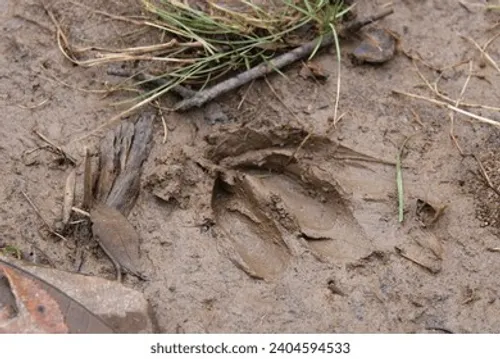
Deer tracks are relatively easy to identify. Look for:
Heart-shaped prints: Whitetail tracks are typically heart-shaped with two distinct lobes at the front.
Size: Adult whitetail tracks usually measure around 2–3 inches wide and 3–4 inches long.
Cloven hooves: The split in the hoof is distinctive; observe the spacing between the prints to gauge whether you're tracking an adult or a fawn.
Tracking in soft soil or mud can provide clearer impressions, making it easier to identify recent movement.
Scat
Deer droppings offer valuable information about their diet and movement patterns. Fresh scat is dark and moist; older droppings dry out and become crumbly. Note the following:
Color and shape: Fresh droppings will be dark brown or black and pellet-shaped.
Location: Finding scat near feeding or bedding areas indicates recent activity.
Rubs and scrapes
Rubs occur when bucks rub their antlers against trees to mark territory or remove velvet. Look for:
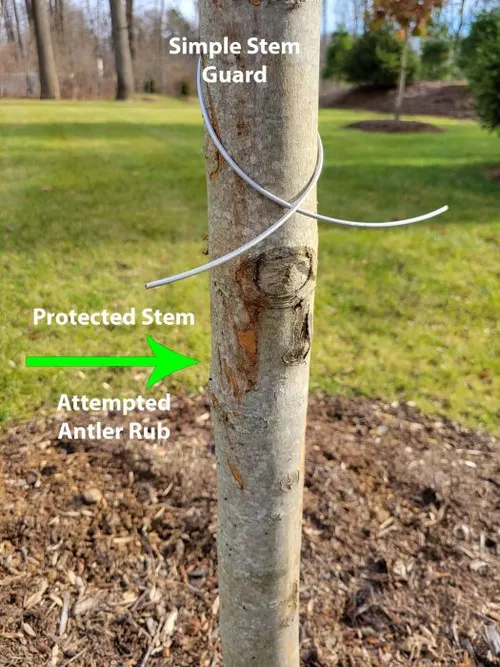
Bark removed from trees: The height of the rub can indicate the size of the buck.
Scrapes on the ground: Bucks will paw at the ground beneath branches to create scrapes, often marking their territory with scent.
Identifying these signs helps you understand deer movement and behavior during different seasons.
Interpreting terrain features
Dense forests often contain varied terrain features that can influence deer movement. Understanding these nuances allows you to predict where the deer might travel.
Elevation changes
Deer tend to use topography to their advantage. They may move along ridges or valleys that provide cover while allowing them to survey their surroundings. Pay attention to:
Natural funnels: Areas where terrain narrows can funnel deer movement, making them easier to track.
Transition zones: Look for edges where different types of vegetation meet; these areas often serve as travel routes for deer.
Water sources
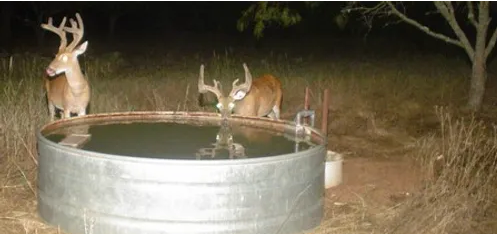
Deer are drawn to water sources for hydration, especially during hot weather. Identify streams, ponds, or low-lying areas where deer may congregate. These locations can serve as excellent spots for setting up ambushes or still-hunting.
Tracking techniques in dense forests
Once you've identified areas of interest based on sign and terrain, it's time to put your tracking skills into action. Here are some effective techniques:
Slow and steady approach
When tracking through dense forest, moving slowly allows you to observe subtle signs of deer movement. Keep the following tips in mind:
Use your eyes first: Scan for movement before stepping into an area.
Stay quiet: Minimize noise by stepping carefully over twigs and debris.
Look for fresh sign
Focus on fresh tracks, scat, or rubs that indicate recent deer activity. If you notice a change in sign, such as fresher tracks leading away from a feeding area, consider adjusting your path accordingly.
Use the wind
Deer have an exceptional sense of smell. Always approach areas downwind of where you suspect deer may be located. This minimizes the chance of being detected before you can see them.
Stay aware of surroundings
Dense forests can be disorienting. Regularly check your bearings using a GPS or compass to ensure you remain oriented within the terrain. This awareness helps prevent unnecessary noise while moving through the woods.
Decision-making at the shot
As you track whitetail deer, you'll eventually arrive at a moment where a shot opportunity presents itself. This is when your preparation pays off. Consider these factors before taking a shot:
Distance assessment
Evaluate the distance to ensure it falls within your ethical shooting range. Most experienced hunters consider 200 yards a reasonable limit for clean shots under ideal conditions. Beyond that distance, factors such as bullet drop and drift become significant considerations.
Shot placement
Aim for the vital zone; the area behind the shoulder that contains vital organs. A clean hit here increases the likelihood of a quick kill. If you're unsure about shot placement due to angle or distance, it's better to hold off until conditions improve.
Animal behavior
Watch how the deer reacts before taking the shot. If it seems skittish or alert, it may not be a good time to shoot. Waiting for a relaxed posture can result in a more successful outcome.
Tracking follow-up after the shot
After taking a shot, knowing how to follow up is critical for ethical hunting practices. Here's how to approach this phase effectively:
Observe immediately
After shooting, take a moment to observe the deer's reaction. Did it run? Did it fall? Knowing how it reacted helps determine your next steps.
Mark your spot
Before moving from your position, mark where you took the shot so you can return if needed. Use natural landmarks or leave a small item behind as a reference.
Wait before tracking
If you're unsure about whether it was a clean hit, wait at least 30 minutes before beginning your search. This gives the animal time to settle down and reduces the chance of pushing it further away.
Follow the blood trail
If blood is present, follow it carefully. Look for color; bright red indicates arterial blood, while dark red suggests a liver hit. The nature of the blood trail provides clues about where the deer may have traveled.
Training Corner
To refine your tracking skills effectively, consider practicing with these drills:
Track identification drill: Spend time in known deer territory looking for tracks, scat, rubs, and scrapes. Document what you find in a notebook.
Distance estimation practice: Use known distances (e.g., 100 yards) at the range to practice estimating distances accurately without measuring devices.
Movement simulation: Practice moving quietly through various terrains while maintaining awareness of surroundings; focus on minimizing noise while navigating obstacles.
By incorporating these drills into your routine, you'll enhance your skills for tracking whitetail in dense forests.
Common mistakes when tracking whitetail
As you develop your tracking skills, be mindful of these common mistakes that can hinder success:
Ignoring wind direction: Failing to consider wind can lead to alerting deer before you ever see them.
Rushing through sign interpretation: Take time to analyze tracks and sign instead of quickly moving ahead without understanding what you've observed.
Overlooking small details: Subtle signs like broken branches or disturbed leaves provide valuable information; don't dismiss them as minor.
Not adjusting tactics: If you're not finding success in one area, be willing to pivot your approach based on new information or changing conditions.
Tracking whitetail in dense forests requires practice and patience but can be incredibly rewarding when done correctly. Armed with knowledge about whitetail behavior, effective gear choices, and refined skills in reading sign and interpreting terrain features, you'll greatly improve your chances of success in the field.