
Essential tools for the home gunsmith: building a safe workspace
When it comes to gunsmithing at home, having the right tools is just as crucial as knowing how to use them. Whether you're swapping out parts on your favorite AR-15 or tuning up a classic 1911, a well-equipped workspace sets the stage for successful work and safe practices. In this guide, I'll walk you through the essential tools every home gunsmith should have on hand, along with tips for creating a workspace where safety and efficiency go hand in hand.
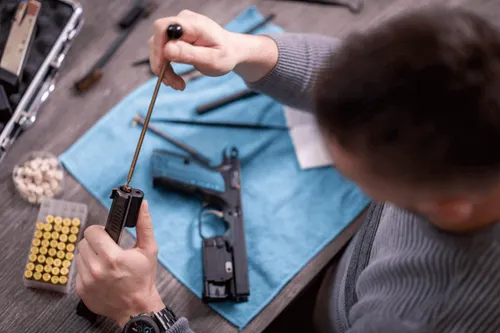
Bench safety checklist
Before we dive into the tools, let's get our safety ducks in a row. A safe workspace not only protects your investment but also keeps you and anyone around you out of harm's way. Here's a quick safety checklist to keep in mind:

Always check that firearms are unloaded before starting any work.
Wear appropriate personal protective equipment (PPE): safety glasses, gloves, and ear protection where necessary.
Keep your workspace organized: clutter can lead to accidents. Lay out tools and parts in an orderly fashion.
Use proper lighting: ensure your bench is well-lit so you can see what you're doing.
Have a fire extinguisher nearby: just in case things get too hot.
Store chemicals safely: keep solvents and lubricants in clearly labeled containers away from direct sunlight.
Know your limits: if a task feels beyond your skill level or comfort zone, don't hesitate to consult a professional gunsmith.
Setting up your workspace
A well-organized workspace isn't just about aesthetics; it directly impacts the quality of your work. Start with a sturdy workbench that can withstand some wear and tear. A surface made from hardwood or a durable composite material is ideal. Ensure it's at a comfortable height for you; you shouldn't be bending over too much or stretching uncomfortably.
Lighting
Good lighting is non-negotiable. Consider installing overhead lights as well as task lighting directly over your work area. LED lights are energy-efficient and provide bright illumination without generating heat, which can be a concern in tight spaces.
Ventilation
If you're working with solvents or other chemicals, good ventilation is key. A window or fan can help, but if you're really serious about it, an exhaust system designed for workshops might be worth the investment.
Storage solutions
Use cabinets, pegboards, and drawers to keep everything organized. Label drawers and containers so you know exactly where everything is. A magnetic tool holder can keep frequently used tools handy, while bins can contain smaller parts.
Essential tools for gunsmithing
Now that we've got the workspace set up, let's talk about the tools you'll need. I'll break them down into categories for clarity.
Hand tools
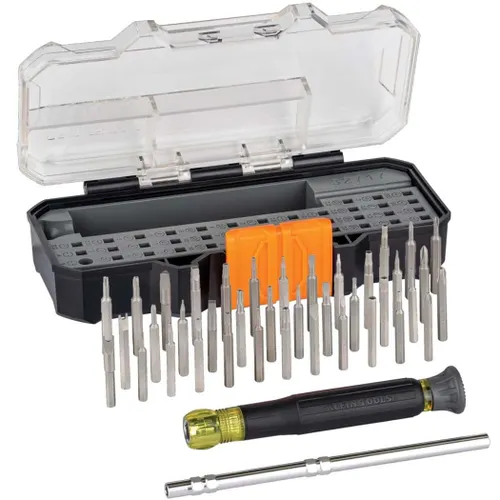
- Screwdrivers: A quality set of screwdrivers is essential. Look for both flathead and Phillips head varieties, and make sure they come in various sizes. Magnetic tips can save you from dropping screws into dark corners.
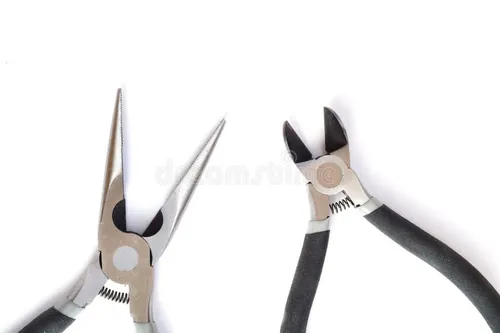
- Pliers: Needle-nose pliers, slip-joint pliers, and wire-cutting pliers should all be part of your arsenal. They can help with everything from holding small parts to cutting wire.
Wrenches: A set of combination wrenches will serve you well for various tasks. Don't forget an adjustable wrench for those odd jobs where standard sizes just won't fit.
Hammers: A ball-peen hammer is often used in gunsmithing, but don't overlook a plastic or rubber mallet for delicate tasks where you want to avoid marring surfaces.
Files: A selection of files, including flat, round, and half-round types, will allow you to smooth rough edges or make fine adjustments.
Cutting tools: A utility knife is handy for many tasks, from opening boxes to trimming gaskets. A pair of good scissors can also be useful for cutting materials like tape or soft plastics.
Measuring tools
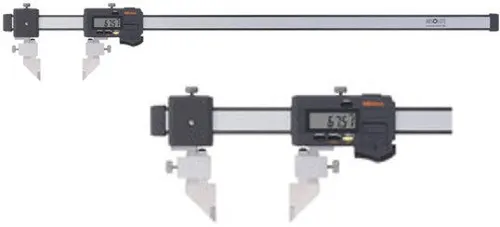
- Calipers: Digital calipers make measuring small parts easy and accurate. Look for one that can measure both inches and millimeters.
Torque wrench: This is essential for ensuring that screws and bolts are tightened to the manufacturer's specifications without over-torquing.
Feeler gauges: These are crucial for checking clearances between moving parts, especially when adjusting trigger pull or headspace on certain platforms.
Headspace gauges: If you're working on bolt-action rifles or semi-autos, headspace gauges will help ensure that your chamber dimensions are within safe parameters.
Specialized gunsmithing tools
Bench block: A bench block provides a stable surface for working on small parts without damaging them. Look for one with holes for punches; it makes driving pins a lot easier.
Roll pin punches: These are designed specifically to drive roll pins without deforming them. A set with various sizes will cover most needs.
Gunsmithing screwdriver set: These screwdrivers have hollow ground tips that fit firearm screws better than standard screwdrivers, reducing the risk of stripping heads.
Brass punches: Brass punches are softer than steel and won't mar your firearm's finish, making them perfect for driving pins or adjusting sights.
Cleaning kit: A basic cleaning kit tailored to the firearms you own will help maintain their function and longevity. Look for brushes, patches, and solvents that suit different calibers.
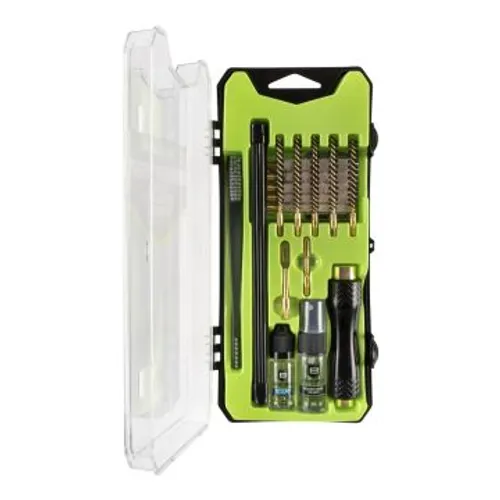
Safety equipment
Safety glasses: Protect your eyes from flying debris when cutting or grinding metal parts.
Gloves: Nitrile gloves provide protection against chemicals while still allowing dexterity for handling small components.
Dust mask or respirator: If you're sanding or using chemicals that produce fumes, a quality dust mask or respirator will protect your lungs.
Organizing your tools
Once you have your tools gathered, it's time to think about organization. Here are some tips:
Toolboxes: Invest in a sturdy toolbox with compartments for different types of tools. Keep hand tools separate from measuring tools to avoid confusion.
Pegboard wall: This can be an excellent way to keep frequently used tools visible and within reach while maximizing space.
Labeling: Use labels on drawers and containers to quickly identify where things are stored. This saves time during projects when you need something fast.
Cleaning routine: After every session at the bench, take a few minutes to clean up and put away tools. This keeps your workspace tidy and ready for next time.
Maintaining your tools
Just like firearms, your tools need regular maintenance to stay in good working order:
Clean after use: Wipe down tools after each use to remove dirt, oil, and moisture that could lead to rust.
Sharpen blades: Keeping cutting edges sharp not only makes work easier but also safer.
Calibrate measuring tools: Periodically check your calipers and torque wrenches against known standards to ensure accuracy.
Store properly: Keep tools in a dry place to prevent rust and degradation over time.
Common mistakes
As you set up your workspace and gather your tools, here are some common pitfalls to avoid:
Overlooking safety gear: It's easy to skip wearing safety glasses or gloves when you're in a hurry, but don't; injuries can happen in an instant.
Neglecting organization: An unorganized workspace leads to wasted time searching for tools and increased risk of accidents.
Ignoring tool maintenance: Rusty or damaged tools can make tasks harder and less safe; keep them clean and sharp.
Buying cheap tools: While budget options have their place, investing in quality tools pays off in performance and longevity.
Skipping documentation: Keep records of what you do; it helps track progress and can be invaluable if something goes wrong down the line.
The importance of documentation
Documentation is often overlooked but is crucial in any gunsmithing project. When you take apart a firearm or modify it in any way:
Take photos: Snap pictures of each step during disassembly; these will serve as helpful references during reassembly.
Keep notes: Write down measurements, torque values, and any adjustments made during the process. This record can help troubleshoot issues later on.
Log round counts: If you've made modifications or repairs, tracking round counts will help assess wear over time and inform future maintenance schedules.
Conclusion
Setting up a safe and efficient workspace is the foundation of successful gunsmithing at home. By equipping yourself with the right tools and following best practices for organization and safety, you'll create an environment where quality work can thrive. Remember to document your processes and maintain your tools; these habits will pay dividends down the road as you continue honing your skills.
As you embark on this journey into the world of home gunsmithing, remember that patience pays off; both in practice and in learning which tools work best for your specific needs. So gear up, stay safe, and enjoy the satisfaction that comes from crafting and maintaining your firearms with care.