
When it comes to selecting a reticle for your optic, one of the most crucial decisions you'll face is whether to go with a first focal plane (FFP) or a second focal plane (SFP) reticle. Each has its distinct advantages and limitations, making them suitable for different shooting styles and applications. In this article, I will explore the characteristics of FFP and SFP reticles, guiding you through the nuances that can affect your shooting experience.

Defining FFP and SFP Reticles
First Focal Plane (FFP) reticles are positioned in front of the magnification system within the scope. This means that as you adjust the magnification, the reticle scales proportionally to the target. For example, if you're using a 10x magnification, your reticle will appear larger relative to your target than it would at 4x.
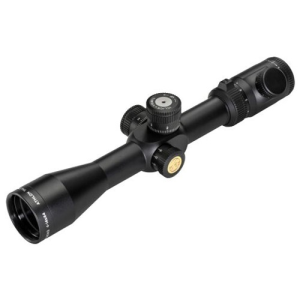
FFP Reticle Scope Deals
Prices may change. May contain affiliate links.
SFP Reticle Scope Deals
Prices may change. May contain affiliate links.

Second Focal Plane (SFP) reticles, on the other hand, are located behind the magnification system. The reticle remains constant in size regardless of the magnification level. This characteristic makes SFP reticles easier to use for quick target acquisition at lower magnifications but can complicate range estimation when zoomed in.

Understanding these differences is essential, as they affect how you interact with your optic during various shooting scenarios.
Usage and Application Scenarios
When to choose FFP
FFP reticles excel in situations where you need to make precise adjustments on the fly, especially at varying distances. They are often favored by long-range shooters and tactical applications where distance estimation is critical. Here are the primary use cases for FFP:

Long-range precision shooting: The ability to use holdovers or windage corrections accurately across all magnifications makes FFP ideal for engaging targets at extended ranges.
Tactical shooting: In dynamic environments, being able to gauge distances quickly and accurately can be a game-changer. An FFP reticle allows for better engagement with multiple targets at varying distances without needing to change magnification.
Competition shooting: Many competitive shooters prefer FFP scopes because they provide consistent subtension values, allowing for rapid calculations on the clock.
Eye Relief and Target Acquisition
One of my favorite aspects of FFP optics is their forgiving eye relief, which can enhance comfort during extended shooting sessions. As you transition between magnifications, you'll find that eye relief remains consistent, allowing for faster target acquisition without sacrificing accuracy.
When to choose SFP
SFP reticles are often preferred for applications where speed and simplicity take precedence over precision. They shine in scenarios like:

Hunting: When hunting in varying light conditions or at shorter ranges, an SFP reticle can help you quickly acquire targets without worrying about changing reticle size.
Home defense: For fast target acquisition in close quarters, SFP optics often provide a clearer view without distractions from complex reticle designs that may scale with magnification.
General purpose shooting: If you mainly shoot at fixed distances or enjoy plinking at the range, SFP optics can offer a straightforward approach without the added complexity of an FFP system.
Simplicity in Use
With SFP reticles, you can focus on the target without needing to calculate holdovers based on magnification. This simplicity can be especially beneficial for less experienced shooters or those who prefer a more instinctive shooting style.
Reticle Design Considerations
The choice between FFP and SFP also impacts reticle design. While both types come in various styles, such as mil-dot, BDC (bullet drop compensator), or crosshairs, the way you utilize them will differ based on their position within the scope.

Reticle Visibility
FFP reticles tend to maintain visibility across all magnifications, which can be critical during low-light shooting situations. Conversely, SFP reticles can become less visible at lower magnifications if they have fine lines or intricate designs.
Consider this when choosing a reticle style. For example, if you frequently find yourself shooting at dawn or dusk, an illuminated FFP reticle may be advantageous due to its consistent visibility across magnifications.
Turret Adjustments and Tracking Behavior
Both FFP and SFP scopes typically feature turrets for elevation and windage adjustments. However, tracking behavior can vary depending on the design and intended use of the optic.
FFP Tracking
In an FFP scope, turret adjustments correspond directly with your reticle's subtensions. This means that whether you're dialed up to 10x or down to 3x, your adjustments will remain consistent relative to your target's distance. This feature enhances reliability when executing long-range shots or making quick corrections in dynamic environments.
SFP Tracking
With SFP optics, turret adjustments are still effective but require a more careful approach when switching between magnifications. Since your reticle does not scale with magnification, you must ensure you're aware of your current zoom level when making adjustments.
Choosing Reticle Styles
When selecting a specific reticle style within each category, consider how you plan to use your optic.
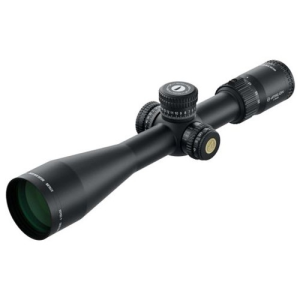
Mil-dot or MOA: If you're frequently engaging targets at varied distances and need to estimate range quickly, consider a mil-dot or MOA reticle in either FFP or SFP formats.
BDC Reticles: Ideal for hunting or tactical applications where drop compensation is necessary. Ensure that the BDC markers correspond with your typical shooting distances.
Illuminated Reticles: Great for low-light conditions; both FFP and SFP options exist. However, FFP illuminated reticles often provide more flexibility due to their scaling nature.

Different reticle types.
Mounting and Torque Considerations
Regardless of whether you opt for an FFP or SFP scope, proper mounting practices are crucial for achieving reliable performance.
Mount Height and Eye Relief
Mount height plays a significant role in determining how comfortably you can shoot with your optic. A higher mount may provide better eye relief but could also affect your cheek weld and overall shooting position.
Aim for about 1.5 to 2 inches of optical center height above the bore line for most rifles.
Ensure that you check eye relief from your shooting position to avoid any surprises during recoil.
Torque Specifications
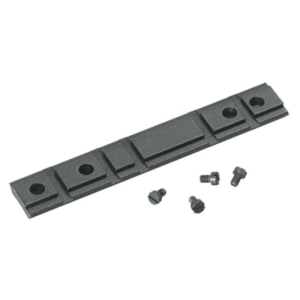
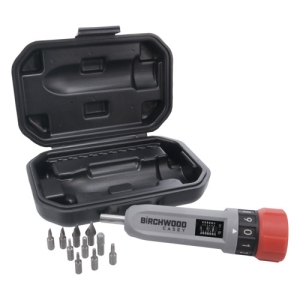
Torque specifications will vary based on your scope rings and base. Always refer to the manufacturer's guidelines for recommended torque values, typically between 15–20 inch-pounds for ring caps. Over-torquing can lead to unwanted stress on the scope body, potentially causing tracking issues or even damage.
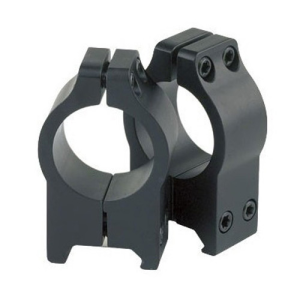
Shop Tips
Use a torque wrench whenever possible to maintain consistent pressure on screws.
Double-check that all screws are degreased before installation.
After mounting, verify eye relief again from your shooting position.
Periodically recheck torque after several range trips to ensure everything remains secure.
Zeroing Your Optic
Once you've chosen between an FFP and SFP reticle and mounted your scope correctly, it's time to zero it in. Zeroing procedures differ slightly based on the type of reticle you've chosen.
Zeroing an FFP Scope
When zeroing an FFP scope, keep in mind that your adjustments will affect every magnification level. Use a tall target test by shooting at a known distance, ideally 100 yards, to confirm your point of impact aligns with your point of aim across different magnifications.
Start at a lower magnification (e.g., 4x) and fire a group.
Adjust your turrets according to the necessary corrections.
Move through higher magnification levels (e.g., 10x) and ensure point of impact remains consistent.
Zeroing an SFP Scope
Zeroing an SFP scope involves similar steps but requires extra attention to detail concerning magnification changes:
Begin at a mid-range magnification (e.g., 6x) for initial zeroing.
Confirm your point of impact at that level before checking at lower or higher magnifications.
Make sure that any adjustments made are verified across all zoom levels.
Common Mistakes
Even experienced shooters can encounter pitfalls when working with FFP and SFP scopes. Here are some common mistakes to avoid:
Over-torquing: Excessive torque on ring caps can lead to tracking issues or damage.
Ignoring parallax settings: Always check parallax adjustment if available; neglecting this can result in missed shots due to image shift.
Failing to verify zero across magnifications: Especially critical for FFP; ensure consistent performance at various zoom levels.
Not considering environmental factors: Weather conditions such as mirage or low light can affect target visibility; choose reticle designs accordingly.
Conclusion
Choosing between an FFP and SFP reticle comes down to understanding your shooting style and application needs. Whether you prioritize precision over varying distances with an FFP or prefer the simplicity of an SFP for quick target acquisition, both options have their place in the field.
As you select your optic and prepare it for use, remember that careful mounting practices and thorough verification checks are essential for achieving optimal performance.
Run a tall target test this month and log your results, it's a great step toward ensuring your setup is dialed in correctly.