How To Properly Set Up a Two-Point Sling on a Tactical Carbine
Setting up a two-point sling on your tactical carbine isn't just about slinging your rifle over your shoulder; it's about enhancing your control, comfort, and overall shooting experience. A well-set-up sling allows for quick transitions between carrying your firearm and getting into a shooting position, making it an essential accessory for any tactical setup.
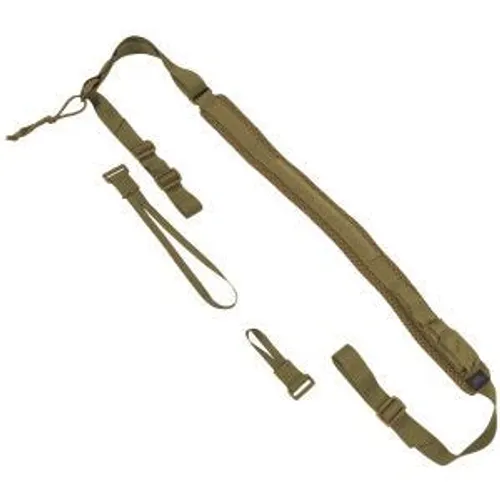
In this guide, we'll dive into how a two-point sling changes the dynamics of your carbine in your hands. We'll discuss how it affects your grip, stance, and readiness while providing practical advice based on real experiences. By the end of this article, you'll have a clear understanding of how to set up your two-point sling effectively.
Understanding the two-point sling
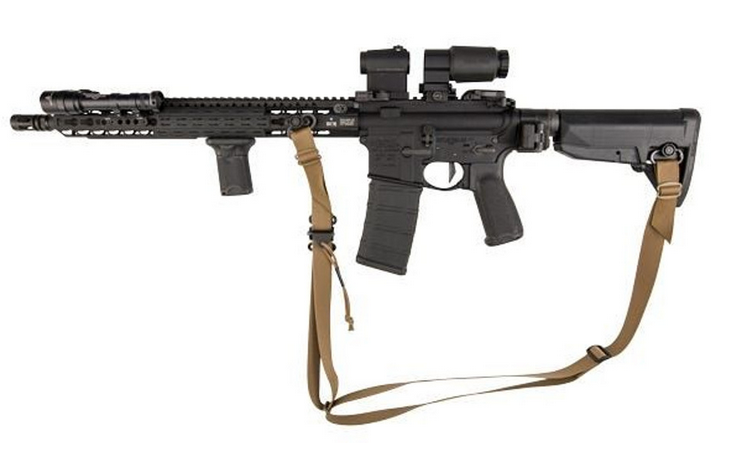
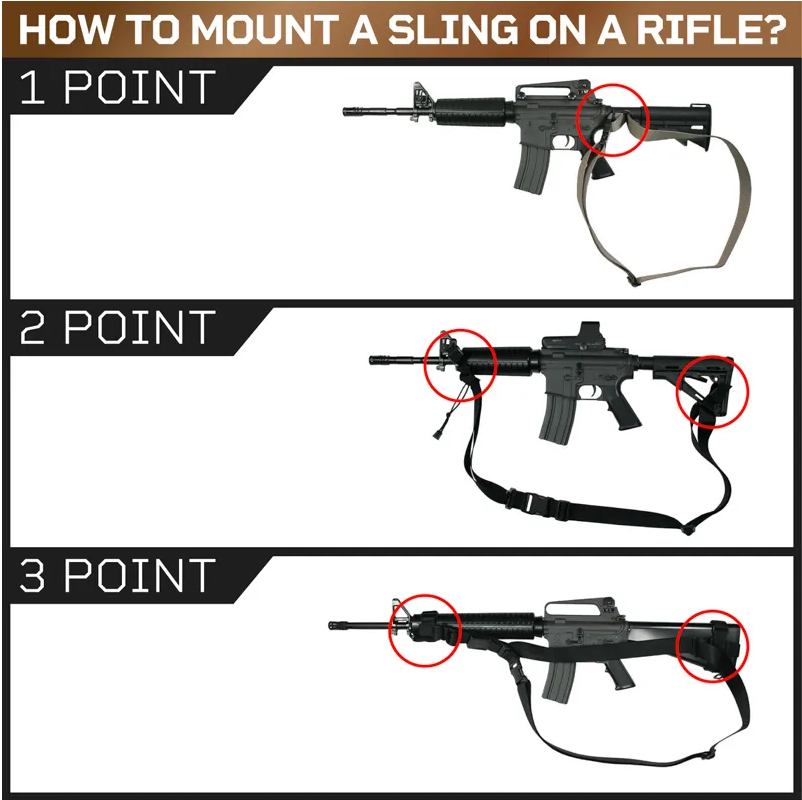
A two-point sling connects to two points on your carbine, typically at the front and rear of the firearm. This design allows for a variety of carry options while providing stability when aiming. When properly adjusted, it can help distribute the weight of the carbine across your body, reducing fatigue during extended use.
What does a two-point sling change for you?
Wrist angle: A properly adjusted sling helps keep your wrist in a more natural position when carrying the rifle. If the sling is too tight or too loose, it can cause fatigue or discomfort.
Cheek weld: The way you position your cheek against the stock can be influenced by the sling's tension. A well-fitted sling allows for quick positioning without compromising your sight picture.
Trigger reach: Depending on how the sling is set up, it can affect how easily you can access the trigger. A good setup ensures you can maintain control without straining.
Sling tension: Proper tension allows for quick transitions and easy adjustments while keeping the firearm secure against your body.
Choosing the right two-point sling
Before diving into the setup process, let's look at some types of two-point slings available on the market. Each has its own features and benefits that can affect your shooting experience.
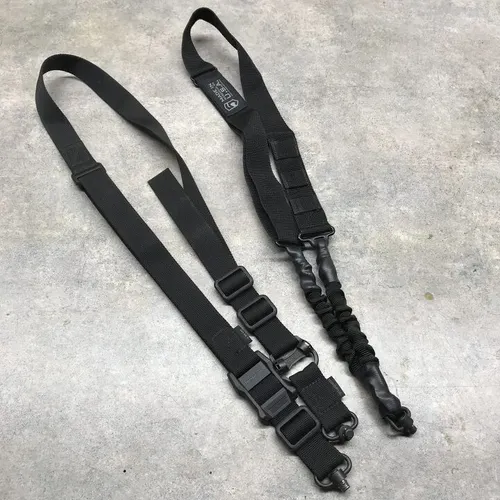
Types of two-point slings
Nylon slings: These are durable and often adjustable. They provide good support but might lack some comfort during extended use.
Bungee slings: Incorporating elastic material, these slings absorb shock and help with quick transitions. They can feel less rigid but may require more adjustment to fit snugly.
Hybrid slings: Combining materials like nylon and bungee, hybrid slings offer a balance between durability and flexibility.
When selecting a sling, consider factors such as material, adjustability, and usability under different conditions. You want something that fits well and allows for a smooth transition between carry and firing positions.
Fit & Feel
To ensure your two-point sling feels right when set up correctly, pay attention to these elements:
Comfortable carry: The sling should comfortably rest against your body without digging into your shoulder.
Easy adjustments: You should be able to quickly adjust the length of the sling to suit different shooting positions.
Stable support: When in a standing position, the carbine should feel secure and not swing excessively.
Quick transitions: You should be able to move from carrying to shooting without fumbling or losing control of the firearm.
Step-by-step setup process
Let's walk through the process of setting up your two-point sling on a tactical carbine.
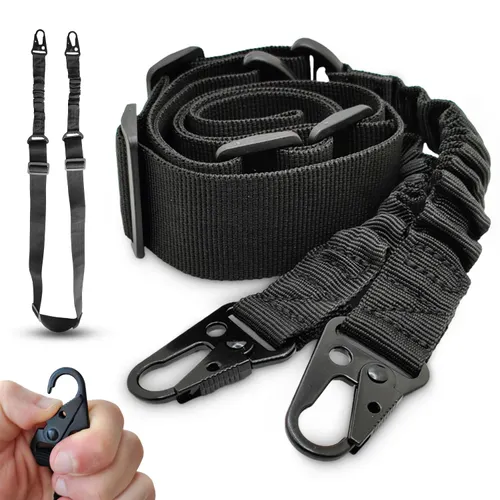
1. Gather your tools
You won't need much: just your carbine, a two-point sling, and possibly a flathead screwdriver or Allen wrench if you need to install any hardware.
2. Choose attachment points
Most tactical carbines have built-in points for sling attachment. If yours doesn't, you may need to install QD (Quick Detach) mounts or loop attachments.
Front attachment: This is typically located near the front sight or handguard.
Rear attachment: Usually found on the stock or receiver extension.
Make sure both points are secure before proceeding.
3. Attach the sling
Thread one end of the sling through the front attachment point and secure it according to the manufacturer's instructions. If using a QD mount, simply press it into place until you hear a click.
For the rear attachment, thread the other end through its designated point and secure it similarly.
4. Adjust length
With both ends attached, adjust the length of the sling so that when you wear it, the carbine rests comfortably at about hip level. You want it close enough for easy access but not so tight that it restricts movement.
5. Test for fit
Once adjusted, stand up and practice transitioning from carry to aim. It should allow for smooth movement without resistance or awkward angles.
6. Fine-tune as necessary
After some practice, you may find that minor adjustments are needed to achieve optimal comfort and functionality. Don't hesitate to tweak it until it suits you perfectly.
Common mistakes
Setting up a two-point sling may seem straightforward, but there are common pitfalls that can hinder performance:
Too loose or too tight: If the sling is too loose, it can lead to excessive swinging; if it's too tight, it can restrict movement.
Improper attachment points: Attaching to weak points or incorrect locations can result in instability when aiming.
Neglecting adjustments: After initial setup, failing to regularly check and adjust for comfort can lead to fatigue during extended use.
Overlooking materials: Choosing a material that doesn't suit your needs can affect durability and comfort.
Ignoring personal preference: Everyone has different preferences for how they want their gear to feel; don't be afraid to experiment until you find what works best for you.
Product examples & comparison
Here are some popular two-point slings currently available, along with their features and benefits:
1. Blue Force Gear Vickers Sling
Type: Nylon
Adjustability: Quick-adjust pull tab
Strengths: Durable construction with low-profile design; excellent for quick transitions.
Weaknesses: May require additional padding for long-term comfort.
2. Magpul MS3 Multi-Mission Sling
Type: Hybrid
Adjustability: One-handed adjustment
Strengths: Versatile use as a single-point or two-point sling; easy conversion.
Weaknesses: Some users find it less stable in single-point mode compared to dedicated designs.
3. Vickers Tactical Sling
Type: Bungee
Adjustability: Rapid adjustment via pull tab
Strengths: Elasticity provides extra shock absorption; great for active environments.
Weaknesses: Can feel less rigid when transitioning rapidly between positions.
4. Condor Outdoor Two Point Sling
Type: Nylon
Adjustability: Adjustable via sliders
Strengths: Affordable option with decent durability; good for beginners or budget-conscious shooters.
Weaknesses: May not hold up as well under heavy use compared to premium brands.
5. Tactical Tailor Padded Sling
Type: Padded nylon
Adjustability: Adjustable length
Strengths: Extra padding enhances comfort during extended carry; great for heavier rifles.
Weaknesses: Bulkier design might not suit all setups.
Comparison table
| Sling Model | Type | Adjustability | Strengths | Weaknesses |
|---|---|---|---|---|
| Blue Force Gear Vickers Sling | Nylon | Quick-adjust pull tab | Durable, low-profile design | Requires padding for long use |
| Magpul MS3 Multi-Mission Sling | Hybrid | One-handed adjustment | Versatile use as single/two-point | Less stability in single-point mode |
| Vickers Tactical Sling | Bungee | Rapid adjustment | Shock absorption for active environments | Less rigid during rapid transitions |
| Condor Outdoor Two Point Sling | Nylon | Adjustable sliders | Affordable, decent durability | May wear out faster than premium brands |
| Tactical Tailor Padded Sling | Padded | Adjustable length | Comfortable for extended carry | Bulkier design |
Troubleshooting common issues
Even after setting up your two-point sling correctly, you might encounter some issues during use:
1. Sling slipping
If you find that your sling is slipping even after adjusting it tightly, check whether the attachment points are secure and whether the adjusters are functioning properly. Sometimes dirt or debris can interfere with proper locking mechanisms.
2. Uncomfortable pressure points
If certain areas of your shoulder become sore after prolonged use, consider adding padding or switching to a different sling type that offers better comfort features.
3. Difficulty transitioning
If transitioning from carry to aim feels clunky or slow, re-evaluate your adjustments. It could be that the sling is too tight or that you're not using an optimal attachment point.
4. Visibility issues
If you find yourself struggling to get a clear sight picture due to how the sling interacts with your body positioning, experiment with adjusting its length or position until you find a comfortable compromise.
Additional tips for effective use
While having a properly set-up two-point sling is crucial, there are some additional practices that can enhance its effectiveness during training or real-world applications:
Practice regular transitions
Set aside time during range sessions specifically to practice transitioning from carry to aim and back again. This will help build muscle memory and ensure smooth movements in critical situations.
Experiment with configurations
Don't hesitate to try different configurations based on your shooting style or environment; sometimes small tweaks can lead to significant improvements in performance.
Stay aware of surroundings
When using a sling in dynamic environments (like tactical scenarios), always be mindful of potential snag hazards that could catch on your gear as you move.
Conclusion
Setting up a two-point sling on your tactical carbine may seem simple at first glance, but taking the time to do it right can significantly enhance your shooting experience. By choosing the right materials, paying attention to fit and feel, and regularly practicing transitions, you'll be well-equipped to make quick adjustments in various situations while maintaining control over your firearm.
Whether you're training at the range or navigating through challenging environments, having a reliable two-point sling can make all the difference in performance and comfort. So grab your gear, fine-tune those adjustments, and get ready for an improved shooting experience!