
Understanding the history and evolution of the .22 LR rifle
The .22 Long Rifle (LR) is one of the most popular cartridges in the world, revered for its versatility, low recoil, and cost-effectiveness. Since its introduction in the late 19th century, the .22 LR has become a staple for various shooting disciplines, including target shooting, small game hunting, and even training for new shooters. This article will delve into the history and evolution of the .22 LR rifle, exploring its technical advancements, notable models, and its impact on the shooting community.
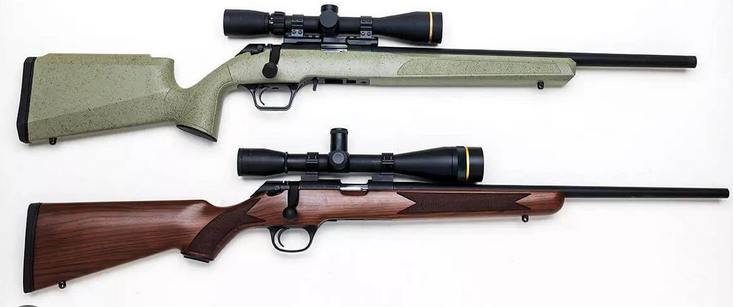
The origins of the .22 LR cartridge
The .22 LR cartridge was developed in 1887 by the J. Stevens Arms & Tool Company as an improvement over the earlier .22 Short cartridge. The design aimed to provide a more powerful round that could deliver higher velocities while maintaining manageable recoil levels. The .22 LR features a rimfire primer, a lead bullet typically weighing between 30 and 40 grains, and a case length of 1 inch (25.4 mm).
The initial appeal of the .22 LR lay in its suitability for small game hunting and target shooting. Its low cost and availability made it an excellent choice for novice shooters and experienced marksmen alike. The round quickly gained popularity, and by the early 20th century, it became a standard cartridge for rifles and pistols.
Early .22 LR rifles
Single-shot rifles
The first rifles chambered in .22 LR were often single-shot designs, which allowed shooters to focus on marksmanship fundamentals without the distractions of rapid follow-up shots. One notable example is the Stevens Favorite, introduced in 1894. This rifle featured a simple break-action design and was known for its accuracy and affordability.
Single-shot rifles like the Favorite became popular among young shooters learning the basics of rifle handling. The simplicity of these firearms allowed for easy operation and maintenance,
making them ideal for youth training programs.
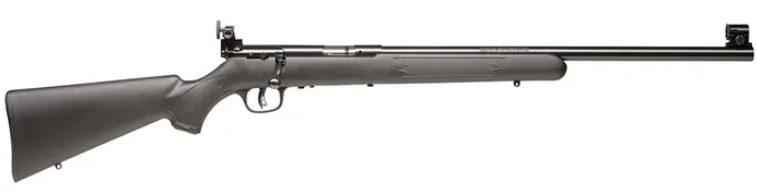
Bolt-action rifles
As demand for .22 LR rifles grew, manufacturers began producing bolt-action models that offered enhanced precision and reliability. One of the most notable early examples is the Winchester Model 52, introduced in 1912. This rifle quickly established itself as a premier choice for competitive shooting due to its exceptional accuracy and craftsmanship.
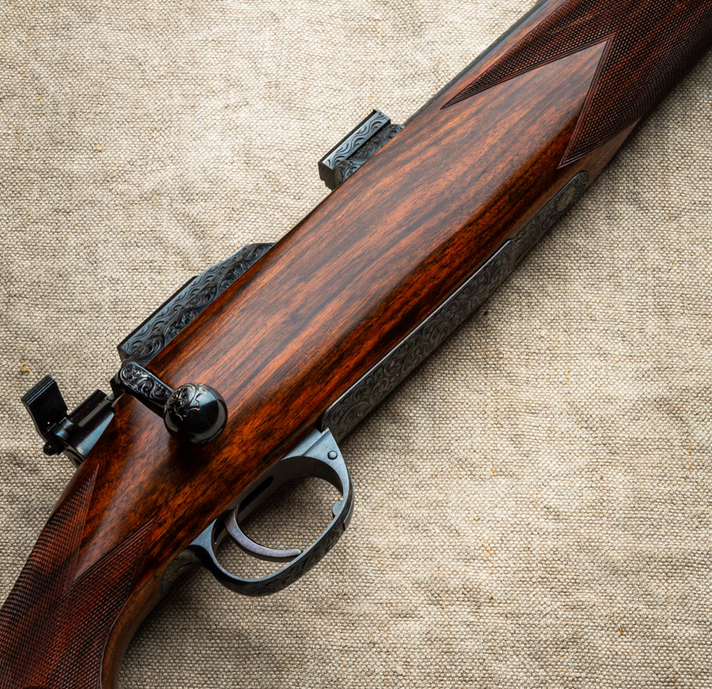
Bolt-action designs allowed shooters to achieve tighter groupings at longer distances. These rifles featured adjustable triggers, match-grade barrels, and improved sights, making them popular among serious competitors. The Model 52 played a pivotal role in establishing the foundation for modern precision shooting with rimfire cartridges.
Lever-action rifles
Another significant development in .22 LR rifles was the introduction of lever-action designs, which provided a balance between rapid-fire capability and accuracy. The Winchester Model 61, released in 1932, is an iconic example of this type. It combined a tubular magazine with a lever-action mechanism, allowing shooters to fire multiple rounds quickly while maintaining the accuracy expected from a .22 LR rifle.
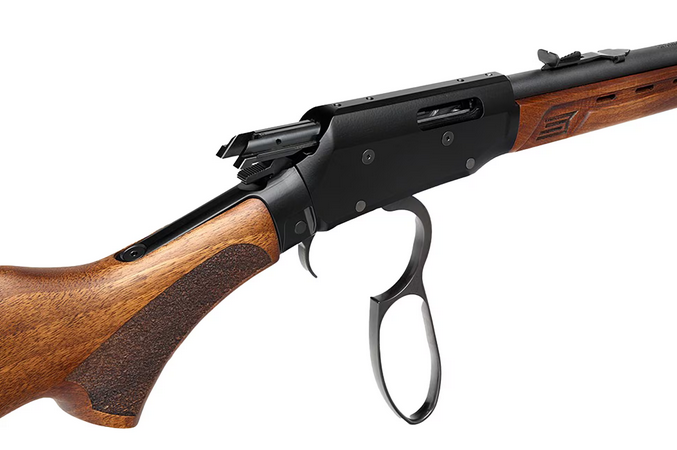
Lever-action rifles also appealed to hunters who appreciated their lightweight construction and ease of handling in field conditions. These firearms became favorites among small game hunters due to their ability to deliver rapid follow-up shots on fast-moving targets.
The rise of semi-automatic .22 LR rifles
The mid-20th century saw a significant shift in the design and popularity of .22 LR rifles with the introduction of semi-automatic models. These rifles offered distinct advantages over their bolt-action and lever-action counterparts by allowing shooters to fire multiple rounds without manually cycling the action.
The Ruger 10/22
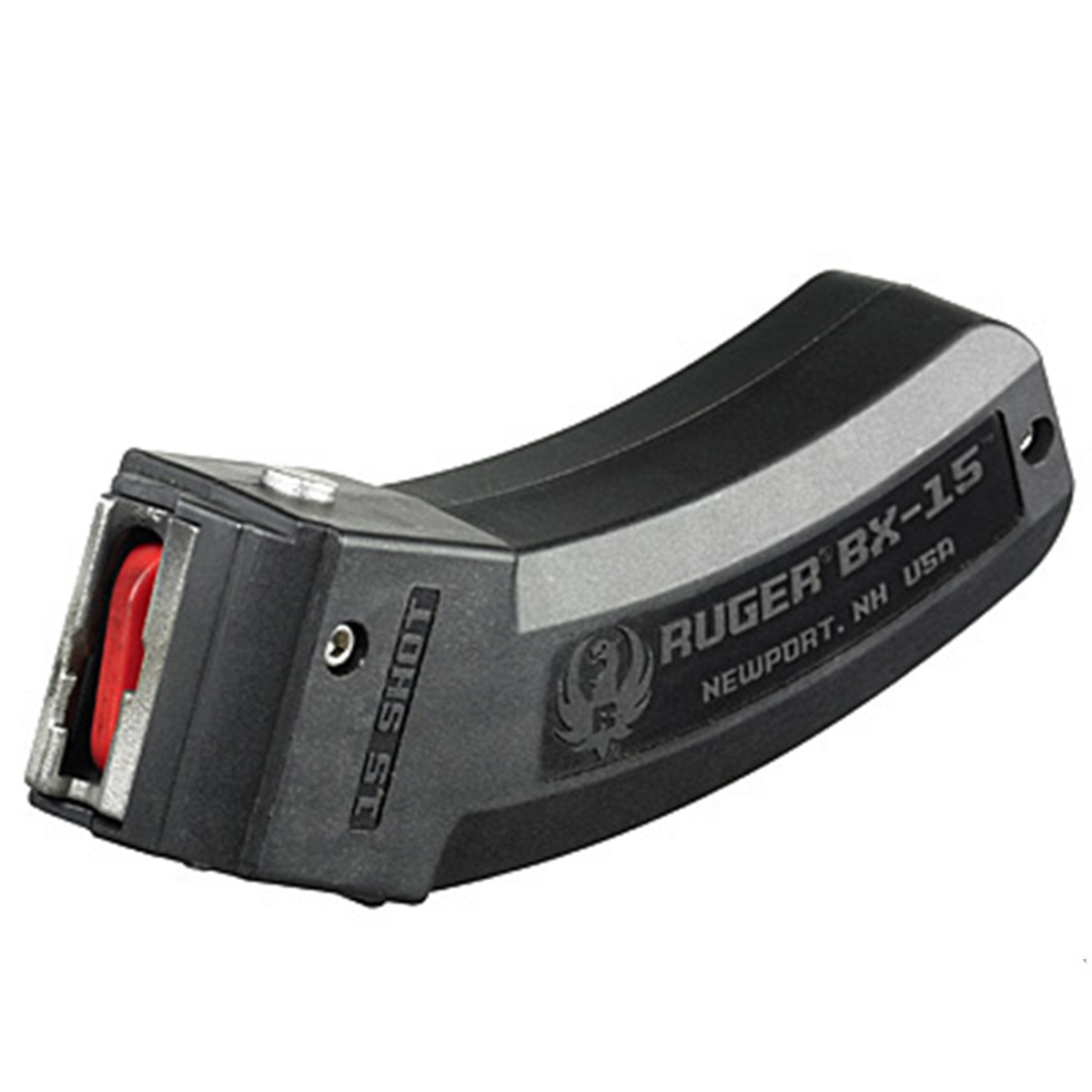
Introduced in 1964, the Ruger 10/22 quickly became one of the most popular semi-automatic .22 LR rifles ever produced. Its reliability, modularity, and aftermarket support have made it a favorite among enthusiasts. The 10/22 features a simple blowback action, detachable rotary magazine, and a variety of stock options that cater to different preferences.
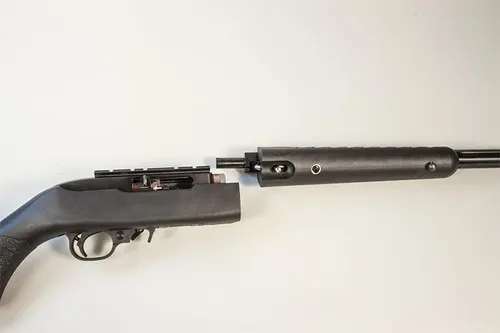
The rifle's accuracy has been widely praised, with many users able to achieve sub-MOA (Minute of Angle) groups with proper ammunition and setup. The 10/22 has also become a platform for customization, allowing shooters to modify everything from stocks to barrels to optics.
The Marlin Model 60
Another significant entry into the semi-automatic market was the Marlin Model 60, which debuted in 1960. Known for its tube-fed magazine system and smooth operation, the Model 60 gained a reputation for reliability and affordability. This rifle is often considered one of the best values in the market for those seeking a semi-automatic .22 LR option.
With its accuracy and user-friendly design, the Model 60 has been widely used for both plinking and small game hunting. Its popularity endures today as it remains one of Marlin's best-selling models.
Technological advancements in .22 LR rifles
Over the decades, advancements in materials and manufacturing processes have led to improvements in .22 LR rifle performance. These innovations have enhanced accuracy, reliability, and overall user experience.
Barrel technology
One significant area of advancement has been barrel technology. Modern manufacturing techniques have allowed for tighter tolerances in barrel production. For example, cold hammer forging produces barrels with improved strength and uniformity compared to traditional methods. This process results in better accuracy and longer barrel life.
Rifles like the CZ 455 utilize match-grade barrels that enhance precision by minimizing variations in bore diameter and surface finish. As a result, shooters can expect more consistent performance across different ammunition types.
Optics integration
The rise of optics technology has also influenced how .22 LR rifles are used. Many modern models come equipped with scope mounting systems or are designed to accommodate various optics easily. This integration allows shooters to maximize their effective range and improve accuracy at distance.
Ruger 10/22 .22 LR Deals
Prices may change. May contain affiliate links.
For instance, rifles like the Savage Mark II series offer integral scope bases that simplify mounting optics while maintaining a sleek profile. This feature has become increasingly popular among competitive shooters who require precise adjustments for varying distances.
Competitive shooting with .22 LR rifles
The versatility of .22 LR rifles has made them a staple in various competitive shooting disciplines. From precision rifle competitions to informal plinking matches, these firearms have earned their place among serious competitors.
Precision Rifle Series (PRS)
In recent years, events like the Precision Rifle Series (PRS) have seen an increase in participation from .22 LR shooters. Competitors engage targets at varying distances using rifles equipped with sophisticated optics and adjustable stocks. The low recoil of the .22 LR allows shooters to practice skills that translate well to larger caliber rifles without incurring excessive costs.
The PRS-style competitions emphasize marksmanship fundamentals like wind reading, positional shooting, and target acquisition under time constraints. As participants hone their skills with .22 LR rifles, they develop valuable techniques that carry over into high-caliber shooting events.
Smallbore competitions
Smallbore competitions are another arena where .22 LR rifles shine. Governed by organizations such as the National Rifle Association (NRA) and International Shooting Sport Federation (ISSF), these events focus on precision shooting at standardized distances; often 50 meters or 100 yards.
Rifles used in smallbore competitions are typically highly specialized, featuring match-grade barrels, adjustable triggers, and ergonomic stocks designed for stability during prolonged shooting sessions. Participants often compete for national titles using dedicated .22 LR match rifles like those produced by Anschutz or Walther.
Popular models and their characteristics
As we explore specific models that have defined the landscape of .22 LR rifles, it's essential to consider their unique characteristics and what makes them stand out among competitors.
CZ 455
The CZ 455 is a bolt-action rifle known for its exceptional accuracy and build quality. Available in various configurations; including heavy-barrel versions; the CZ 455 appeals to both target shooters and hunters alike. With an adjustable trigger capable of reaching pull weights as low as 2 pounds (0.9 kg), it allows for precise control during firing.
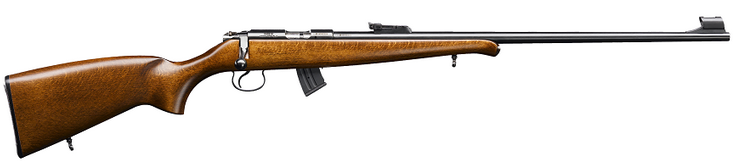
One standout feature is its interchangeable barrel system, enabling users to switch between different calibers easily. This flexibility makes it an attractive option for those looking to expand their shooting repertoire without investing in multiple rifles.
Tikka T1x
The Tikka T1x represents a modern take on bolt-action rimfire rifles with an emphasis on performance and ergonomics. Its cold hammer-forged barrel provides superior accuracy, while its lightweight synthetic stock enhances maneuverability; a crucial factor when hunting or shooting from various positions.
Additionally, the T1x features an adjustable trigger system that offers crisp breaks at customizable pull weights. This level of adjustability allows shooters to tailor their rifle to personal preferences, leading to improved consistency on target.
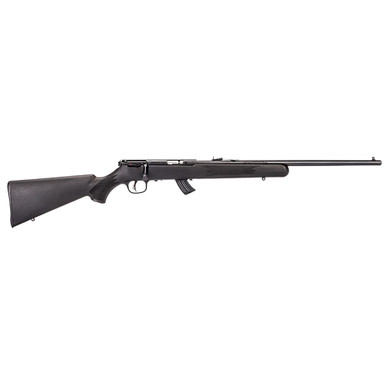
Savage Mark II .22 LR Deals
Prices may change. May contain affiliate links.
Ruger Precision Rimfire
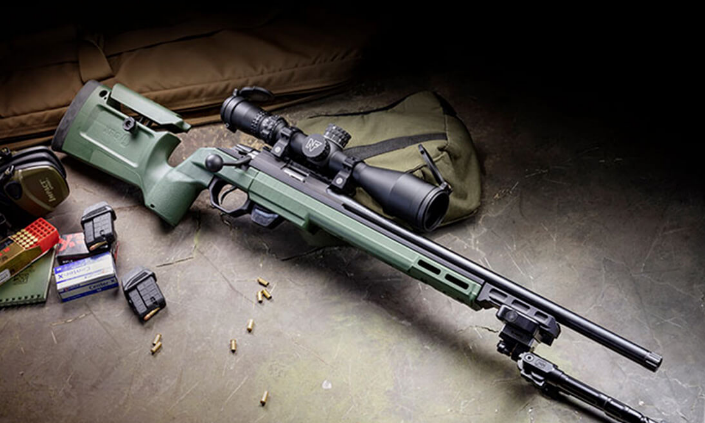
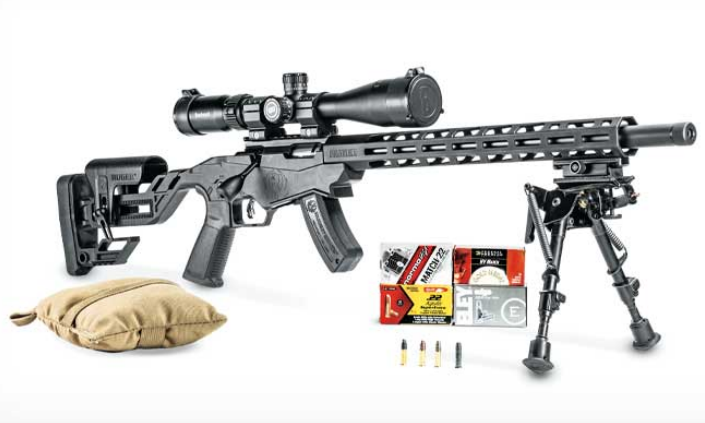
For those seeking a semi-automatic rifle that mimics centerfire precision platforms, the Ruger Precision Rimfire stands out as an excellent choice. This rifle incorporates many features found in its larger caliber counterparts; such as an adjustable stock, Picatinny rail system, and match-grade barrel; making it suitable for both training purposes and competition use.
With its ability to accept both standard AR-15 grips and accessories like bipods or optics mounts, this model provides users with ample opportunities for customization while maintaining accuracy at extended ranges.
The enduring legacy of the .22 LR rifle
The impact of the .22 LR rifle extends far beyond its initial introduction over a century ago. Its contributions to marksmanship training cannot be overstated; many professional marksmen credit their foundational skills to time spent honing their abilities with this versatile cartridge.
Moreover, its affordability continues to make it accessible for new shooters entering the sport; a crucial factor in fostering interest within younger generations passionate about firearms education and safety practices.
Environmental considerations
As discussions surrounding environmental sustainability grow increasingly relevant within our communities today; especially regarding hunting practices; it's worth noting that small game hunting with .22 LR has minimal ecological impact when conducted responsibly. By utilizing this caliber effectively while observing local regulations regarding wildlife conservation measures, responsible hunters can enjoy successful outings without compromising ecosystems they cherish.
Field notes
In preparation for an upcoming small game hunting season, an experienced shooter decides it's time to introduce their child to rifle shooting using a .22 LR model. They choose a Ruger 10/22 due to its lightweight design and reputation for reliability. Together they head out to local ranges where they practice various skills; from basic marksmanship fundamentals like breathing control; to navigating diverse shooting positions on targets placed at varying distances.
Through diligent practice sessions focused on safety protocols while emphasizing fun aspects associated with learning firearms handling techniques; the parent instills confidence within their child as they bond over shared experiences using this iconic cartridge platform.

Anschutz Match Rifle .22 LR Deals
Prices may change. May contain affiliate links.
Common mistakes
As we reflect on our journey through understanding the history and evolution of the .22 LR rifle, it's important to highlight some common mistakes that shooters often make:
Neglecting maintenance: Failing to clean your rifle regularly can lead to malfunctions or decreased accuracy over time.
Using improper ammunition: It's crucial to match ammunition types (e.g., high-velocity vs subsonic) with your specific rifle's design for optimal performance.
Ignoring optics selection: Not pairing your rifle with appropriate optics can hinder your ability to engage targets effectively; especially at longer ranges.
Overlooking ergonomics: Choosing a rifle that lacks customizable features may limit comfort during extended shooting sessions.
Underestimating recoil management: While .22 LR has minimal recoil compared to larger calibers, improper stance or grip can still affect accuracy; practice good fundamentals!
Conclusion
The journey of the .22 Long Rifle from its inception to present-day applications showcases not only technological advancements but also its enduring appeal among shooters worldwide. Whether you're honing your skills at local ranges or venturing into small game hunting expeditions; the versatility offered by this cartridge continues to inspire generations of enthusiasts passionate about firearms culture.