
Essential maintenance tips for AR-15 gas systems and performance
Maintaining an AR-15 gas system is crucial for ensuring optimal performance and longevity. As an experienced enthusiast, you know that the reliability of your rifle is heavily influenced by the efficiency of its gas system. This article will delve into the essential maintenance practices you should adopt to keep your AR-15 running smoothly, focusing on the gas system's components, cleaning techniques, and troubleshooting common issues.
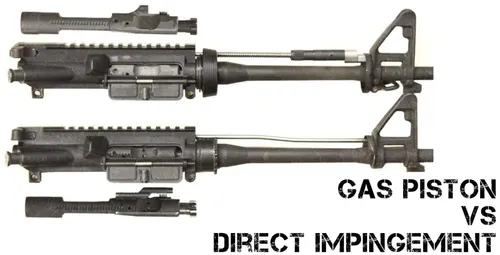
Understanding the AR-15 gas system
Before diving into maintenance tips, it's important to understand how the AR-15 gas system operates. The gas system is responsible for cycling the action of the rifle, using propellant gases from fired cartridges to operate the bolt carrier group (BCG). Key components of the gas system include:
Gas block: This component collects gases from the barrel and directs them into the gas tube.
Gas tube: A hollow tube that channels gas from the gas block to the BCG.
Bolt carrier group (BCG): Houses the bolt, firing pin, and cam pin; it is responsible for chambering and ejecting cartridges.
Pros and cons of the AR-15 gas system
Pros
Reliability: When properly maintained, gas-operated systems like the AR-15 can cycle reliably under various conditions.
Ease of use: The design allows for quick follow-up shots with minimal effort.
Customizability: Many aftermarket parts are available, allowing for tailored performance.
Cons

Carbon buildup: The direct impingement method can lead to significant fouling, requiring regular cleaning.
Heat generation: The gas system can become hot during sustained fire, potentially affecting performance.
Sensitive to ammo quality: Poor-quality ammunition can lead to malfunctions in a gas-operated system.
Regular cleaning practices
Cleaning your AR-15's gas system is essential to prevent malfunctions and ensure reliable operation. Here are key steps to follow:
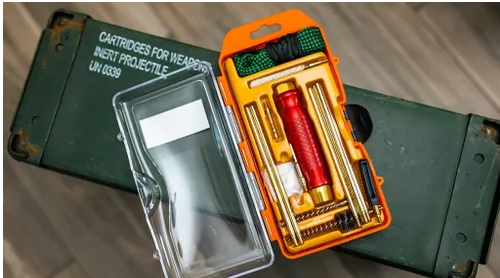
1. Gather necessary tools and materials
Before starting the cleaning process, gather all necessary tools and materials. You will need:
Cleaning rod and patches
Bore brush (appropriate caliber)
Solvent (preferably a carbon cutter)
Cotton swabs or pipe cleaners
A soft brush (like a toothbrush)
Gun oil or lubricant
Generic/multiple Bolt Carrier Group (BCG) Deals
Prices may change. May contain affiliate links.
2. Disassemble the rifle
Ensure your rifle is unloaded before disassembly. Remove the magazine and visually inspect the chamber. Then, follow these steps:
Pull the charging handle to the rear and lock it back.
Push out the takedown pins to separate the upper receiver from the lower.
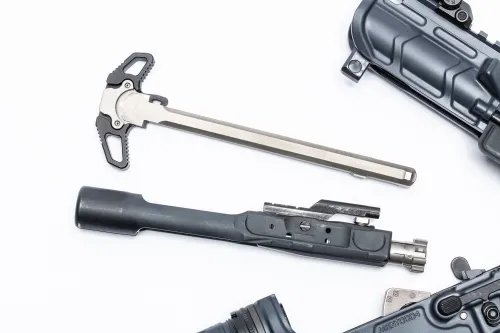
Remove the BCG by pushing down on the retaining pin and sliding it out.
Take out the charging handle.
3. Clean the gas block and tube
The gas block and tube are critical areas prone to fouling. Here's how to clean them effectively:
Gas block: Use a solvent-soaked patch or a soft brush to scrub around the gas port area. Make sure to remove any carbon buildup. If necessary, use a bore brush to clean inside the gas block.
Gas tube: Cleaning the gas tube can be tricky due to its length and narrowness. Use a cleaning rod with a patch attached or a specialized gas tube cleaning tool. Insert it into one end of the tube and push through until it exits the other side. Repeat until patches come out clean.
4. Clean the bolt carrier group
The BCG is another critical component that requires thorough cleaning:
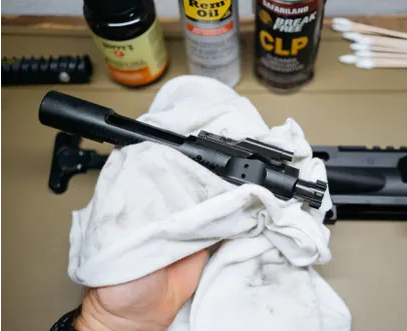
Using a soft brush, scrub away carbon buildup on the exterior of the BCG.
Remove the firing pin retaining pin and extract the firing pin.
Clean the firing pin channel with a cotton swab or pipe cleaner soaked in solvent.
Use a bore brush to clean the bolt face and locking lugs thoroughly.
Reassemble the BCG after cleaning, ensuring all components are free of debris.
5. Reassemble and lubricate
After cleaning all components, reassemble your rifle in reverse order of disassembly. Once reassembled, apply a light coat of lubricant to moving parts, including:
Bolt carrier
Charging handle
Pivot points on the upper receiver
Troubleshooting common issues
Even with regular maintenance, issues may arise in your AR-15's gas system. Here are some common problems and their potential solutions:
1. Failure to eject
If your rifle fails to eject spent casings, it may be due to insufficient gas pressure reaching the BCG:
Check for obstructions: Inspect the gas block for any obstructions that could impede gas flow.
Inspect ammunition: Ensure you are using quality ammunition that meets your rifle's specifications.
Examine extractor: A worn or damaged extractor can lead to ejection failures; replace it if necessary.
2. Short-stroking
Short-stroking occurs when the BCG does not travel far enough to cycle completely, often leading to failure to feed:
Gas leak: Check for leaks in the gas system, particularly around the gas block and tube connections.
Buffer weight: Ensure you have an appropriate buffer weight installed; an overly light buffer can lead to short-stroking.
3. Over-cycling
Conversely, over-cycling can cause excessive wear on components and result in malfunctions:
Buffer spring tension: A too-powerful buffer spring can cause over-cycling; consider using a lighter spring.
Gas port size: If you have modified your barrel or installed an adjustable gas block, ensure that your gas port size is appropriate for your setup.
Upgrading components for improved performance
If you want to enhance your AR-15's reliability and performance further, consider upgrading certain components within your gas system:

1. Adjustable gas blocks
An adjustable gas block allows you to fine-tune gas flow based on ammunition type or shooting conditions. This can help mitigate issues like over-cycling or short-stroking by allowing you to adjust how much gas enters the BCG.
2. Enhanced bolt carrier groups
Upgrading to an enhanced BCG can improve reliability by offering better materials and finishes that resist fouling and wear. Look for options with improved staking on the gas key or those made from high-quality steel.
3. Upgraded buffers
Using a heavier or adjustable buffer can help manage recoil and improve cycling reliability. Brands like H2 or H3 buffers offer different weights that can be tailored to your shooting style.
Common mistakes in maintenance
Maintaining your AR-15's gas system requires diligence and attention to detail. Here are some common mistakes shooters make:
Neglecting regular cleaning: Failing to clean your rifle after extended use can lead to significant fouling, which may cause malfunctions.
Using excessive lubricant: While lubrication is important, over-lubricating can attract dirt and debris, leading to additional fouling.
Ignoring signs of wear: Components like extractors and springs should be routinely inspected for wear; replacing them early can prevent larger issues later.
Using poor-quality ammunition: Inconsistent or low-quality ammunition can lead to issues in cycling; always choose reputable brands.
Failing to test after modifications: After upgrading components like adjustable gas blocks or buffers, conduct thorough testing to ensure reliability before relying on your rifle in critical situations.
Generic/multiple Upper Receiver Deals
Prices may change. May contain affiliate links.
Field note
Imagine you're at a local 3-gun match where quick follow-up shots are essential for scoring well. You've maintained your AR-15 diligently but decided to switch to an adjustable gas block for this event. During practice sessions leading up to match day, you fine-tune the settings based on different ammo types you've chosen for competition; some lighter loads for speed stages and heavier rounds for precision shots.
On match day, you find that your adjustments have resulted in smoother cycling without any failures to feed or eject, allowing you to focus entirely on your shooting performance rather than worrying about malfunctions.
Conclusion
In summary, maintaining your AR-15's gas system is vital for ensuring its reliability and performance in various shooting scenarios. By adopting regular cleaning practices, troubleshooting common issues, and considering component upgrades, you can keep your rifle running smoothly for years to come.
Remember that consistency in maintenance will yield dependable results on the range or in competition settings. Keep these tips in mind as you continue honing your skills with this versatile platform.