The 6.5 Creedmoor and .260 Remington are two of the most commonly compared cartridges in the long-range shooting world, and for good reason: they are remarkably similar. Both fire the same .264-inch diameter bullets, produce comparable velocities, and generate nearly identical trajectories. The differences that matter are practical, not ballistic, and understanding that distinction is the key to choosing between them.
Cartridge specifications
The .260 Remington arrived in 1997 as Remington's commercial standardization of the 6.5-08 wildcat, which competitive shooters had been running for years by necking the .308 Winchester down to accept 6.5mm bullets. The 6.5 Creedmoor followed in 2007, designed by Hornady's Dave Emary and Dennis DeMille specifically to solve practical problems that the .260 Remington had in competition.
Both cartridges share the same .473-inch rim diameter and fit in short-action magazines. The key dimensional differences:
.260 Remington: 2.035-inch case length, 53.5 grains H₂O case capacity, SAAMI max pressure 60,000 psi, standard twist 1:9
6.5 Creedmoor: 1.920-inch case length, 52.5 grains H₂O case capacity, SAAMI max pressure 62,000 psi, standard twist 1:8
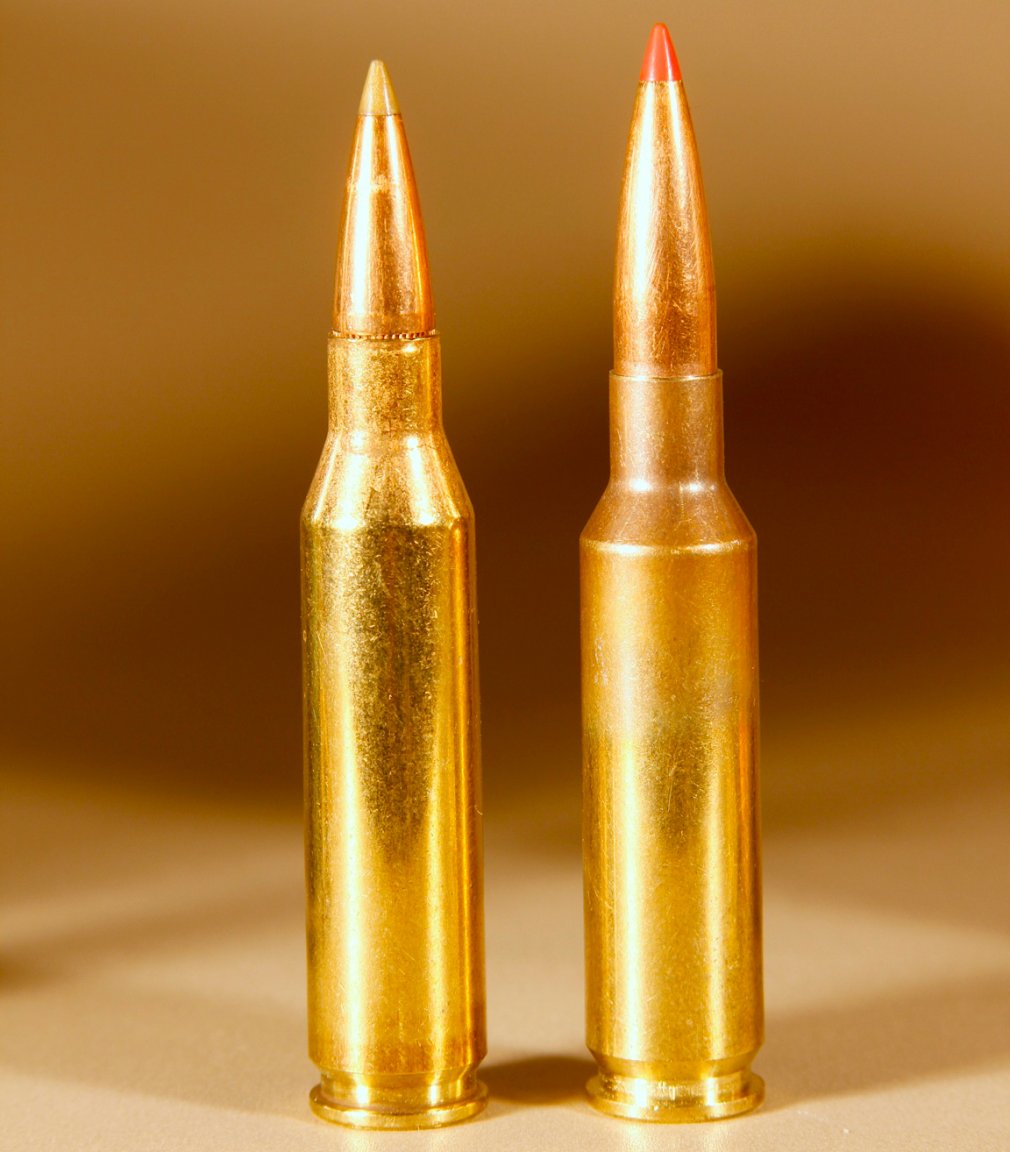
The .260 Remington holds roughly one grain more powder. The 6.5 Creedmoor runs at 2,000 psi higher SAAMI pressure, which partially offsets the capacity difference, but the .260 Remington retains a small velocity advantage with identical bullets; typically 40 to 100 fps depending on the load.
Ballistic coefficient: a bullet property, not a cartridge property
One of the most common misconceptions in this comparison is assigning different ballistic coefficients to each cartridge. BC is determined entirely by the bullet's shape, weight, and diameter. A Hornady 140-grain ELD Match bullet has a G1 BC of 0.646 and a G7 BC of 0.326 regardless of whether it's loaded in a 6.5 Creedmoor case or a .260 Remington case. Once the bullet leaves the barrel, the case behind it is irrelevant.
So why does the 6.5 Creedmoor have a reputation for better ballistic performance? The answer is twist rate and bullet seating, not the cartridge's inherent ballistics.
Twist rate: the real differentiator
The standard rifling twist for the 6.5 Creedmoor is 1:8 (one rotation per 8 inches). The .260 Remington was historically chambered with a 1:9 twist. That single inch of difference determines which bullets each cartridge can stabilize.

A 1:8 twist comfortably stabilizes the longest, heaviest 6.5mm match bullets: the 140-grain ELD Match, the 147-grain ELD Match (G1 BC 0.697), and the 140-grain Berger Hybrid Target. A 1:9 twist can handle most 140-grain bullets but may struggle with the 147-grain class and some very long, low-drag designs.
The practical result is that the 6.5 Creedmoor, as a system, tends to shoot higher-BC bullets more reliably out of factory rifles. A .260 Remington built with a 1:8 twist barrel would shoot those same bullets just as well, and with a small velocity advantage from the larger case. But most factory .260 Remington rifles don't ship that way.
Velocity and energy
Because the .260 Remington has about one grain more case capacity, it can push the same bullet slightly faster than the 6.5 Creedmoor. Typical factory ammunition velocities with 140-grain bullets:
6.5 Creedmoor: 2,700 to 2,710 fps
.260 Remington: 2,740 to 2,760 fps
Handloaders can push the .260 Remington further still, sometimes exceeding 2,800 fps with 140-grain bullets, though this approaches the limits of safe pressure in some rifles. The 6.5 Creedmoor's higher SAAMI pressure ceiling partially closes this gap.
At the muzzle, both cartridges with a 140-grain bullet produce approximately 2,250 to 2,350 ft-lbs of energy. The velocity difference of 40 to 60 fps translates to a negligible energy difference at any range.
Real drop and wind drift data
The following table uses the Hornady 140-grain ELD Match at 2,710 fps (a representative 6.5 Creedmoor factory load) with a 100-yard zero, standard atmosphere, and a 10 mph full-value crosswind. Because the .260 Remington fires the same bullet at a similar velocity, its trajectory is nearly identical; the 40 to 60 fps velocity difference produces less than 0.1 MIL of additional drop at 800 yards and less than 2 inches of additional wind drift at 1,000 yards.
Data computed using a G7 point-mass solver with G7 BC 0.315, 100-yard zero, 1.8-inch sight height, standard atmosphere (59°F, 29.92 inHg). Drop and wind values are come-up corrections. Source: Long Range Science ballistics engine.
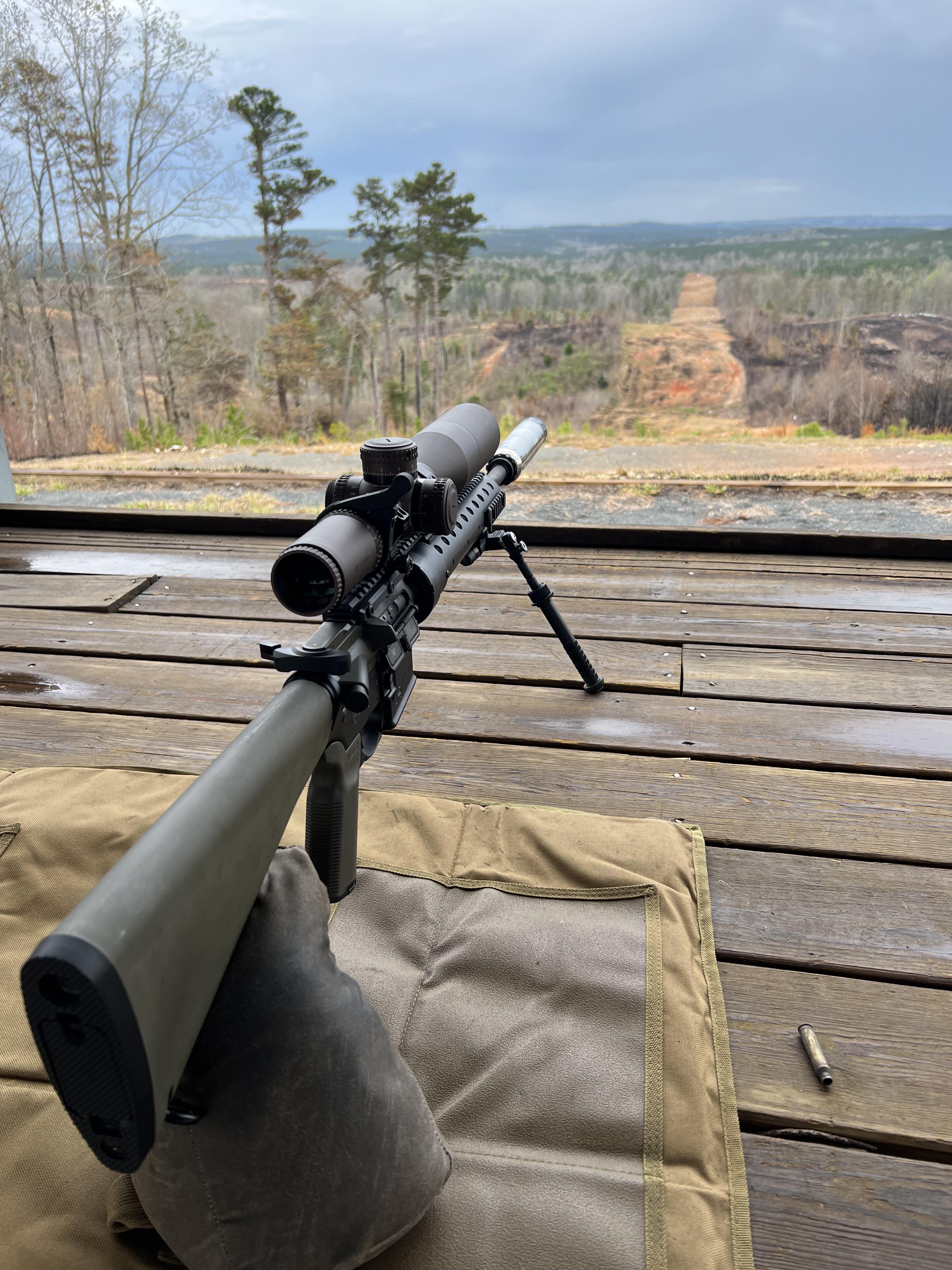
To put these numbers in practical terms: at 800 yards, bullet drop is approximately 177 inches (about 14.7 feet), and a 10 mph crosswind pushes the bullet roughly 41 inches laterally. At 1,000 yards, drop reaches approximately 318 inches (over 26 feet), and wind drift is approximately 69 inches. These numbers underscore why wind reading, not cartridge selection, is the dominant skill in long-range shooting.
The bullet remains supersonic to approximately 1,380 yards in standard conditions and retains over 1,000 ft-lbs of energy to roughly 710 yards.
Recoil
Both cartridges produce mild, manageable recoil from a typical 8 to 10 pound rifle. Free recoil energy for either cartridge with a 140-grain bullet falls in the range of 12 to 15 ft-lbs depending on rifle weight, powder charge, and muzzle velocity. The small velocity difference between the two cartridges produces no perceptible difference in felt recoil. Both are substantially lighter-recoiling than the .308 Winchester with comparable bullet weights, which is a significant part of their appeal for competition and extended range sessions.
Why the 6.5 Creedmoor dominates the market
If the two cartridges are ballistic twins, why has the 6.5 Creedmoor become overwhelmingly more popular? The advantages are commercial and practical, not ballistic:
Ammunition availability. The 6.5 Creedmoor has far more factory ammunition options from virtually every manufacturer. Match-grade, hunting, and training loads are widely stocked. The .260 Remington has fewer factory options and can be harder to find in some regions.
Rifle availability. Nearly every bolt-action rifle manufacturer offers models in 6.5 Creedmoor. The .260 Remington has a much smaller selection of factory rifles, though custom builds in .260 Rem remain common.
Optimized chamber design. The 6.5 Creedmoor's shorter case was specifically designed to allow long, high-BC bullets to be seated without exceeding short-action magazine length. The .260 Remington's longer case can force deep bullet seating with the longest match bullets, reducing powder capacity and potentially affecting accuracy.
Standardized 1:8 twist. The Creedmoor ships with the twist rate needed for heavy match bullets. With the .260 Remington, you may need a custom barrel to get the same capability.Military adoption. SOCOM's adoption of the 6.5 Creedmoor for the M110A1 CSASS further expanded ammunition development and supply chain support.
When the .260 Remington makes sense
The .260 Remington is not obsolete, and in some situations it's the better choice:
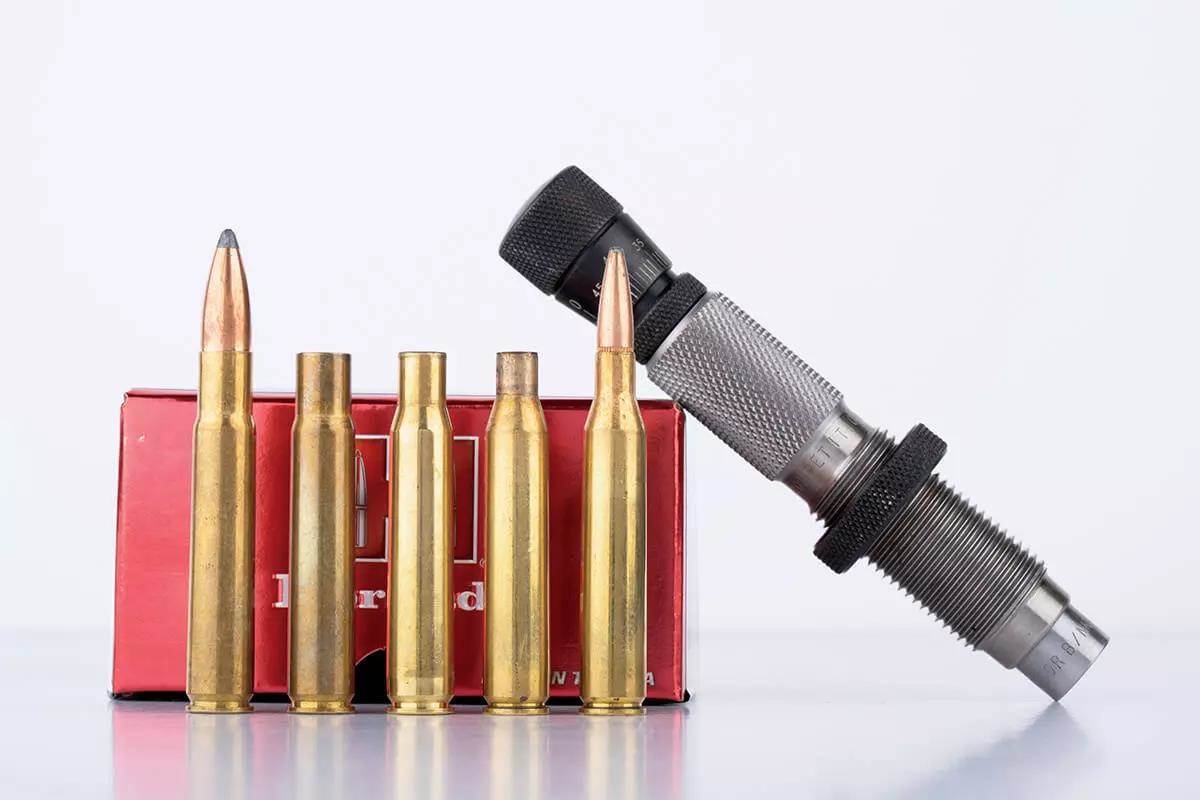
Handloading flexibility. The .260 Remington case can be formed from .308 Winchester brass, which is among the cheapest and most available rifle brass in the world. This matters for high-volume shooters who go through significant quantities of brass.
Existing rifles and tooling. If you already own a quality .260 Remington rifle with a 1:8 twist barrel, switching to 6.5 Creedmoor gains you nothing ballistically and costs you a new barrel and load development.
Slight velocity edge. For handloaders chasing every last fps, the .260 Remington's extra grain of case capacity provides a small but real velocity advantage with heavy bullets.
Common mistakes when switching between cartridges
Neglecting dope updates. Failing to recalibrate dope cards after switching cartridges can lead to significant misses, even between cartridges this similar. A 50 fps velocity difference shifts your 1,000-yard solution by roughly 0.2 MIL.
Ignoring environmental conditions. Wind effects vary with different loads. Always reassess wind conditions before shooting, and remember that air density changes (altitude, temperature, humidity) affect both cartridges equally.
Overlooking bullet selection. Not all bullets perform equally. Ensure selected bullets match your intended use and that your rifle's twist rate stabilizes them. A bullet that shoots well in your 1:8 twist Creedmoor may not stabilize in a 1:9 twist .260 Remington.
Inconsistent shooting positions. Transitioning between rifles may yield different point-of-impact shifts. Practice consistently with each setup.
Assuming ballistic differences that don't exist. The most common mistake in this specific comparison is believing the two cartridges perform meaningfully differently at range. If you're shooting the same bullet at similar velocities, the trajectories are functionally identical.
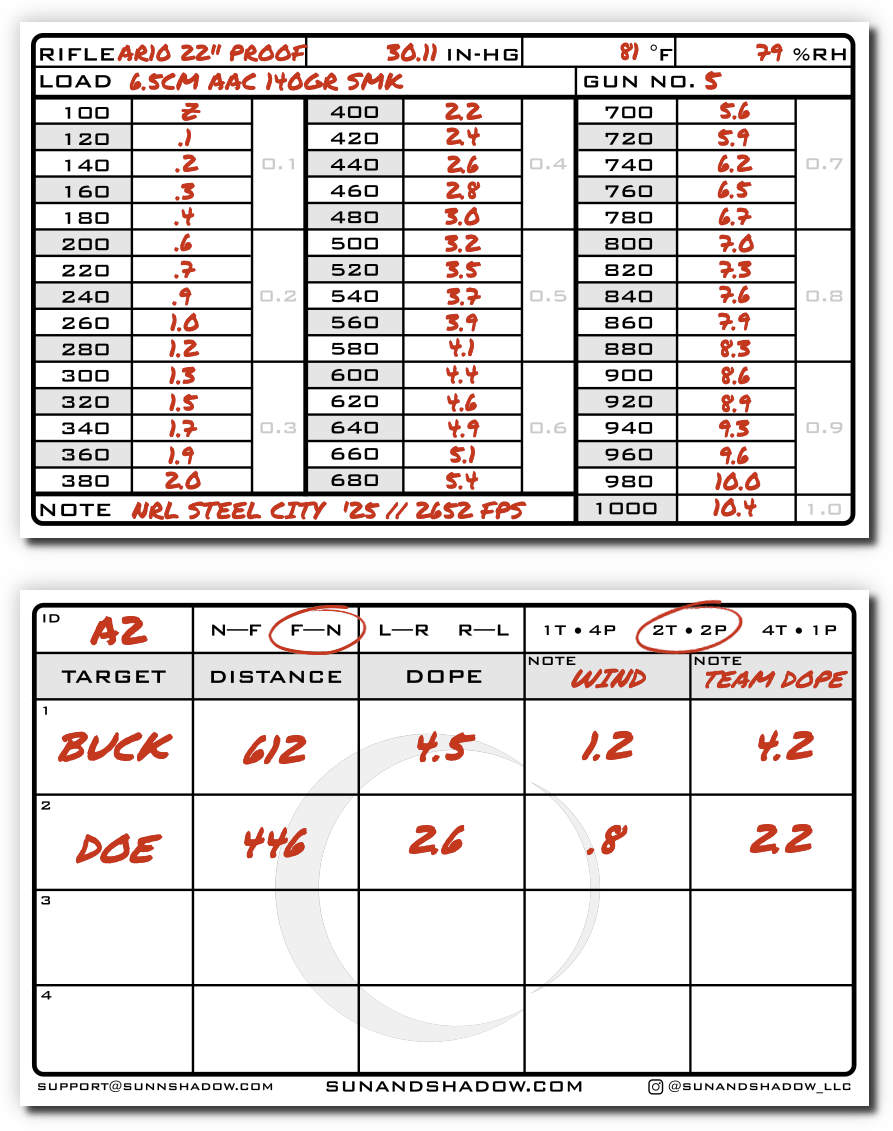
Dope card checklist
To maximize your success with either cartridge during matches or training sessions, keep this checklist handy:
Include distances ranging from 100 to 1,000 yards in your preferred unit (MIL or MOA).
Note wind brackets for different conditions (calm, 5 mph, 10 mph, 15+ mph).
Document density altitude and temperature for each shooting location.
Plan confirmation shots at a known distance before engaging targets at unknown distances.
Record any inconsistencies noted during practice or matches.
True your data card against actual steel hits; never trust a published chart (including this one) as verified DOPE.
Conclusion
The 6.5 Creedmoor and .260 Remington are, ballistically, the same cartridge in different packaging. They fire the same bullets at nearly the same velocities and produce nearly the same recoil. The 6.5 Creedmoor's dominance comes from better commercial support, a chamber optimized for long match bullets, and a standard twist rate that handles the full range of available 6.5mm projectiles.
If you're starting fresh, the 6.5 Creedmoor is the practical choice simply because ammunition and rifle selection make your life easier. If you already shoot a well-built .260 Remington with the right twist rate, you're not missing anything at the target.