Building the Perfect Small Game Setup: Gear and Tactics for Success
Building the perfect small game setup: gear and tactics for success
When it comes to small game hunting, having the right setup can make all the difference. Whether you're pursuing rabbits in thick brush or squirrels in towering oaks, your gear and tactics need to align with the challenges of your chosen environment. In this article, we’ll focus on building an effective small game setup for hunting in wooded terrain, typically at distances under 100 yards.
The goal is to equip you with the knowledge to make informed decisions about your gear, shooting techniques, and field tactics. Safety, ethics, and ensuring clean kills are paramount in every hunting scenario, especially when targeting smaller game.
Choosing the right firearm
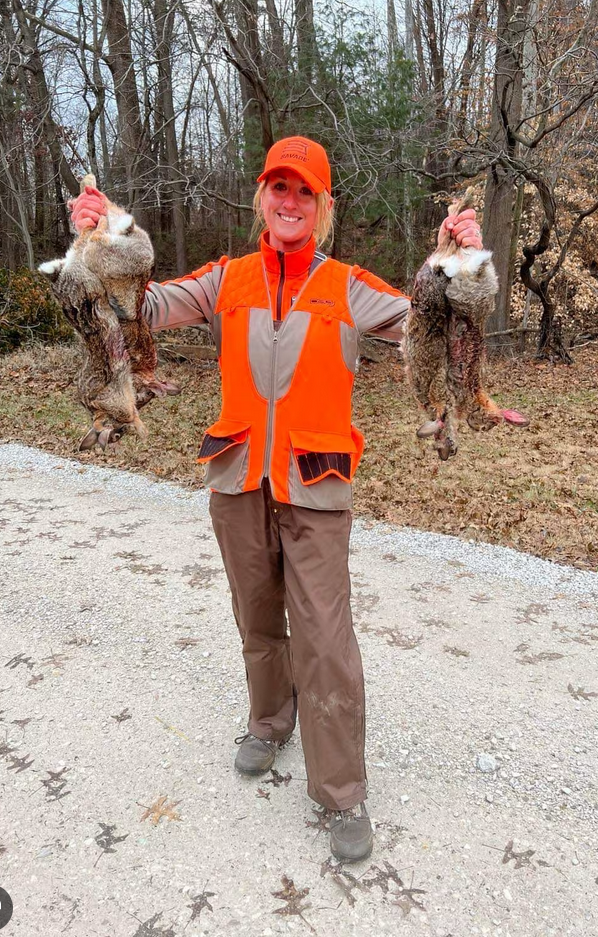
The foundation of a successful small game setup starts with selecting an appropriate firearm. A lightweight rifle or shotgun is often ideal for maneuverability and ease of carry in dense woods. Here are some options to consider:
.22 LR rifle
The .22 Long Rifle is a classic choice for small game due to its low recoil, affordability, and availability. It offers effective performance on rabbits, squirrels, and other small animals at ranges up to 100 yards. Opt for a bolt-action or semi-automatic design, depending on your preference for follow-up shots.
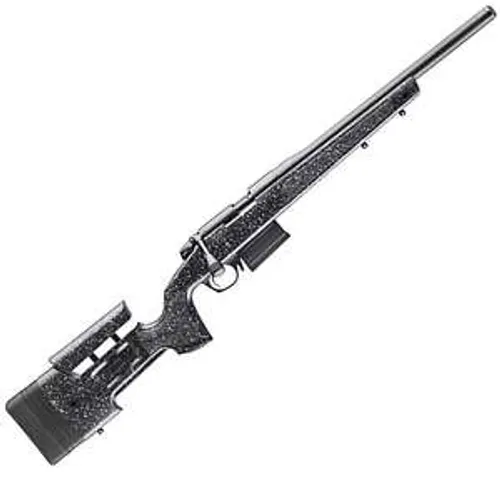
Pros: Quiet operation, minimal recoil, and inexpensive ammunition.
Cons: Limited stopping power on larger small game species if not placed correctly.
Shotgun (20-gauge or .410)
A shotgun can be particularly effective for small game hunting, especially in more open areas or where quick shots may be necessary. Both the 20-gauge and .410 offer manageable recoil and sufficient shot spread for taking down fast-moving targets.
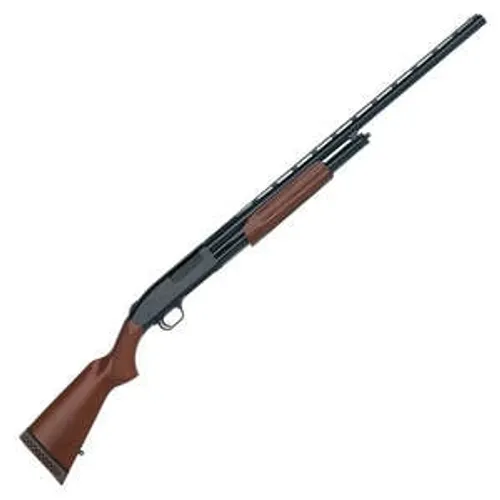
Pros: Versatile; effective at close range with multiple shot sizes.
Cons: Requires careful ammunition selection and can be less precise than a rifle.
Air rifles
For those looking for a quieter option, air rifles have gained popularity among small game hunters. They can be surprisingly effective with the right pellets and provide a stealthy approach to hunting.
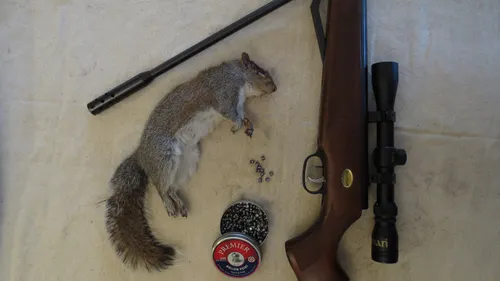
Pros: Quiet operation and minimal disturbance to wildlife.
Cons: Limited power may require closer shots.
Optics for small game hunting
Selecting the right optic can enhance your accuracy and confidence when taking shots at small game. Given the typical distances involved, here are some considerations:
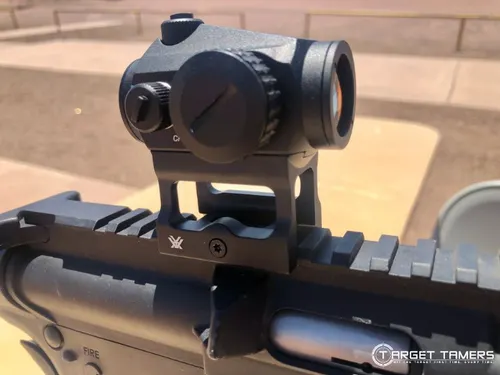
Red dot sights
A red dot sight can be a great choice for quick target acquisition. They allow you to maintain peripheral vision while keeping both eyes open, which is beneficial when tracking fast-moving animals.
Pros: Fast target acquisition and good for low-light situations.
Cons: Limited magnification for longer distances; best suited for close-range shots.
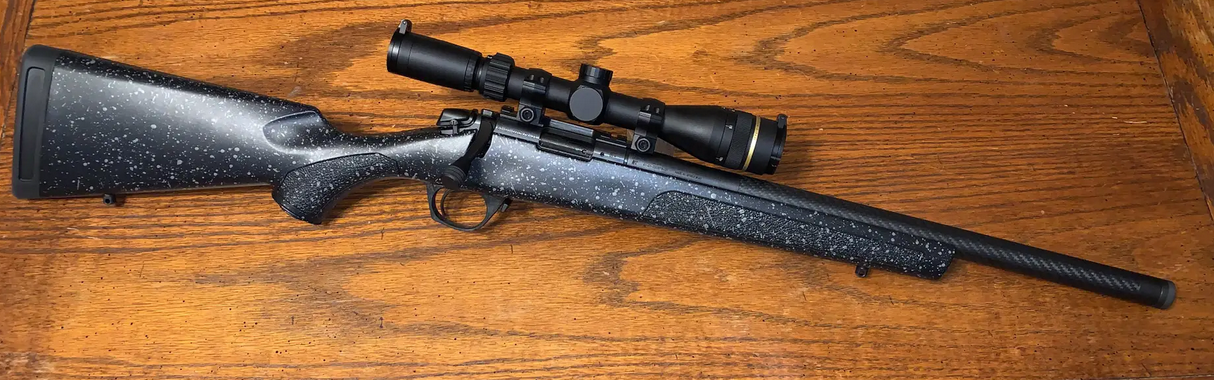
Low-power variable scopes
A low-power variable scope (1-4x or 2-7x) offers versatility for small game hunting. You can adjust the magnification based on your shooting distance and environment.
Pros: Flexibility in magnification allows for better targeting in varying conditions.
Cons: Slightly heavier than red dot sights; may require more time to acquire a target compared to an open sight.
Ammunition selection
Choosing the right ammunition is crucial for effective small game hunting. The type of ammo you select will impact accuracy, expansion, and overall effectiveness. Here’s what to consider:
.22 LR ammunition types
Standard velocity: Provides consistent accuracy with manageable noise levels. Ideal for close-range shots.
Hollow points: Offer greater expansion upon impact, increasing the likelihood of a clean kill.
Subsonic: Designed to reduce noise, making it suitable for stealthy approaches.
Shotgun shells
For shotguns, consider using smaller shot sizes like #6 or #7.5 for small game hunting. These sizes provide a good balance between spread and penetration at close ranges.
- Non-toxic options: In some areas, non-toxic shot is mandated for waterfowl hunting; check local regulations to ensure compliance.
Gear considerations
Beyond firearms and optics, several additional pieces of gear will enhance your small game hunting experience:
Clothing
Dress appropriately for the conditions you’ll be facing every time. Lightweight, breathable layers work best in mild weather, while insulated outer layers are necessary for colder temperatures. Consider these details:
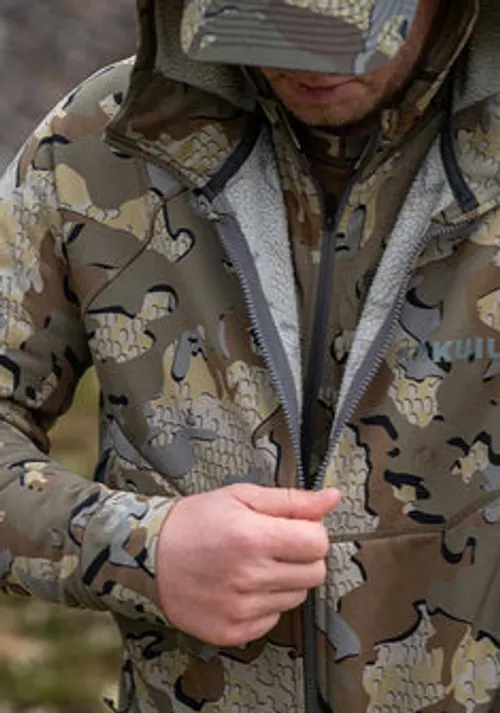
Camouflage patterns: Blend into your surroundings effectively while remaining silent as you move through the woods.
Footwear: Sturdy boots with good traction will help you navigate uneven terrain without disturbing wildlife.
Packs and accessories
Carrying a well-organized pack ensures you have everything you need during your hunt. Here are some essentials:
Day pack: Lightweight with enough space for snacks, water, and gear.
Game bags: Essential for transporting harvested animals while keeping them clean.
First aid kit: Always carry a basic first aid kit in case of minor injuries.
Field tactics for success
Knowing how to approach small game hunting is just as important as having the right gear. Here are some field tactics that can improve your chances of success:
Understanding animal behavior
Familiarize yourself with the habits of your target species. For instance:
Rabbits: Often feed during dawn and dusk; look for trails or droppings near cover.
Squirrels: Spend time in trees; listen for their chatter and watch for movement among branches.
Stalking techniques
Quietly moving through your environment is key to getting close enough for an ethical shot. Here are some tips:
Slow movement: Take deliberate steps, pausing frequently to scan your surroundings.
Use terrain features: Stay low and use natural cover whenever possible.
Shot placement
When taking a shot at small game, aim for vital areas to ensure a humane kill:
For rabbits, aim behind the front shoulder toward the heart-lung area.
For squirrels, aim just behind the eye or at the base of the skull.
Training Corner
To build proficiency with your small game setup, practice regularly at the range with drills tailored to simulate field conditions. Here's a simple drill:
Set up various targets at different distances (25, 50, 75 yards).
Practice shooting from different positions, such as sitting, kneeling, and standing.
Incorporate movement by walking between targets before shooting.
Time yourself to increase speed while maintaining accuracy.
Adjust your focus based on typical shooting scenarios you might encounter during an actual hunt.
Regular practice will help you become more comfortable with your gear and improve your decision-making skills in the field.
Checklist for small game hunting
Before heading out into the field, ensure you have completed these essential checks:
Confirm zero on your firearm and optic.
Pack appropriate ammunition (consider types based on target).
Dress in suitable clothing for weather conditions.
Carry a well-stocked day pack with essentials (snacks, water, first aid).
Bring necessary tools (knife, game bags) for processing harvested animals.
Common mistakes
Even experienced hunters can make errors that affect their success in the field. Here are some common pitfalls to watch out for:
Not practicing enough: Regular training builds muscle memory and enhances confidence.
Ignoring wind direction: Failing to account for wind can lead to poor shots or missed opportunities.
Rushing shots: Take your time to ensure proper alignment and shot placement.
Neglecting camouflage: Failing to blend into your surroundings can alert wildlife to your presence.
Overestimating range capabilities: Be realistic about your effective shooting distance and avoid taking marginal shots.
Conclusion
Building an effective small game setup requires consideration of various factors including firearm selection, optics, ammunition choice, gear preparation, and field tactics. By understanding the habits of your target species and honing your skills through regular practice, you’ll increase your chances of making clean kills while enjoying the thrill of small game hunting.