
9mm +P Defensive Ammo: Speer Gold Dot vs. Hornady Critical Defense
When it comes to 9mm +P defensive ammunition, two prominent options stand out: Speer Gold Dot and Hornady Critical Defense. Both are designed for self-defense but use different technologies and philosophies in their construction. Understanding how these loads behave can help you make an informed choice for your defensive needs. This analysis will focus on the performance of these two offerings in terms of velocity, energy, terminal behavior, and practical implications for shooters.
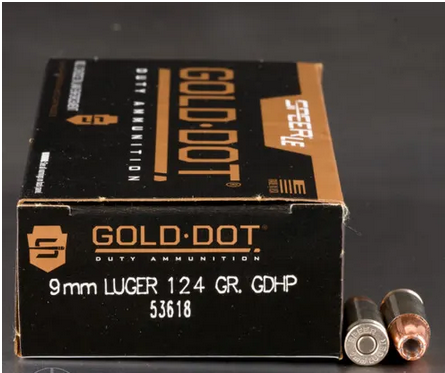
Speer Gold Dot 9mm +P 124-grain Deals
Prices may change. May contain affiliate links.
Baseline specs and test setup
The 9mm Luger, particularly in its +P configuration, is a widely used cartridge known for its balance of manageable recoil and effective terminal ballistics. The Sporting Arms and Ammunition Manufacturers' Institute (SAAMI) specifies a maximum pressure of 38,500 psi for standard 9mm loads, while +P loads can reach up to 38,500 psi. This increased pressure translates into higher velocities and potentially greater energy transfer upon impact.
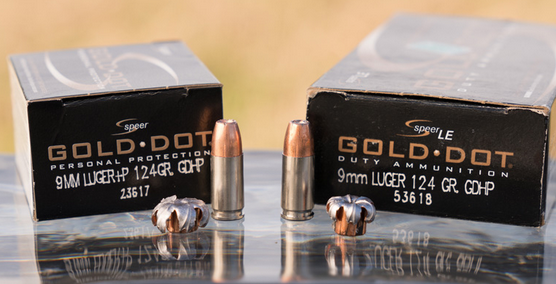
Both Speer Gold Dot and Hornady Critical Defense typically feature bullet weights of 124 grains for their standard defensive loads. For testing purposes, you should consider using a barrel length of 4 inches, which is common in many compact and service pistols. Performance can vary significantly with shorter barrels, so it's essential to verify results with your specific firearm.
Inside the gun: pressure, recoil, and consistency
Internal ballistics play a crucial role in how these rounds perform. The powder composition affects not only velocity but also the recoil impulse felt by the shooter. Speer Gold Dot ammunition uses a bonded core design, which helps maintain bullet integrity during expansion. This design typically results in a more consistent performance through barriers, which is critical for self-defense scenarios.
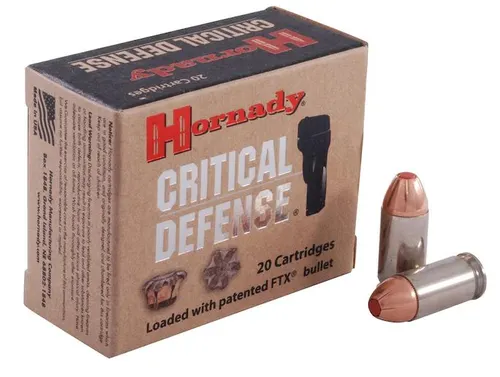
The Hornady Critical Defense load features a flexible polymer tip that aids in reliable expansion while also enhancing feeding in semi-automatic firearms. This load tends to produce a slightly sharper recoil impulse due to its lighter bullet weight when compared to some heavier defensive options. You might notice a more pronounced muzzle rise when firing Critical Defense; while Gold Dot's heavier construction may feel more stable during rapid fire.
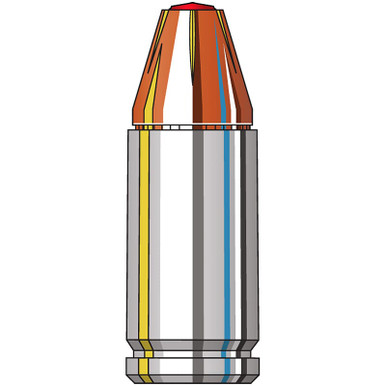
Hornady Critical Defense 9mm +P 124-grain Deals
Prices may change. May contain affiliate links.
In flight: trajectory and zero strategy
When discussing external ballistics, both Gold Dot and Critical Defense have favorable velocity retention and minimal drop at typical engagement distances. Expect the Speer Gold Dot 124-grain +P load to achieve approximately 1,150 fps from a 4-inch barrel, generating around 368 ft-lbs of energy. In contrast, the Hornady Critical Defense load is also designed to maintain a similar velocity but may vary slightly based on individual lot consistency.
At 25 yards, both loads should exhibit only minor drop, typically within an inch or two, making them effective for quick engagements. However, if you plan on engaging targets beyond this range, you might want to account for bullet drift due to wind. Both loads should remain relatively stable within the first 50 yards but keep in mind that environmental factors can influence your shot placement.
On target: terminal behavior and role fit
Terminal performance is where these two rounds can differ significantly. In gel tests simulating human tissue, Speer Gold Dot typically demonstrates reliable expansion and penetration depth, often achieving around 13–15 inches in gelatin while expanding to about 1.5 inches in diameter. This makes it suitable for self-defense scenarios where deep penetration is necessary without over-penetrating.
On the other hand, Hornady's Critical Defense load is engineered specifically for consistent expansion even through clothing or light barriers. It tends to expand reliably to about 1.1 inches while maintaining penetration depths similar to Gold Dot. While both rounds serve well for personal defense, Gold Dot may offer an edge in barrier performance due to its bonded construction.
Factory loads that matter (with comparison)
Here's a comparison of the key specifications and expected performance of each load:
Both loads are designed for defensive use but cater to slightly different preferences in terms of terminal performance and handling characteristics.
Verifying it yourself: chrono, groups, and notes
To ensure you're making an informed decision based on real-world data, you should chronograph both loads from your own firearm. Pay attention to velocity variations between lots; it's common to see single-digit standard deviations in velocities. Documenting your findings, such as group sizes at various distances, will offer insights into how each load performs under your specific conditions.
If you mix lots of ammunition or switch between different brands, be prepared for noticeable shifts in point of impact (POI). A few inches at 25 yards can mean the difference between a hit or miss in a critical situation.
Common mistakes
Neglecting to chrono: Always check the velocity from your specific firearm; factory numbers may not reflect your actual performance.
Ignoring recoil differences: Different bullet constructions lead to varied recoil profiles; practice with your chosen load to understand what to expect.
Failing to verify POI: Mixing different lots or brands can lead to significant shifts in POI; always confirm your zero when changing ammunition.
Overlooking environmental factors: Wind and other conditions can affect your accuracy; practice under realistic conditions.
Assuming all JHPs behave the same: Each load has unique characteristics; don't assume they will perform identically in real-world scenarios.
Spec Check
A key spec transition occurs when comparing the performance of these two loads, particularly their penetration depths and expansion characteristics. For example, while both rounds are capable of expanding effectively, the Speer Gold Dot's bonded design may yield better barrier penetration and overall consistency in terminal performance. This could translate into a noticeable difference in group size or POI shift when engaging targets through intermediate barriers.
Choosing between Speer Gold Dot and Hornady Critical Defense ultimately depends on your intended use and preferences regarding recoil management and terminal performance. Both are solid choices for self-defense applications; however, verifying their behavior through testing will ensure you select the best option for your needs.