The Springfield M1903 rifle, an iconic American firearm, has a rich history that spans both World Wars and beyond. As a collector, understanding the nuances of various Springfield 1903 variants is essential for accurate identification and valuation. This guide will delve into the specific markings, features, and historical context of these rifles, ensuring you are well-equipped to discern between original configurations and later modifications. An excellent guide to these neat rifles is the book "An Illustrated Guide to the '03 SPRINGFIELD SERVICE RIFLE" by Bruce N. Canfield.


Springfield M1903 rifle Deals
Prices may change. May contain affiliate links.
Historical Context and Production Overview
The Springfield M1903 was adopted by the U.S. Army in 1903, with production commencing at the Springfield Armory. Initially designed as a bolt-action service rifle, it was chambered for the .30-06 Springfield cartridge, which became the standard round for U.S. military rifles. Over its long service life, the M1903 underwent several modifications and variations, reflecting changing military needs and technological advancements.
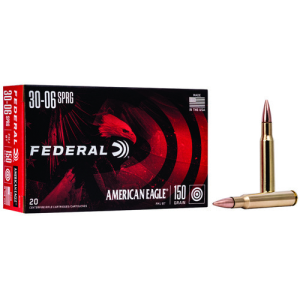
Federal .30-06 Springfield cartridge Deals
Prices may change. May contain affiliate links.
Springfield M1903 rifle .30-06 Springfield
May contain affiliate links.

During World War I, production ramped up significantly, with over 800,000 units manufactured by the end of the conflict. The rifle saw further updates during World War II, leading to a range of models that collectors now seek. Notably, the rifle was also produced under contract by the Rock Island Arsenal, adding another layer of complexity to its identification.

Key Production Dates and Contract Details
Springfield Armory: Produced the majority of M1903 rifles from 1903 until 1936.
Rock Island Arsenal: Manufactured M1903 rifles from 1904 to 1919. Notable for their unique markings and slightly different machining techniques.
Rebuild Programs: After both World Wars, many M1903 rifles were refurbished or rebuilt, often leading to mixed parts from different production eras.

Rock Island Arsenal M1903 rifle Deals
Prices may change. May contain affiliate links.
Understanding these production timelines is essential for collectors looking to verify the authenticity of their rifles.
Markings and Configuration Details
Identifying the specific variant of a Springfield 1903 involves examining several key markings and configuration details. Here’s what to look for:

Receiver Markings
The receiver is typically marked with the manufacturer’s name and the model designation. Look for:
Springfield Armory: Marked as “U.S. Springfield Armory Model 1903.” Early models may have “Springfield” in a single line above the serial number.
Rock Island Arsenal: These rifles will be marked “U.S. Rock Island Arsenal Model 1903,” often with additional inspection marks unique to this facility.
The location of these markings can vary slightly depending on the production year. Pay attention to font styles and spacing as well.
Barrel Markings
Barrel markings provide insight into the rifle's production date and any subsequent refurbishments:
Date Stamp: Typically located on the left side of the barrel near the receiver. This stamp indicates when the barrel was manufactured.
Inspection Marks: Look for acceptance marks such as a “P” proof mark on the barrel or stock. These indicate that the firearm underwent official inspection.
Stock Features
The stock is another critical area for identification:
Stock Cartouches: Original stocks may feature cartouches stamped on the left side, indicating inspection or acceptance by military personnel. Common stamps include those from inspectors like “FJA” (Frank J. Atwood) or “RSG” (Robert S. Gifford).
Stock Variations: Early models featured a straight stock, while later versions incorporated a more pronounced pistol grip. Understanding these changes can help pinpoint the model year.

Comparison of Notable Variants
To assist collectors in identifying different Springfield 1903 variants, here’s a comparison of some key models:
Springfield armory M1903 Early rifle
May contain affiliate links.
Springfield armory M1903A1 rifle
May contain affiliate links.
Springfield armory M1903 with Mark I Mod. rifle
May contain affiliate links.
Springfield armory National Match M1903 rifle
May contain affiliate links.
Each of these variants has unique characteristics that affect value and collectibility. Understanding these differences will aid in making informed decisions when acquiring or appraising an M1903.
Documentation and Provenance
When collecting Springfield 1903 rifles, documentation plays a crucial role in verifying authenticity and provenance. Collectors should prioritize obtaining:
Serial Number Records: Documenting the serial number helps establish production dates and ownership history.
Inspection Papers: Original inspection papers or military records enhance provenance and value.
Photographic Evidence: High-quality photographs of markings, parts, and overall condition assist in future evaluations.
Common Fakes and Misrepresentations
The market for collectible firearms can harbor fakes or misrepresented items. Be vigilant about:
Re-stamped Receivers: Some rifles may have altered serial numbers or markings to appear as rarer variants.
Replacement Parts: Ensure that parts such as bolts and stocks are original to that specific model; mismatched components can significantly impact value.
Refinished Stocks: A stock that has been sanded or refinished may lose some of its original character and value.
Storage, Handling, and Preservation
Proper storage and handling are vital to maintaining the condition of your Springfield 1903 rifle. Here are key considerations:
Climate Control: Store your rifle in a climate-controlled environment to avoid moisture buildup which can lead to rusting or wood rot.
Protective Cases: Utilize soft cases for transport but avoid long-term storage in them; consider hard cases or display racks that allow air circulation.
Regular Inspections: Periodically check your firearm for signs of wear or damage. Regular cleaning can prevent deterioration.
Grading Conditions
Understanding how to grade your Springfield 1903 is essential for collectors:
Excellent Condition: All original parts, minimal wear, and no significant defects.
Very Good Condition: Minor wear but retains most original features; may have some handling marks.
Good Condition: Noticeable wear with some replaced parts; still functional but shows age.
Fair Condition: Significant wear or damage; may require restoration to improve functionality.
Grading affects marketability and desirability among collectors.
Collector's Notes
When documenting your Springfield 1903 collection:
Always photograph markings clearly.
Record all serial numbers meticulously.
Maintain any historical paperwork related to ownership or provenance.
Consider creating a logbook detailing each rifle’s features and condition assessments over time.
Common Mistakes
Here are common pitfalls collectors encounter with Springfield 1903 rifles:
Not verifying serial numbers against known production data.
Failing to document provenance or missing historical paperwork.
Confusing arsenal rebuilds with original configurations.
Ignoring small markings that could indicate rarity or significance.
Storing rifles in damp areas without proper protection.
Conclusion
Collecting Springfield 1903 rifles requires careful attention to detail regarding markings, configuration variations, and historical context. By understanding these nuances, you can appreciate not only the craftsmanship of each variant but also its story within American military history.
As you build your collection, remember that each piece carries with it a narrative waiting to be explored.